

KANSAS CITY, Mo. — KSHB 41 reporter Lily O’Shea Becker covers Franklin and Douglas counties in Kansas. Share your story idea with Lily.
—
Kansas City Chiefs President Mark Donovan said Wednesday the club and the NFL are in discussions about a Super Bowl in Kansas City as early as 2033.
The team recently released renderings for its domed stadium in Kansas City, Kansas, which is set to open in 2031.
“We think this facility is going to have the ability to host all kinds of events," Donovan said at the training camp podium on Wednesday. "Frankly, you think about the events that we’re talking about bidding for right now, 95% we wouldn’t be able to bid on now because we don’t have an indoor stadium.”

Of the past 10 Super Bowls, only one has been hosted in a cold-weather climate. The outlier is Minnesota, where in addition to Super Bowl LII, 200 affiliated events were hosted in Midwest winter weather.
Maureen Bausch, CEO of the Minnesota Super Bowl Host Committee, remembers the nine-degree Super Bowl Sunday in 2018. Temperatures were below zero, and 2.5 inches of snow covered the ground from the day before.
Minnesota was awarded the Super Bowl LII bid in 2014. Bausch spent years planning for the 2018 event.
“We knew we were going to be a cold Super Bowl," she said. "We knew the weather would make that promise to us.”
Bausch said the indoor U.S. Bank Stadium in downtown Minneapolis made a difference.
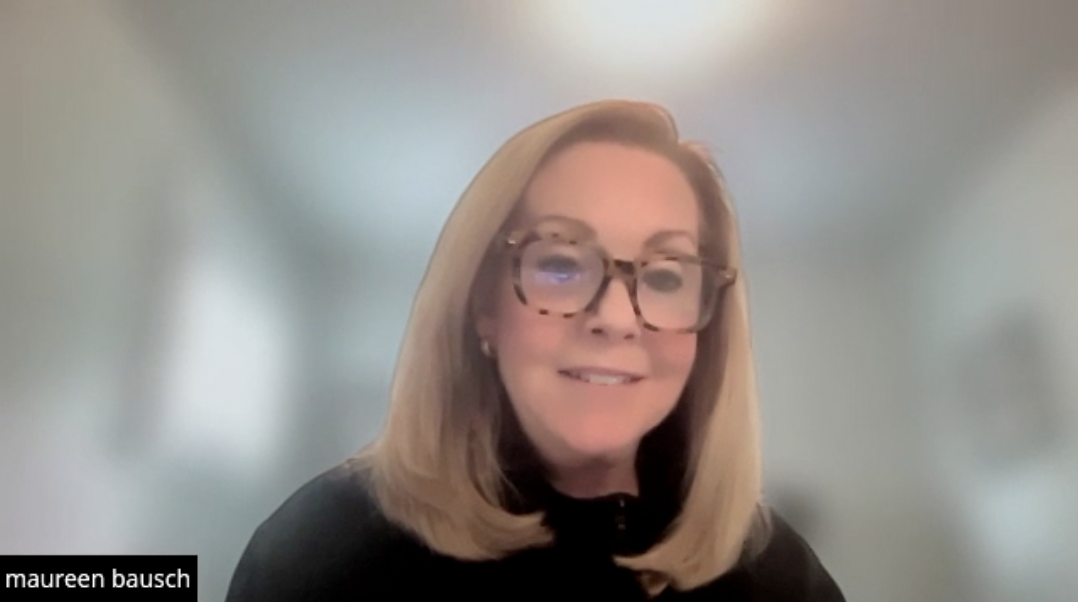
“It is important just for the quality of the game, and to make sure, no pun intended, it’s on an even playing field market to market," she said.
During the planning process, Bausch said she constantly thought about the guest experience.
"What will make people have fun in Minnesota in February?" she said.
Bausch said roughly 30 committees and 10,000 volunteers worked together to pull off the large sporting event. The committees were made up of experts in fields from security to hospitality.
“It is more than the game," she said. "It really is a week of activities.”
Idina Menzel, who voiced Elsa in Disney's "Frozen," sang "Let It Go" on an ice stage in downtown Minneapolis; Nicollet Mall was turned into a snow festival with a ski hill and warming huts; experts performed snowmobile tricks; and fans ziplined across the frozen Mississippi River.
“You really want to use the platform the NFL gives you to promote your city, all parts of it," Bausch said.
Situated on a state line, Kansas City can learn from Super Bowl LII, which was hosted primarily across three cities: Minneapolis, St. Paul and Bloomington.

The Philadelphia Eagles, the New England Patriots and roughly 5,000 media members stayed in Bloomington, which is located about 10 miles south of downtown Minneapolis. Both security and traffic centers also had their headquarters there.
“Actually, crime went down during the Super Bowl," Bausch said.
Bausch said airports are key to the success of the event.
There were 1,630 private jet landings at Minneapolis–St. Paul regional airports during the Super Bowl event, according to the Minnesota Super Bowl Host Committee.
Jackson Overstreet, public information officer for Kansas City International Airport, said the airport traffic during the 2026 FIFA World Cup was the perfect practice for an event like the Super Bowl.
He said KCI saw 20,000 outbound passengers several times after World Cup matches in Kansas City, and on July 12 — the day after Kansas City Stadium hosted a quarterfinal — KCI saw its busiest outbound day of all time at slightly over 24,000 passengers.
Overstreet said he expects a Super Bowl would create similar traffic.
Bausch said the Minneapolis area is still feeling the positive impacts from Super Bowl LII.
There was $450 million in gross local spending tied to the event, per the Minnesota Super Bowl Host Committee.
Through the Minnesota Super Bowl LII Host Committee Legacy Fund, $5.5 million was invested in children and families across the state.
“I met with the seven markets that hosted a previous Super Bowl to me," Bausch said. "Sometimes I would just fly there and pick their brains, and they were really helpful."
—