



KANSAS CITY, Mo. — KSHB 41 reporter Charlie Keegan covers politics in Kansas, Missouri and at the local level. Share your story idea with Charlie.
—
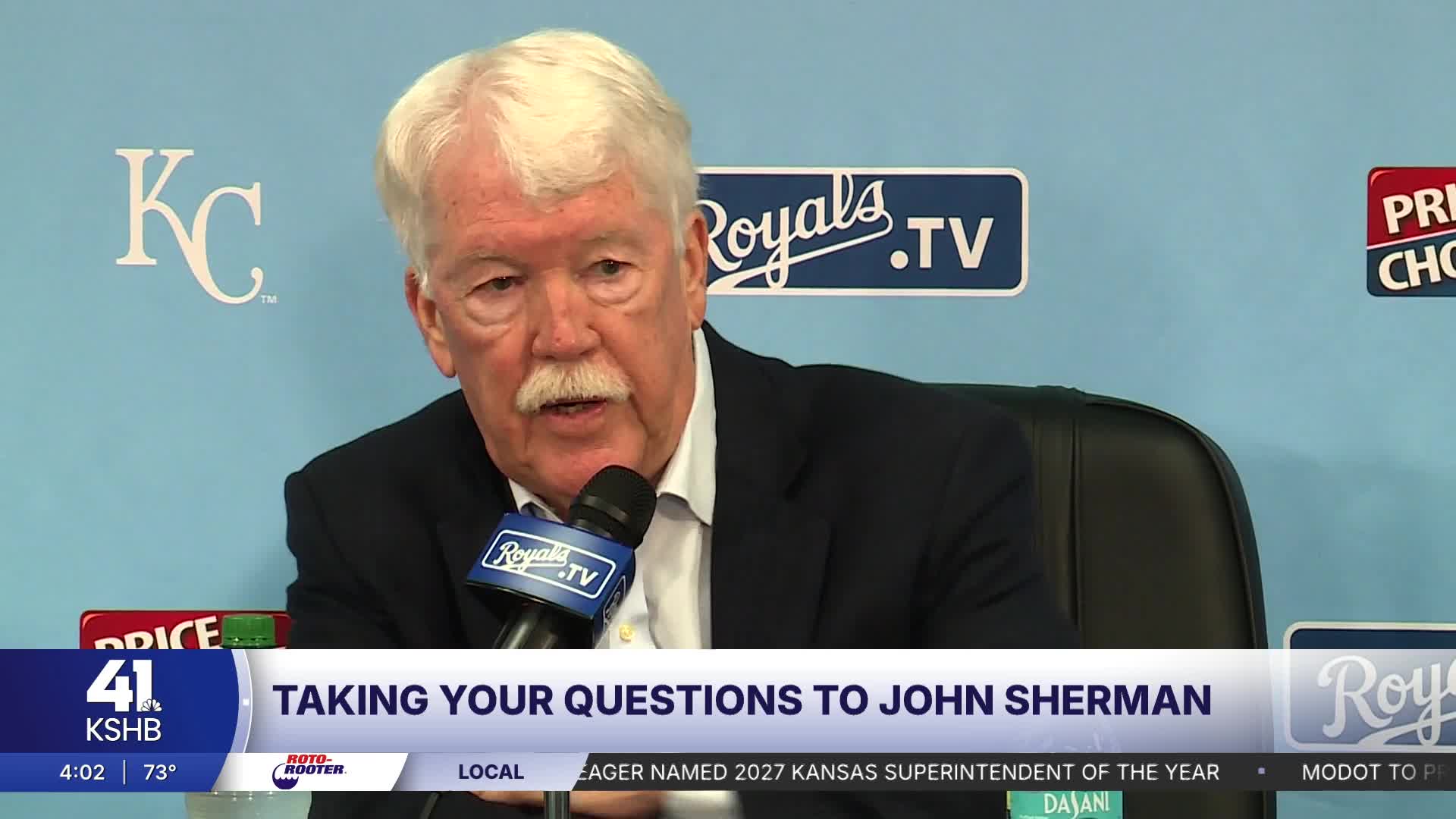
Royals Chairman and CEO John Sherman called Kansas City’s approach toward helping fund a new stadium for the baseball team downtown “conservative” and is confident the project will create enough tax revenue to make the investment worthwhile.
“I think the city’s being more conservative in their debt service coverage ratios and things like that relative to lessons learned at Power and Light,” Sherman said during an end-of-season press conference Monday.
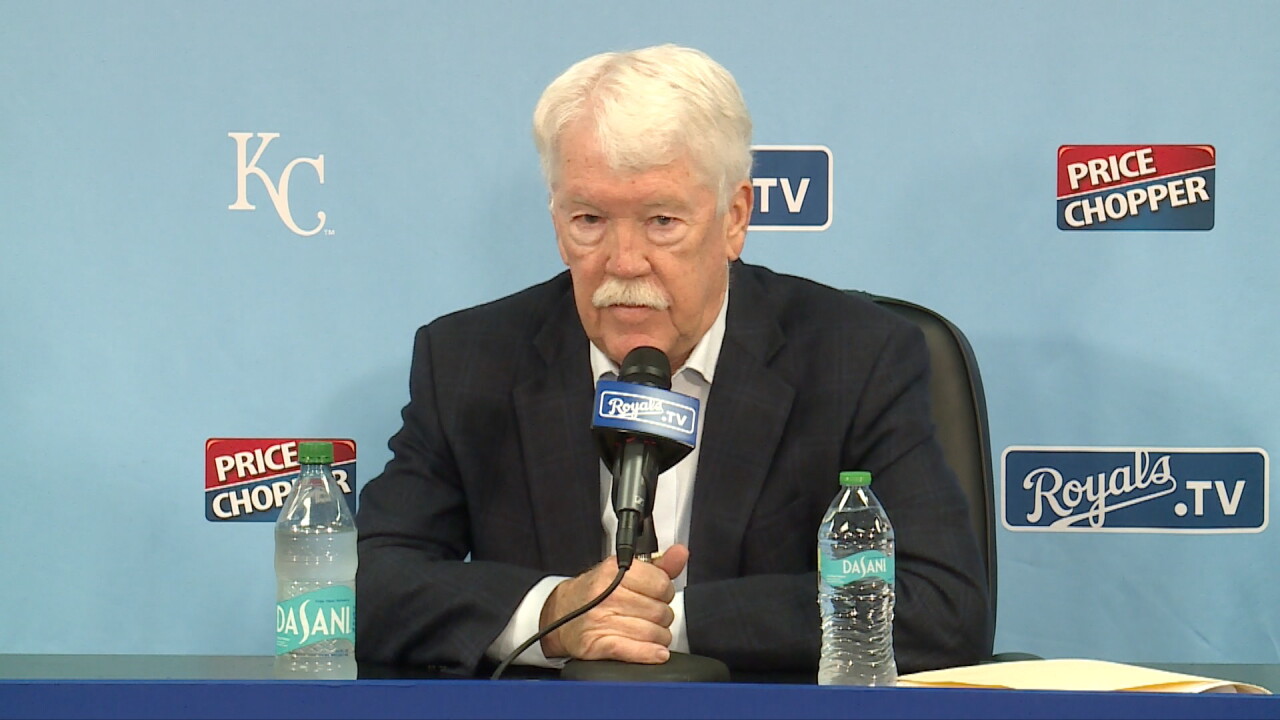
His statement come after the city published a new economic development report Thursday.
The report predicts the stadium will help create $1.4 billion in tax revenue throughout a 4 square mile “stadium impact area” that currently has 1,700 businesses.
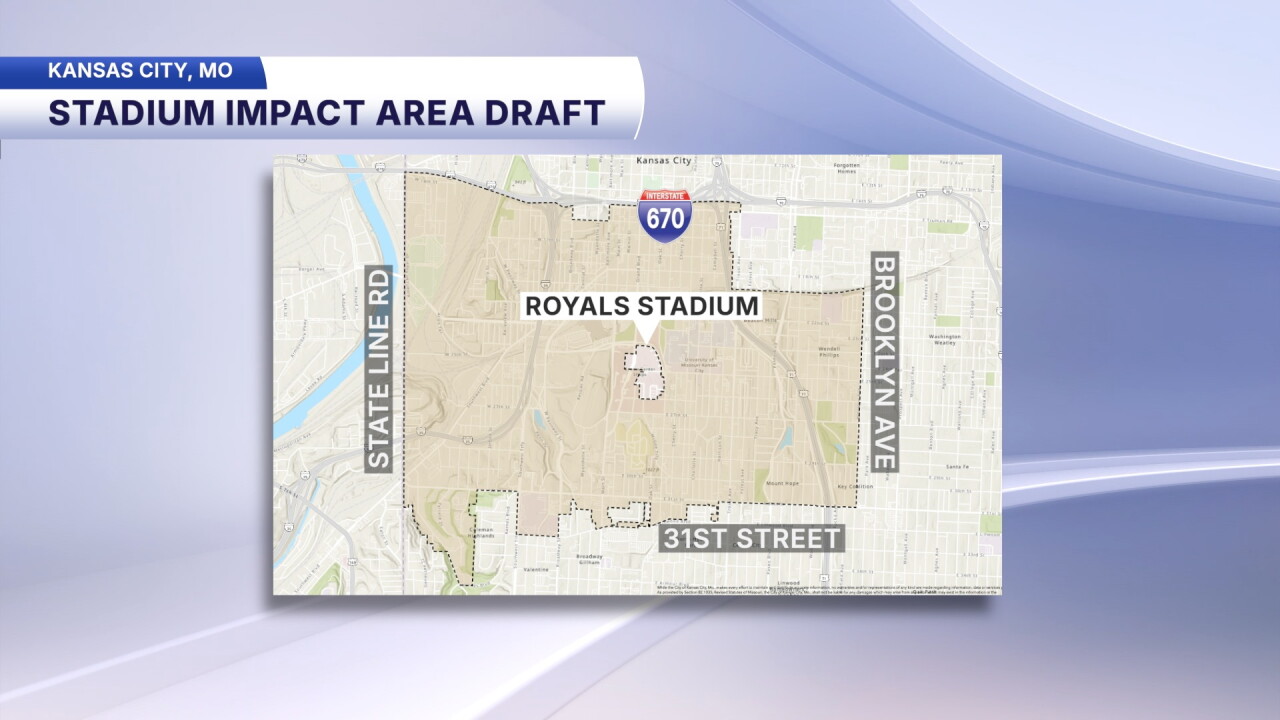
The city will redirect some of that tax revenue toward paying off bonds to cover its portion of the stadium project.
Kansas City leaders committed to funding $600 million of the stadium. The state and Royals are also pitching in on the $1.9 billion project that includes a new team headquarters and infrastructure improvements around the area of 25th Street and Gillham Road.
The Royals hope to open their new stadium there in time for the 2030 season.
A committee of city council members will review the economic development report and finer details of the financing plan during a public hearing Tuesday at 10:30 a.m. at city hall.
Penny, a KSHB 41 News viewer, asked why the Royals are so confident the new stadium will spur economic activity when there’s not much surrounding Kauffman Stadium.
“It’s a combination of a downtown ballpark and a neighborhood ballpark. People will get there by streetcar, train, bikes, walking and buses,” Sherman explained.
He said attendance will increase at the new stadium partially because it will be easier to get to. He believes that will lead to more economic activity.
Plus the team has pledged to invest at least $1 billion in development surrounding the new stadium site.
“There are no new taxes, it’s financed out of growth,” Sherman explained. “This project is transformational for fans, players and community. Every dollar of public investment is matched by $3 of private investment.”
Fans are still split on the idea of publicly financing a stadium.
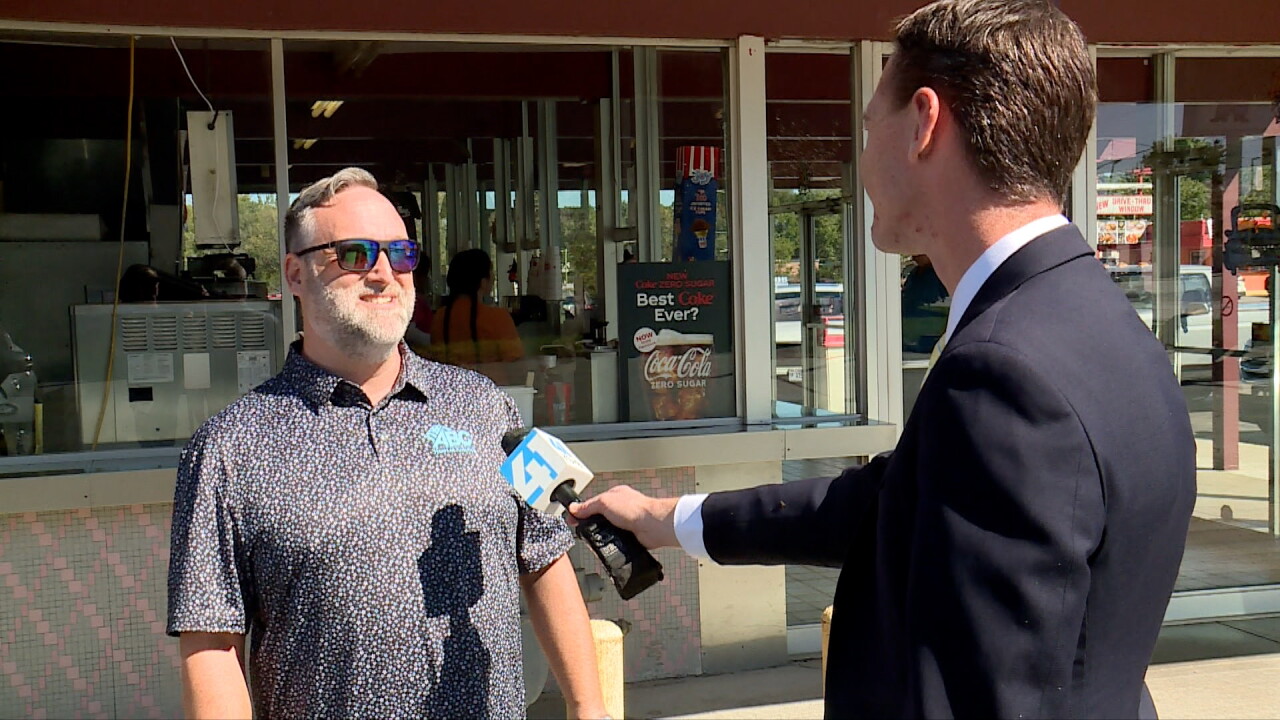
Jon Wilson likes the idea and looks forward to the new stadium.
“I’m used to paying for it,” Wilson said, referring to a current sales tax expiring in 2031 that supports the Truman Sports Complex. “I think it’s an important piece of what Kansas City has to offer. Having a Major League Baseball team here in town does resonate with who we are: we are a sports town.”
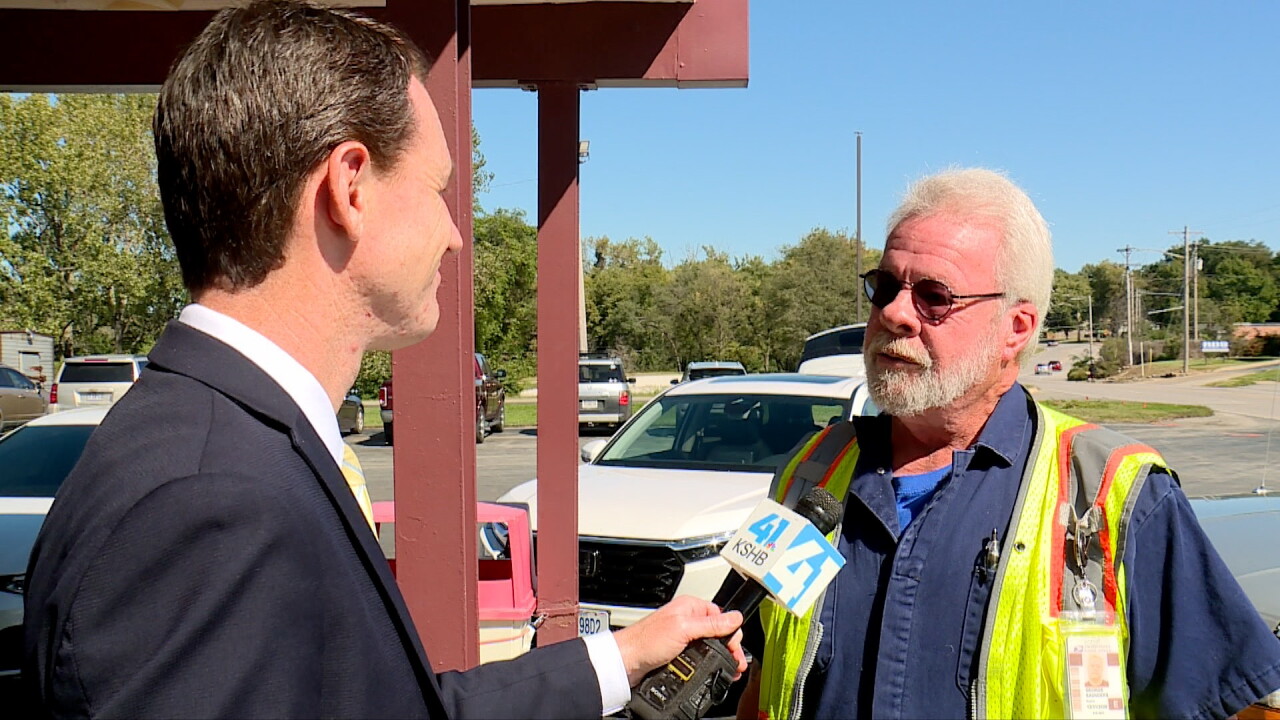
Buddy Saunders sees it differently. He thinks moving the stadium will move the economic activity away from the east side of Kansas City.
“I’m tired of funding new stadiums for multi-millionaires that aren’t putting as much into the infrastructure around these complexes when they promise they will,” he said.
The city council must also rezone the land around Crown Center to make way for the stadium. It plans to take up that ordinance this week.
—
![092126_KSHB_WX_480x360[61].jpg](https://ewscripps.brightspotcdn.com/dims4/default/79e7fad/2147483647/strip/true/crop/480x360+0+0/resize/960x720!/format/webp/quality/90/?url=http%3A%2F%2Fewscripps-brightspot.s3.amazonaws.com%2F6f%2F6d%2Fa3758caf4c0984b0ecf100f620d1%2F092126-kshb-wx-480x36061.jpg)