

KANSAS CITY, Mo. — KSHB 41 reporter Fernanda Silva covers stories in the Northland, including Liberty. She also focuses on issues surrounding immigration. Share your story idea with Fernanda.
—
Kansas City Chiefs tight end Noah Gray and KSHB 41 reporter Fernanda Silva have more in common than a love of football — both live with Type 1 diabetes.
Both were diagnosed as teenagers. Gray was 19 when his diagnosis changed everything for him.
"I got done my freshman football season at Duke," Gray said. "I started experiencing symptoms that all type ones experienced when they're first diagnosed. Extremely thirsty, I had acne all over my body, using the restroom very frequently."
WATCH | Chiefs' Noah Gray on living with Type 1 diabetes and inspiring kids
He ended up in the hospital for several days to get his blood sugar under control.
"It changed my life forever after I found out about it," Gray said.
When asked if he was scared, Gray said he knew immediately that his life was going to look different.
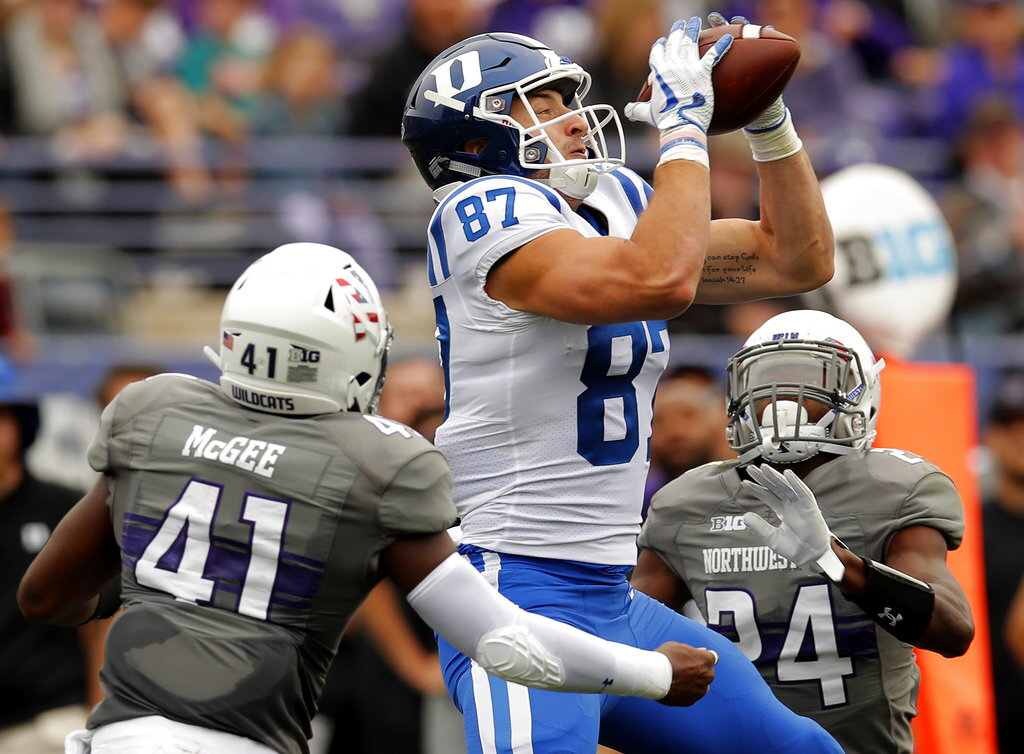
"I wasn't scared, but I was definitely, like my life had been changed a lot and I knew my life was going to be changed a lot," Gray said.
Still, he never doubted his future in football.
"I knew that regardless of the diagnosis that I was always going to play football," Gray said.
Managing the disease means relying on technology that delivers insulin throughout the day and a sensor that monitors his blood sugar levels.
"Having a continuous glucose monitor is super huge," Gray said. "The pump is a game changer and I believe it helps out your insulin levels a lot."
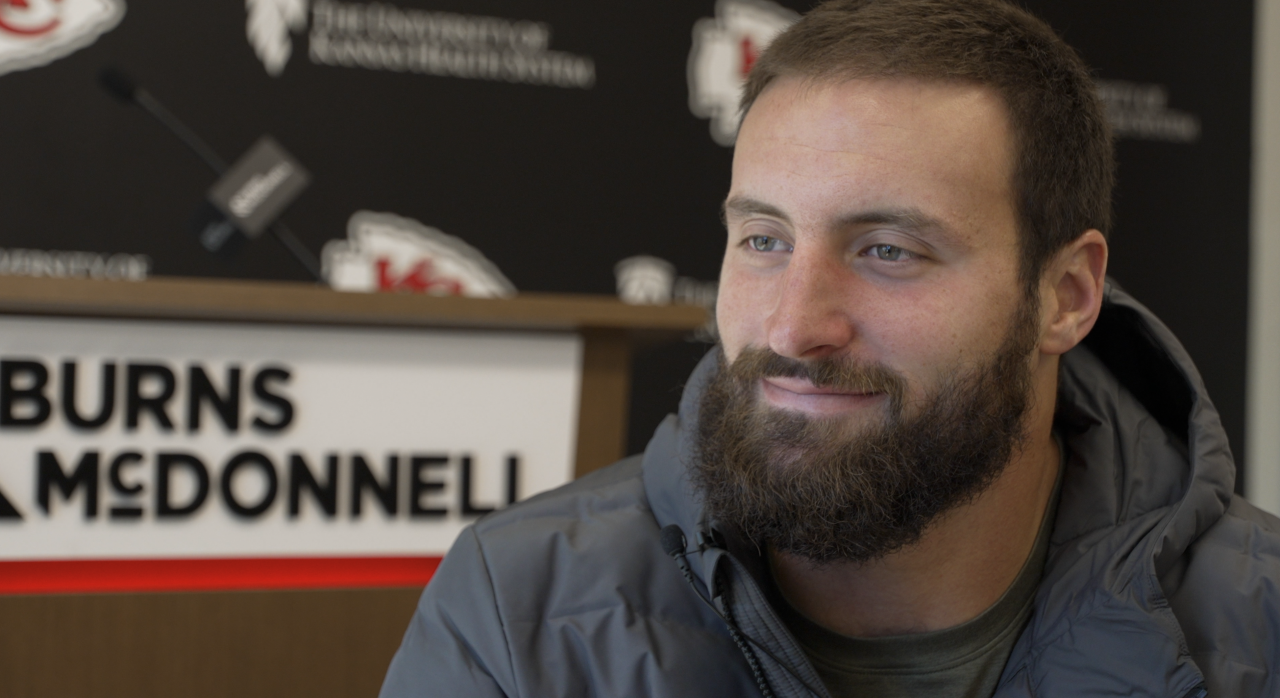
But the technology looks different on game days. Gray can't have a phone on him, which means he goes back to insulin shots and finger pricks.
"My biggest rule of thumb when managing it while playing is consistency," Gray said.
That consistency extends to what he eats before he takes the field.
I asked some Kansas City "diabuddies" to send Gray their questions.
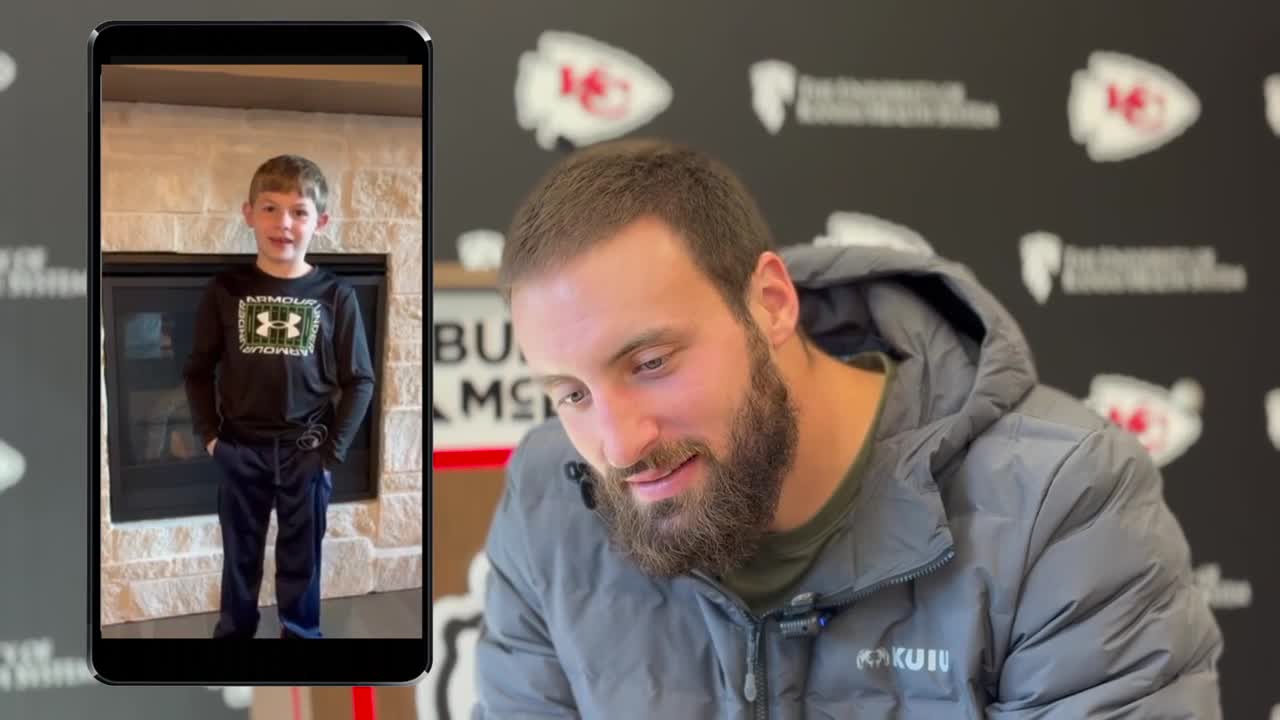
A young fan named Jack wanted to know how he handles diabetes in the middle of a game.
WATCH | Gray answers kids' questions
"Handling diabetes during the game can get tough," Gray said.
He keeps snacks on the sideline in case his blood sugar drops — and he has a favorite.
"Oh, gummies. Yeah, any type of gummy," Gray said.
For Gray, being on the field is about more than the game. He wants to be an inspiration for kids living with Type 1.
"I want to be an inspiration for them just so that they can see like, 'hey, he's doing it at a very high level'," Gray said. "Whatever I want to do in life, I can do it at a high level."
He also hopes to reassure parents.
"I know that the parents are trying to do everything they can for their kids and sometimes it may seem a little overwhelming," Gray said. "Hopefully it's kind of a calming voice to them, like, 'hey, he's doing it'."
Gray said seeing fans who share his condition keeps him motivated.
"It is motivating to me and it makes me happy when I'm out on the field for warm-ups, or after a game, or sometimes in the middle of a game — you just see like a type one sign you know and it's got my number on it," Gray said.
Ultimately, he views his diagnosis as a blessing.
"If you have goals in your life and you have dreams, you can achieve them. It doesn't matter that you got type 1. It's going to be hard, and it is harder, but that's the reality of it," Gray said.
"I thank the Lord every day that He gave me Type 1 because I've been able to meet some amazing people."
This story was reported on-air by a journalist and has been converted to this platform with the assistance of AI. Our editorial team verifies all reporting on all platforms for fairness and accuracy.
—