

KANSAS CITY, Mo. — KSHB 41 reporter Alyssa Jackson is covering a month-long series for Breast Cancer Awareness Month. She was diagnosed last year at 26 years old. Share your story idea with Alyssa.
Read more coverage at Under the Ribbon.
—
Breast cancer is one of the most supported and one of the most expensive illnesses to treat in the United States.
The high costs of care can be described as financial toxicity.
"I have met my out-of-pocket expenses every year since. It doesn’t stop," said Julie Rudman, a breast cancer survivor and founder of The Breast Cancer Club.
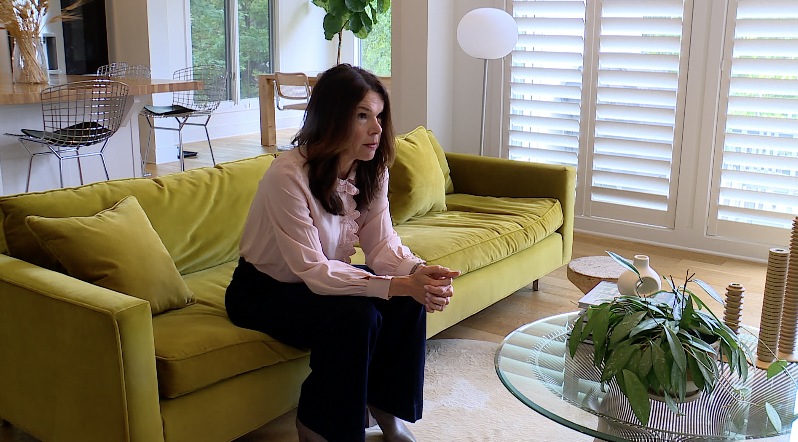
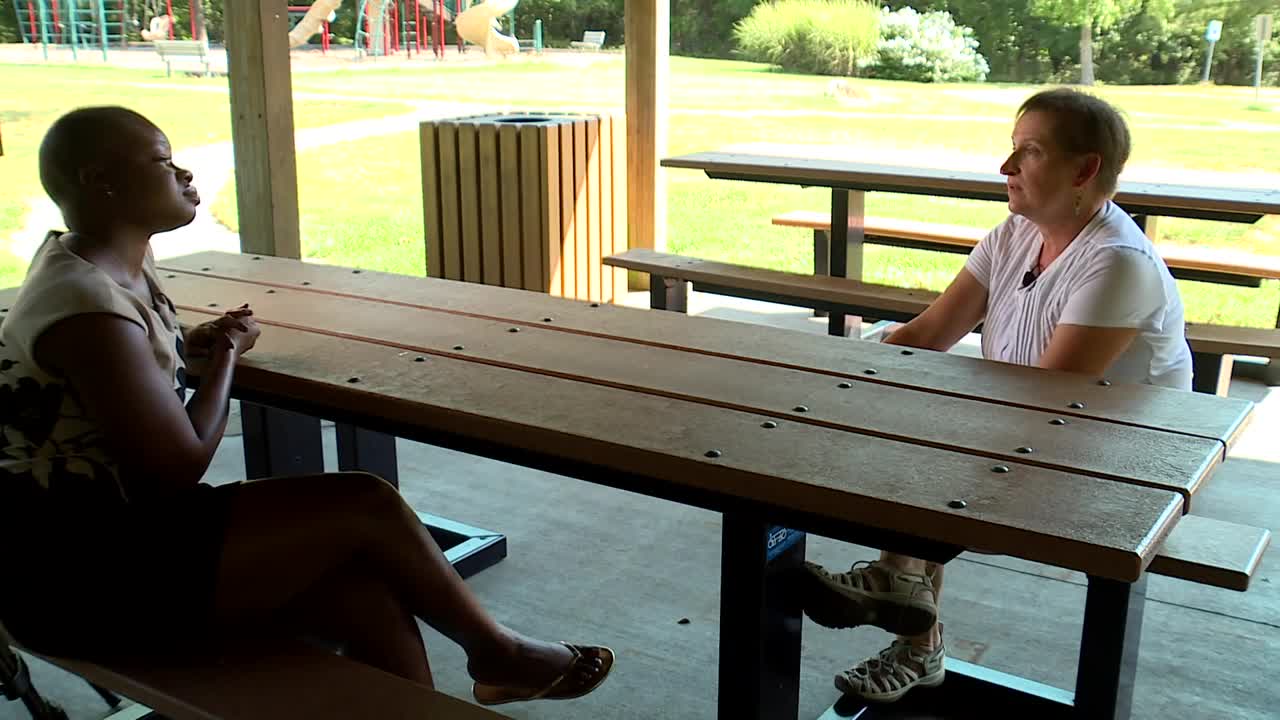
Kim Jones, a stage 3 breast cancer survivor, had most of her costs covered through Medicaid. Still, she had one reaction to this topic.
"Phew ... those numbers are so large," she said.

Kansas State Rep. Linda Featherston has read hundreds of bills, but none compared to the bills she got in the mail.
“I tried to keep track of the bills, and I feel like they were negative energy, so I threw them all away. Envelope after envelope after envelope that just keeps coming for weeks ... months,” Featherston said.
Featherston was diagnosed with breast cancer in 2022.
Now, she's backing Kansas Senate Bill 409. The legislation would require insurance companies to cover all out-of-pocket costs after the initial mammogram if a patient is called back for follow-up breast imaging.
Missouri passed a similar law in 2023.
"We'll have 2,600 women diagnosed with breast cancer in Kansas this year above the national average, and 400 will die," Featherston said. "How many of those women would have been saved if it had been caught earlier? We know early detection saves lives, and it saves money."
Patients are often called back for additional mammograms, MRIs, ultrasounds and biopsies to diagnose breast cancer.
According to the American Cancer Society, diagnosing breast cancer earlier would save more than $11,000 per patient.
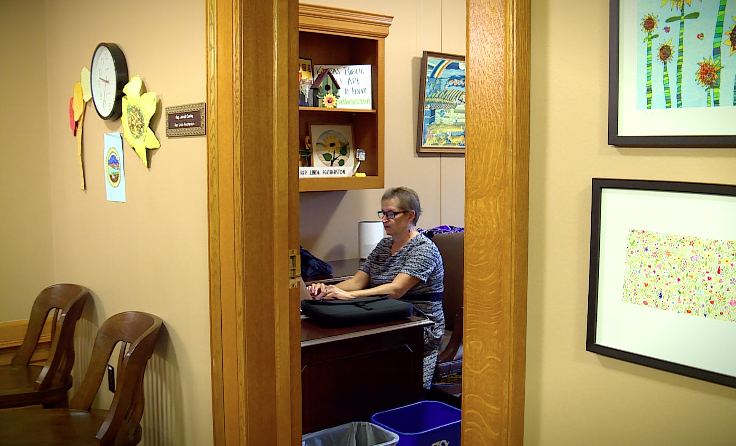
"There are some people who find it hard to afford all those scans. Can you talk about how it added up?" I asked.
"My initial treatment was around Christmas," Featherston said. "What if things were tight and I had little kids? A lot of women would say I'm going to hold off. We have to have Christmas."
Studies by the American Cancer Society estimated 1.1 million women delayed necessary follow-up breast cancer imaging in 2024 due to out-of-pocket costs.
"When you've already spent so much money trying to keep yourself alive, you need to be able to follow up and make sure things are gonna be okay,” Featherston said. "You shouldn't be choosing between your health and being able to pay your bills."
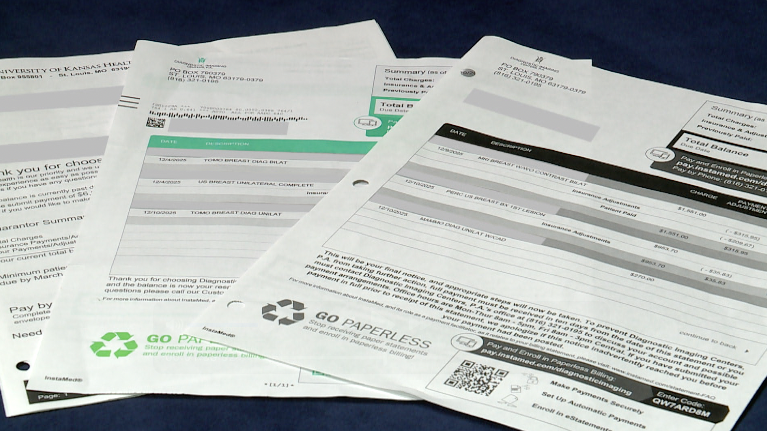
When men and women beat breast cancer, many patients also fight the cost of survival.
"I hear from my colleagues a lot ... 'We're a pro-life state'. I don’t know what’s more pro-life than saving women’s lives," Featherston said.
Members of the U.S. House of Representatives introduced H.R.3037 and S.1500, known as the Access to Breast Cancer Diagnosis (ABCD) Act. The ABCD Act would require private health insurance plans to cover the full cost of diagnostic and supplemental breast imaging.
The bill is currently under review.
—