




KANSAS CITY, Mo. — Echoing an elegance of swing with a touch of waltz, the KC 2 Step emerged in the 1960s and quickly developed into a style uniquely its own.
Emerging during segregation, the dance took shape within Black communities that forged hardship into artistry, creating spaces where music and movement became both refuge and celebration.
“It came from the scraps, and we made it into something glorified,” said De Barker, widely known as the Queen of KC 2 Step.
For more than two decades, Barker has been a driving force behind the preservation and growth of the dance. A pioneer of the KC 2 Step movement, she has invested not only her time but also her personal finances to ensure the tradition thrives.
“I've given away $10,000, $5,000 for 20 years, to my detriment, from my own home,” Barker said. “Didn't buy a pair of shoes because I had to make sure the 2 Step contest went up.”

Barker hosts the annual Step Off competition, where local couples compete for multi-thousand-dollar cash prizes. The event has become a cornerstone of the KC 2 Step community, drawing seasoned dancers and newcomers alike.
Her influence extends well beyond the stage. Barker has committed herself to mentoring the next generation of instructors, ensuring the dance’s survival through careful guidance.
Among those carrying the torch is Stanley Taylor, a 2 Step instructor and event planner at Culture X, known as the “Home of the 2 Step.”

“Shout out to De Barker for giving us a smooth hand off as far as passing the torch to the next generation,” Taylor said.
Taylor now channels Barker’s teachings into his own classes, emphasizing the foundation of rhythm and connection over flashy footwork.
“When I'm teaching other people about how to step, people want to jump out and just do the moves,” Taylor said. “It’s like, first, don’t forget about the music. Don’t forget about the beat. Don’t forget about the rhythm.”

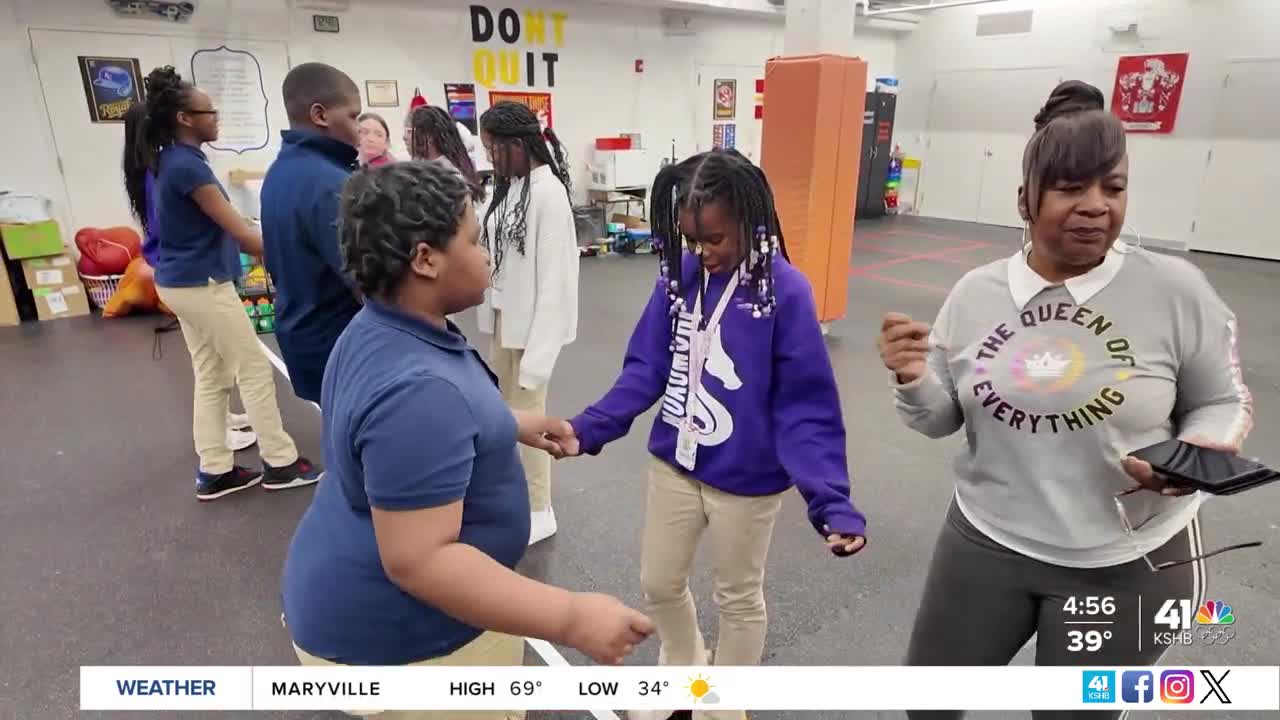
While Taylor focuses primarily on adult students at Culture X, Barker has shifted her attention to local schools. There, she teaches children not only how to master the steps but also why the dance matters. She bridges a generational gap by preserving a living piece of Kansas City’s cultural identity.
“If we don't pass it on, it's going to die,” Barker said. “It's a culture, it's a way of life, and it’s only done here.”