

KANSAS CITY, Kan. — KSHB 41 anchor/reporter JuYeon Kim covers agricultural issues and the fentanyl crisis. Share your story idea with JuYeon.
—
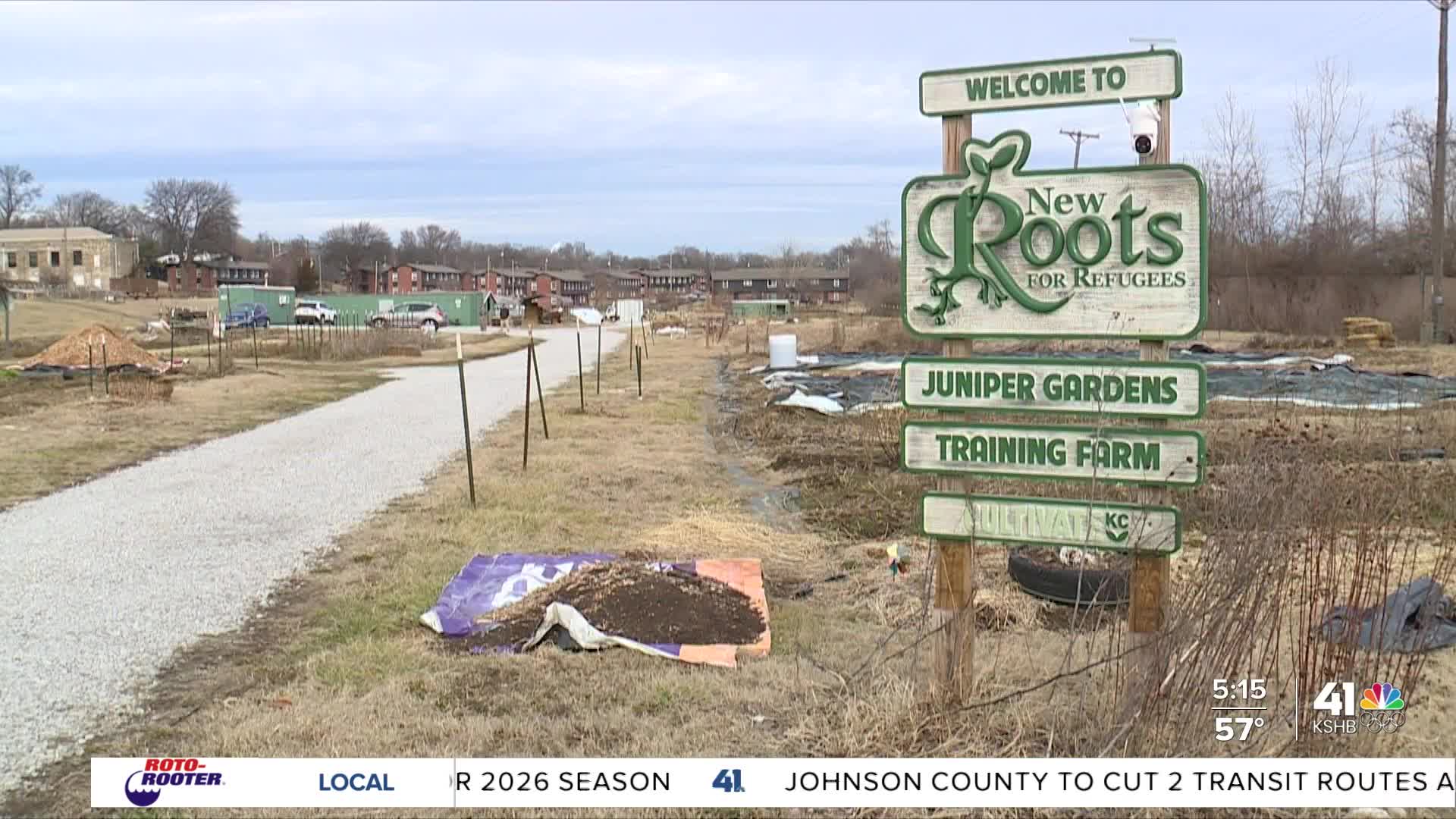
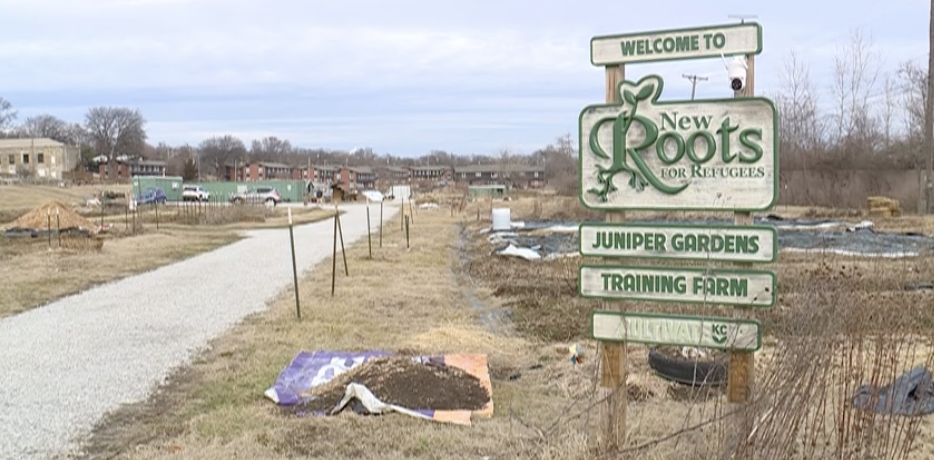
A farming program called New Roots at the Juniper Gardens Training Farm in Kansas City, Kansas, is helping refugees plant new roots in more ways than one.
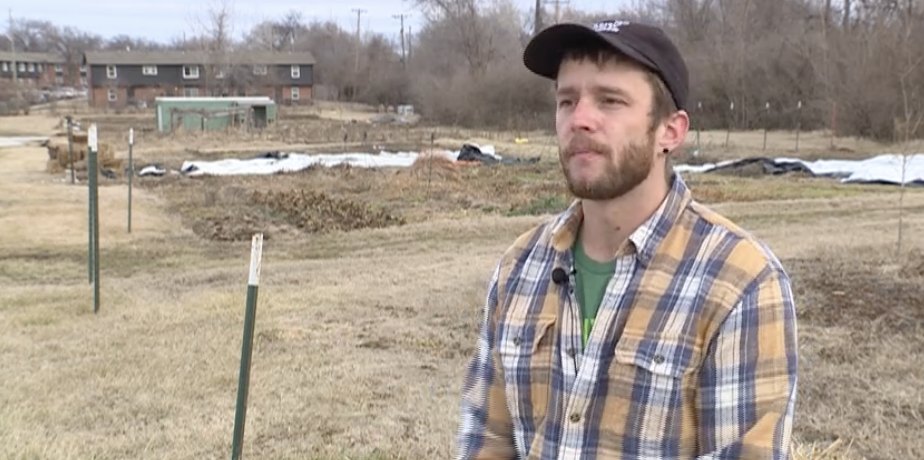
“Juniper Gardens becomes sort of like this really beautiful third space hub for a lot of refugee communities,” said Ben Carpenter, program manager at Juniper Gardens Training Farm. "We encourage folks to grow food that reminds them of home.”
Starting over in a brand-new country can be a scary journey for refugees, especially if they do not speak the language. Access to resources like land, capital, education and network is difficult.
New Roots was born 18 years ago when a small group of Bantu women, who resettled in Missouri through Catholic Charities, asked to start a gardening club. It was a way for them to find community and a sense of familiarity that reminded them of their agricultural home country.
The program was so successful in its first year that the women grew enough produce to feed their families and also sell at markets.
Today, refugee farmers sell their produce in three ways: community supported agriculture (CSA), farmers markets and wholesale to local restaurants. Between 125-150 community members subscribe to the New Roots CSA program.
“The leadership that gets developed here is tremendous,” Carpenter said. “The farmers can keep all the money that they make at the markets or CSA or through wholesale, and reinvest that into their businesses.”
The program is designed to break down systemic barriers like language and lack of access to capital, so along with market support, farmers also receive English training through Catholic Charities.

“What ends up happening is that you’ll have some people in the community who are providing services being patronizing or even taking advantage of them,” Carpenter said. “We work with a pretty extensive network of interpreters and translators to help get people access to those services that are otherwise not accessible.”
But perhaps Carpenter’s favorite part of the program is seeing the healing and growth that takes place in refugees.

He says University of Kansas students studying social work interviewed farmers in the New Roots program. It was consistently reported across the board that they felt a newfound agency over their businesses, a sense of feeling physically healthier, and also a sense of love and belonging that comes with being part of a community.
Farmer Asende Assa echoed the sentiment. Her interview was translated by Mitima Thomas.

“When I came here, I see that it is different. Because people in my home country are living together, and they move together when they go to the river, different activities — they do everything together," Asende said. "But here, it looks someone is alone. I like this program because I met with different people. Maybe I should not meet with them in my life. And we cooperate with them, we are living together with no problem.”
Over the years, the program grew to be strong and impactful. But it brought its own set of challenges.
Long-time partner Catholic Charities had to pull out this past October due to federal budget cuts. And since then, New Roots has been working hard to find alternative ways to fill a gap in social services, business and marketing expertise.
The U.S. Department of Agriculture’s funding freezes last year also set them back and forced New Roots staff to look for private funding. It is important these grants come through yearly because it allows the staff to provide land, seeds, water and machinery to refugee farmers at zero to minimal cost.
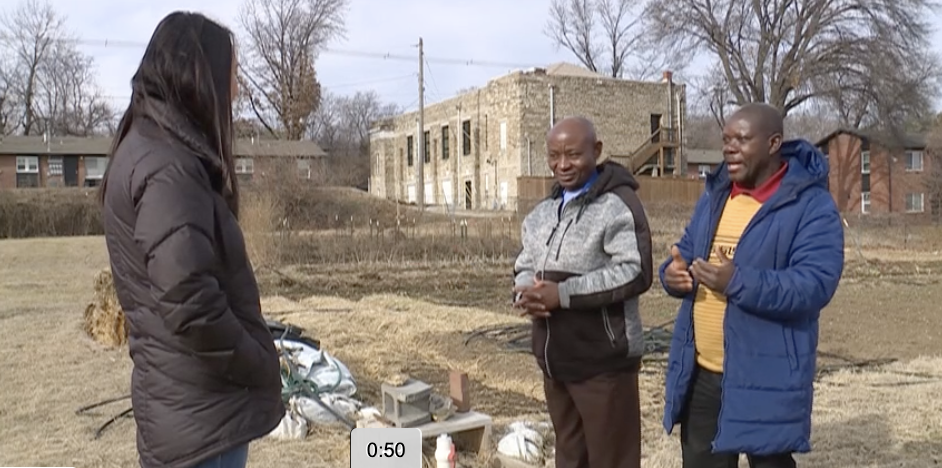
Farmers Apuchu Mwenebyake's interview was also translated by Mitima Thomas.
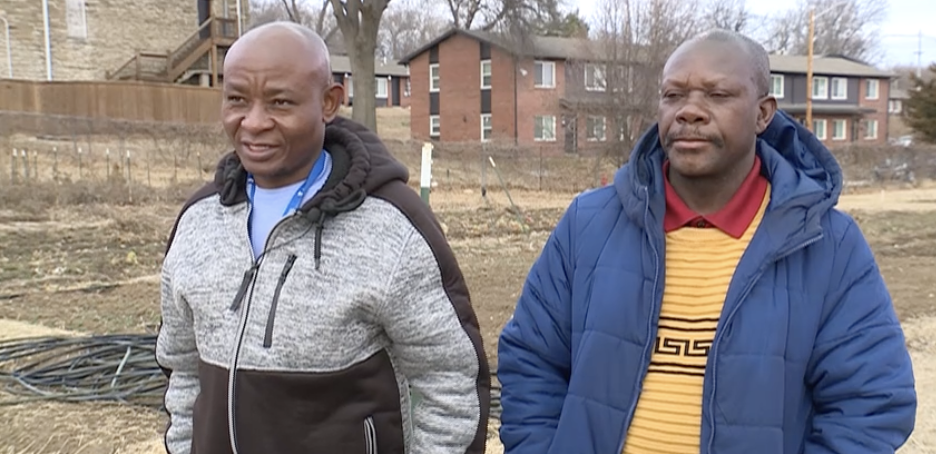
“In the refugee camp, life is very hard. But when we moved to here, we saw life is good,” Mwenebyake said. “I was happy to meet with different people, different nationalities. They helped me to how to make a garden.”
Mwenebyake was a refugee in Tanzania after fleeing the Democratic Republic of the Congo. He was a farmer by trade in his home country. He finally settled in Missouri in 2018, and that is when true healing began at Juniper Gardens Training Farm.
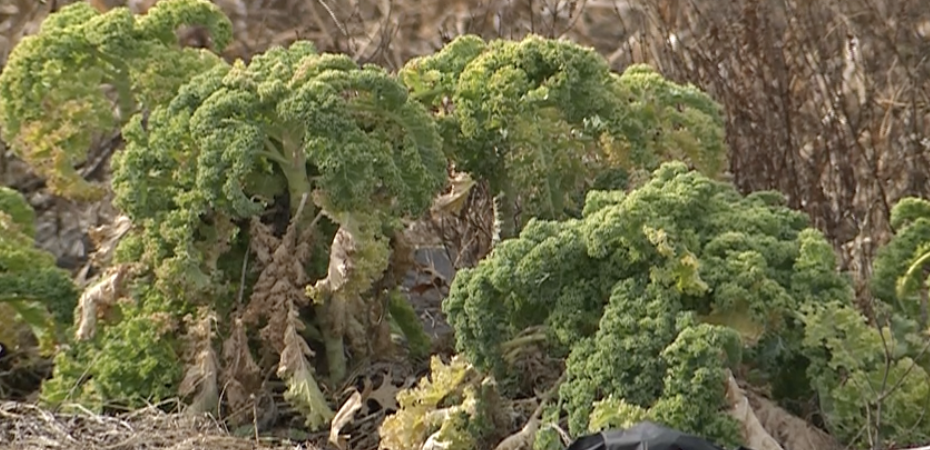
Of all the things he can grow, he loves to plant kale — a new vegetable he learned about after moving to the U.S. He loves it because it lives through the winter.
He said kale reminds him of himself — full of hope for what is to come.
—