

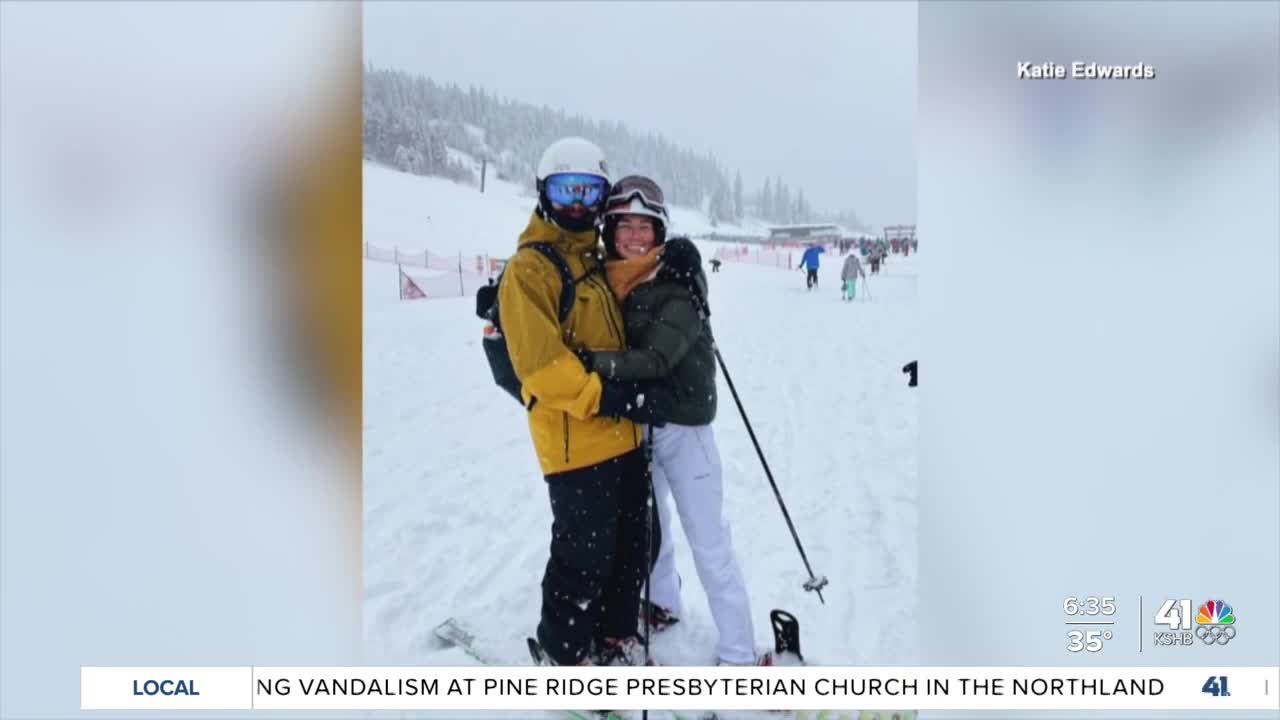


KANSAS CITY, Mo. — Katie Edwards and her husband Will, are pretty active.
"We love to rock climb and ski," Edwards said.
At just 28 years old, Edwards suffered a stroke.
"I was very, very shocked when the doctor came back and said, 'Oh yeah, actually we found two strokes in your brain,'" Edwards said.
After fully recovering, she started experiencing high fevers and extreme nerve pain.

"Like nerve pain in my back so bad that I couldn't walk, and then it would just kind of resolve. Had really bad chest pain and like really fast heart rate, and that would resolve," Edwards said. "Nothing ever seemed super serious so I just kind of gaslit myself into like, 'okay I'm totally fine, I'm not sick,' but it was mentally and physically taxing for sure."
She was later informed she had endocarditis.
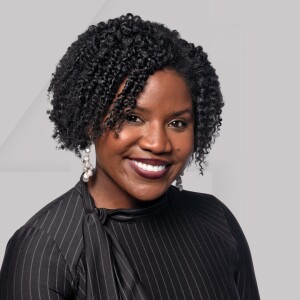
"Think about getting abscess on your arm. Well, it's that kind of infection on the valve in your heart," Cardiothoracic Surgeon and Surgical Co-Director with Saint Luke’s Mid America Heart Institute, Dr. Russ Davis said. "So you got four valves in the heart and anytime you get an infection in the blood, you can get an infection that actually sticks to the valve and becomes an abscess and starts destroying it."
Before meeting Dr. Davis and his team, Edwards said she was told by a different hospital, she'd need a valve replacement and wouldn't be able to have children.
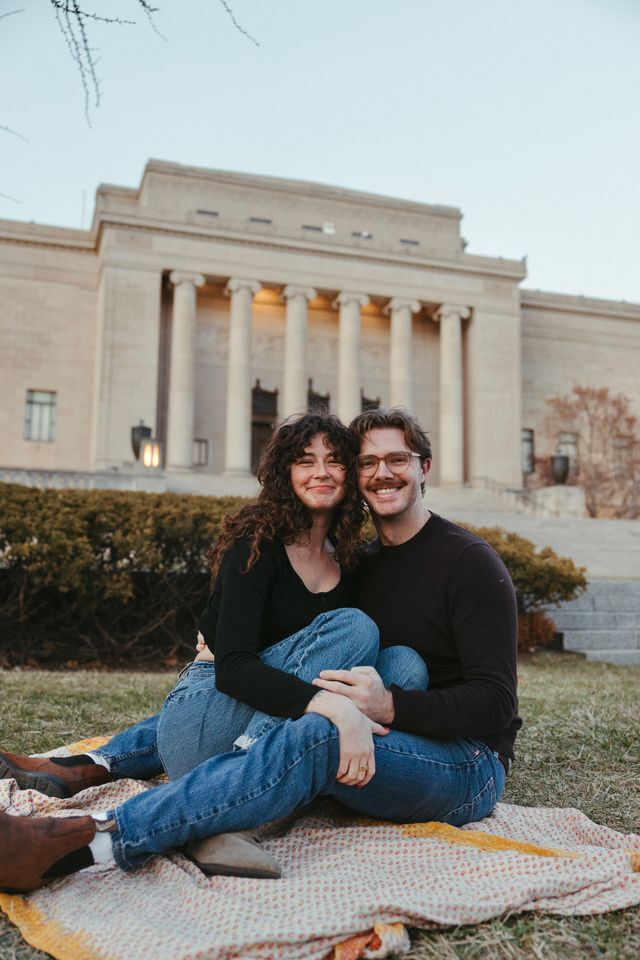
"I had had two miscarriages previously so that is something that Will and I want in our future is kids," Edwards said. "And we had to have a really long conversation both with each other, and then also a ton of different doctors like okay, if this surgery is going the way we think it's going to go, we're not going to be able have against kids, or it's very strongly advised against doing that."
While they received this information from a different hospital, Dr. Davis did explain to me what replacing a valve would look like and how it might impact babies.
"Replacing her valve would either be mechanical or tissue valve. Someone her age, if they get a tissue valve, it might last her five years. It’ll wear out, so that means she’s going to have to have another surgery and another surgery," Dr. Davis said. "Putting a mechanical valve would be ideal for lifespan perspective, not having other surgery, not having other problems. When you have a mechanical valve, you have to be on blood thinner which is called coumadin and warfarin and that can be, has a lot of negative effects on babies."
Edwards later came to Saint Luke’s Mid America Heart Institute and met with Dr. Davis and his team. Instead of replacing the valve, they repaired it.
"You remember the abscess I told you about? So it's not really clear where it begins and ends; there's inflammation and all this swelling. Well that happens on the valve too," Dr. Davis said. "What hers did, essentially just destroyed this whole section of her valve and it left the rest of it in pretty good shape. It was in one section of the valve that I could reconstruct once I got it all out."
Dr. Davis said being able to repair it, he was ecstatic. Edwards was as well about that and also hearing she'd be able to have children someday.
"I would be happy regardless, but just having a bit of loss in the past it just makes me hopeful for even the chance to try again," Edwards said.
And she's already making plans to go rock climbing and skiing with her family.
"I'm putting this heart to good use," she said with a laugh.
She says she's beyond grateful to her support team and hopes others who hear her story, will make sure they listen to what their body is telling them.
"Have a strong support system around you and if you don't, don't be afraid to advocate for yourself," Edwards said.
Dr. Davis shared if you feel cramping, squeezing pressure in your chest, get it checked out and don't forget to monitor your blood pressure on a regular basis.
