




KANSAS CITY, Mo. — KSHB 41 reporter Grant Stephens covers downtown Kansas City, Missouri. He also focuses on stories of consumer interest. Share your story idea with Grant.
—
The Federal Reserve has raised interest rates for the first time in three years, a decision that will likely impact all Americans in one way or another.
The move comes as most households are already feeling the squeeze from high gas and grocery prices.
Inflation tied to global conflict, rising energy prices and tariffs is pushing up costs, and experts say the people who earn the least are feeling it the most.
Ted Rossman, of Money Management International, said the cumulative effect of sustained price increases is what consumers are really struggling with.
"This quarter point, in and of itself, is not a huge deal," Rossman said. "The broader trend, though, the year after year of higher prices, that's a really big deal."
Rossman said the pressure has been building from multiple directions.
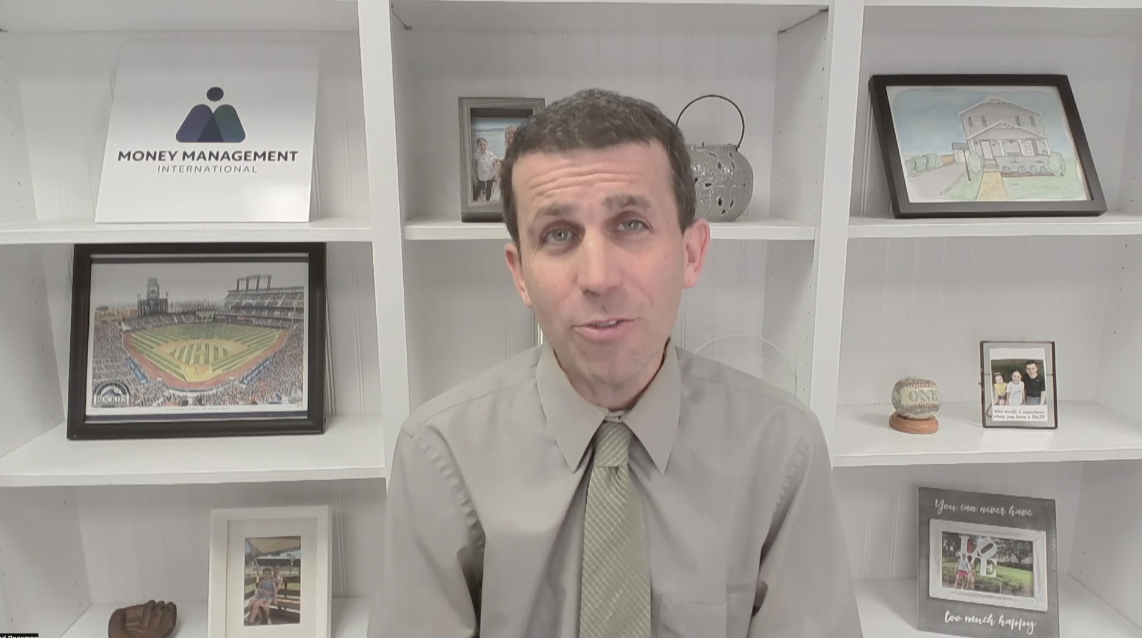
"So it's been a little bit of like death by a thousand cuts with all these things because consumers feel squeezed either way, right?" Rossman said.
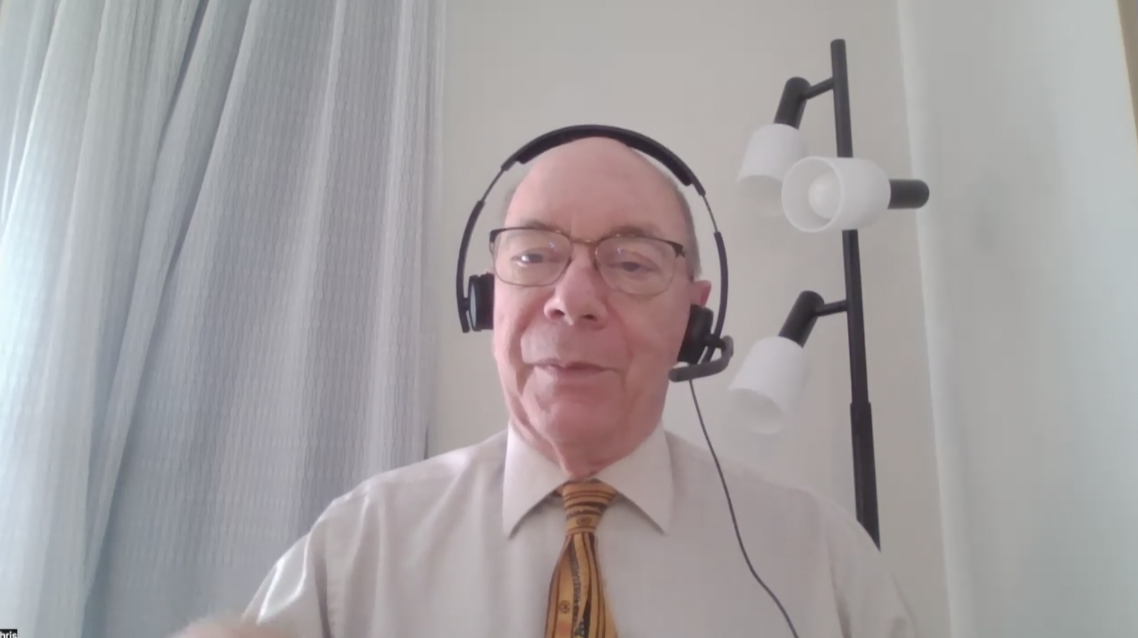
Armada Corporate Intelligence's Chris Kuehl said this wave of inflation is different from past cycles.
"This is a very political situation. We normally see inflation as a growth issue, that you get to a point where demand exceeds supply and everything goes up in price to deal with that demand," Kuehl said. "This time around, it's the Middle East, it's tariffs, it's things that are political in nature."
Rossman believes inflation is back in focus because "inflation has made a resurgence this year."
The latest government inflation data shows grocery prices were flat from July to August — and up 2.2% from a year ago.
Research from Motley Fool Money found the average American family spent $677 a month on groceries in 2025. That's up 31% from 2019, about $160 more each month than before the pandemic.
Even households with steady employment are struggling to keep up. Kuehl described the bind many workers find themselves in.
"Well, the good news is I have a job. The bad news is it doesn't pay enough," Kuehl said. "And so I'm falling behind. Even though I have a job, inflation is eating me alive."
While the Federal Reserve does not directly control mortgage rates, higher borrowing costs are already changing housing market behavior.
"I think consumers are just feeling it all over," said Adrianna Bates, of Choice Mortgage Group.
Bates said the monthly cost of a loan has become the central concern for many buyers.

"Yes, we're concerned about what our loan amount is, but what is that going to cost me per month?" Bates said.
That shift in thinking is narrowing what buyers can realistically afford.
"People aren't qualifying for as much, or they are more sensitive to bumping up their price point in homes that they're looking for," Bates said.
Experts say if the factors driving inflation — including the conflict in the Middle East — ease, rates could follow. But if conditions remain unchanged, another rate hike could be on the horizon.
This story was reported on-air by a journalist and has been converted to this platform with the assistance of AI. Our editorial team verifies all reporting on all platforms for fairness and accuracy.
—

![020626_KSHB_Image_NXA_Web_Standard Cube[88].jpg](https://ewscripps.brightspotcdn.com/dims4/default/0ead409/2147483647/strip/true/crop/300x225+0+13/resize/960x720!/format/webp/quality/90/?url=http%3A%2F%2Fewscripps-brightspot.s3.amazonaws.com%2F8f%2F6c%2Ffad8bd2346c5a4d4ead793017d4a%2F020626-kshb-image-nxa-web-standard-cube88.jpg)