

PLEASANT VALLEY, Mo. — KSHB 41 anchor/reporter JuYeon Kim covers agricultural issues and the fentanyl crisis. Share your story idea with JuYeon.
—
Life-changing research is underway at Kansas State University that could change the way people with celiac disease enjoy their bread.
Dr. Eduard Akhunov is a university distinguished professor of wheat genome diversity and evolution at K-State. The goal of his research team is to identify proteins in wheat that cause allergic reactions in people with celiac disease and use a molecular tool called CRISPR-Cas9 to eliminate them from the plant DNA.
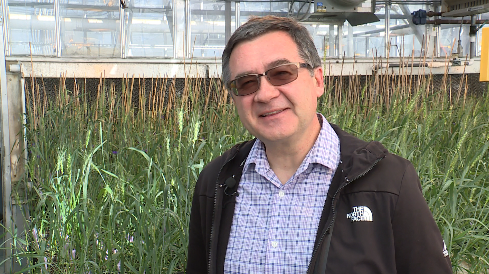
“We are introducing an enzyme into bread wheat that would help us to selectively eliminate certain portions of the DNA that have the toxic epitomes,” Akhunov said.
Bread made out of this wheat variety may not be 100% safe, but it is still a victory for prevention. Akhunov says the development of celiac disease strongly correlates with how much immune-toxic gluten you have consumed.
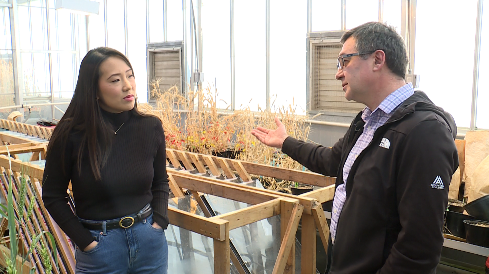
“Considering that wheat provides 20% of protein that is consumed by humans, it’s very important actually to solve this issue," Akhunov said. "Because nearly 1% of human population cannot consume wheat because of the presence of the gluten."
Akhunov believes products made with this wheat variety will be affordable for consumers because the way they're bred, raised and harvested is practically the same as the wheat Americans consume today.
Due to regulatory approvals, clinical trials and market behavior, it will, however, take several years before it hits the grocery aisles.

“In the grocery stores, I think it will take a while," Akhunov said. "Hopefully, it will take another probably four, five years before we’ll have variety that will be released, and then will be available for farmers to grow."
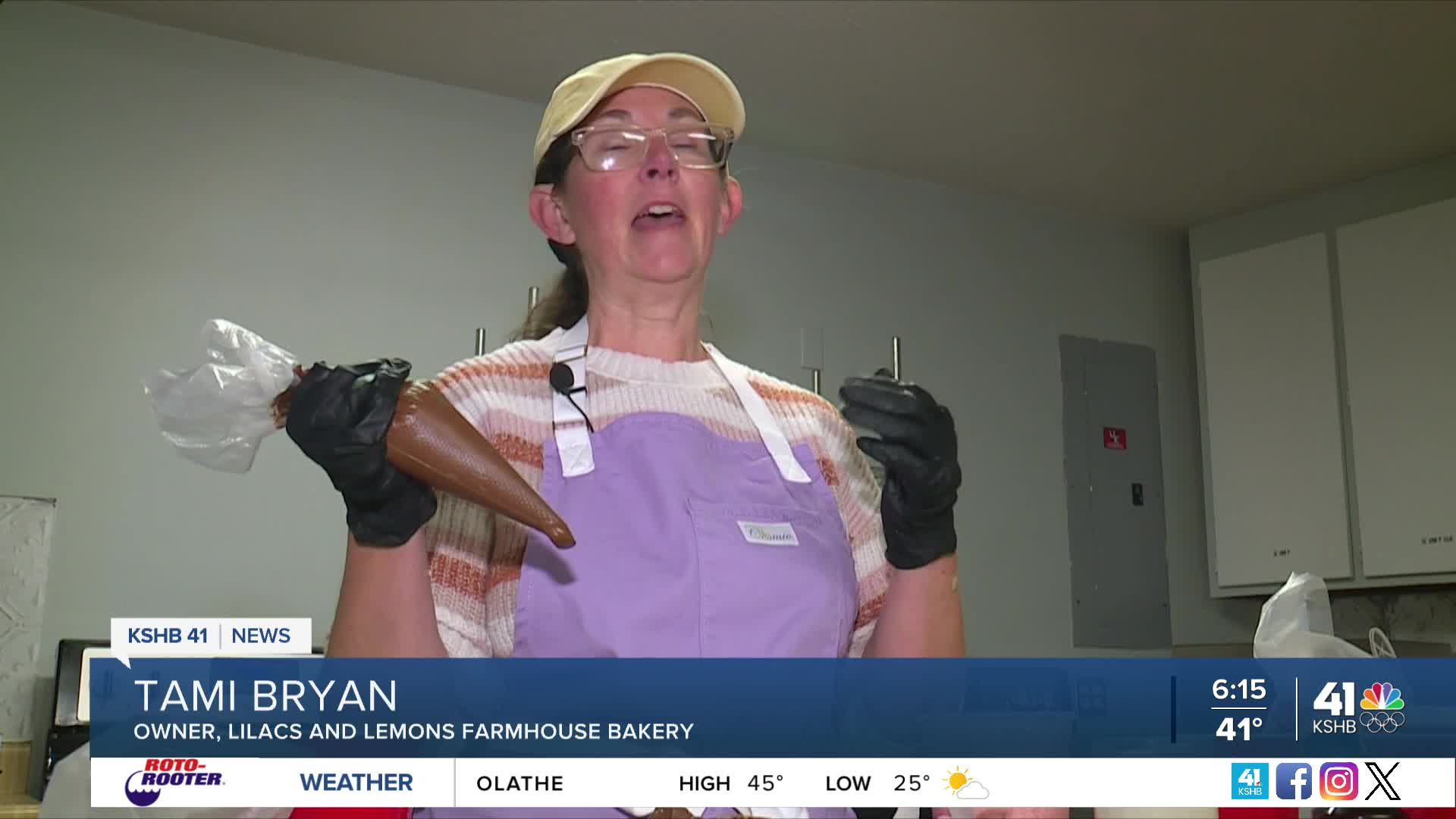
Third-generation celiac Tami Bryan understands research like this will take years to fully adapt. That is why she offers cooking and shopping classes to people newly diagnosed with the disease to ease their anxiety.

“It’s just an overwhelming experience of they don’t think they can eat anything, and it’s going to only be fruits and vegetables for the rest of your life. And that’s not it,” Bryan said.
For seven years, Bryan’s 100% celiac-friendly bakery has been filling a gap in demand. Safety and quality are the main ingredients of all her award-winning pastries at Lilacs and Lemons Farmhouse Bakery.
Her bakery's gluten-free grains are flown in from Italy, and the butters come from France.
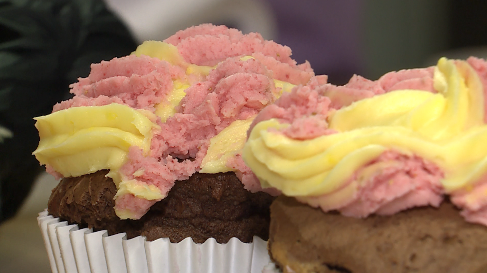
“We are the only ones that are actually dedicated celiac safe," Bryan said. "There’s a lot of gluten-free bakeries, but they also share the same kitchen, the same utensils, the same pans — everything. And that cannot give you a pure celiac-safe."
Bryan is passionate about doing it the right way because celiac disease runs in her family. Her grandparents, siblings, relatives, and all five of her children have had it or have it.
And it is not just bread they have to worry about.
“Shampoos, hairsprays, soaps, clothing, some clothing will have it in it. Drywall, which is an odd one. Cleaners, yeah, makeup. It’s pretty much in everything,” Bryan said. “When I get glutenized, I break out in hives. It affects my Crohn’s so bad that I’m usually in the hospital for at least a week. They have to give me pain meds — pretty much put me to sleep.”

But safety does not come without cost. Bryan pays $138 for four pounds of imported butter and $400 for 25 pounds of imported gluten-free grains. It is a struggle that has only been made worse by international tariffs.
Still, it is extra money and hours Bryan is willing to spend, if it means her family and customers with celiac disease can savor a cupcake with peace of mind. If research today can promise a better tomorrow, it is a sacrifice she is willing to make.
“To be able to just eat something normal, to go to a restaurant and not have to worry about it, I think that would be amazing for so many people around the world,” Bryan said.
—