

KANSAS CITY, Mo. — KSHB 41 anchor/reporter JuYeon Kim covers agricultural issues and the fentanyl crisis. Share your story idea with JuYeon.
—
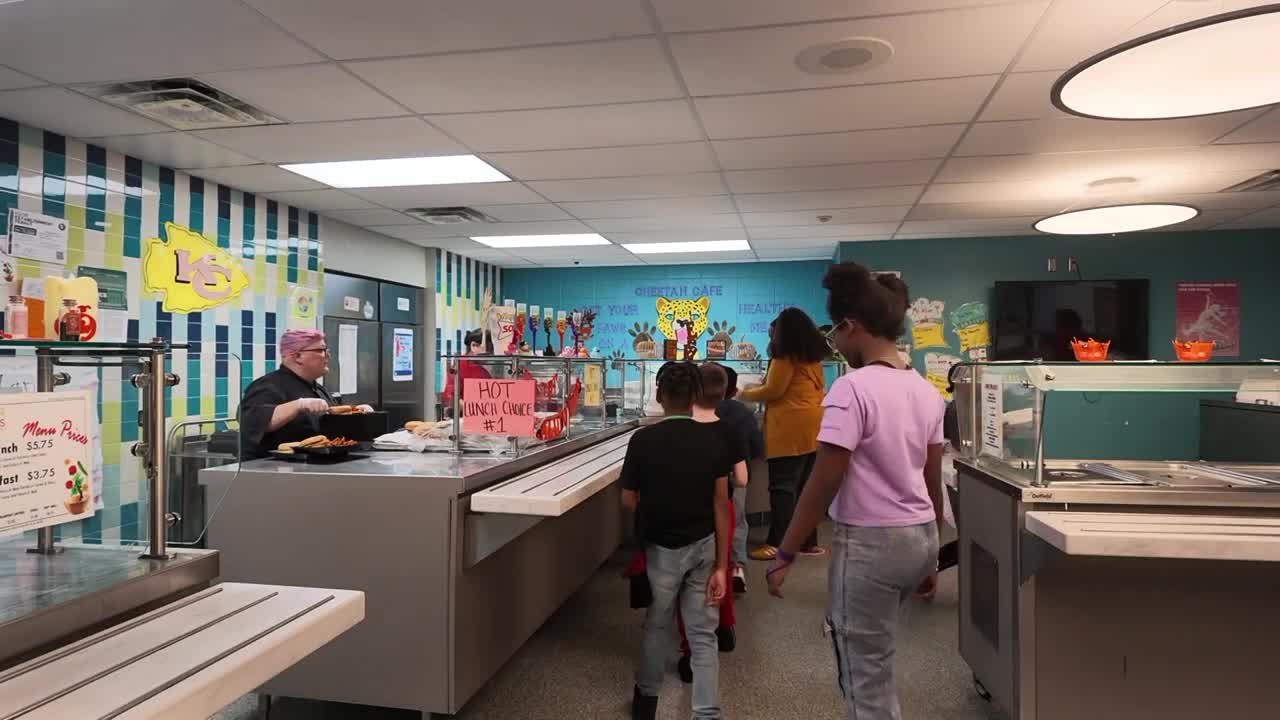
The Hickman Mills School District is raising awareness of the importance of school nutrition and food access as uncertainty grows around funding for the Supplemental Nutrition Assistance Program and, consequently, the Community Eligibility Provision.
“We’re basically feeding and growing our future here,” said Hickman Mills’ Director of Nutrition, Donna Hoover. “This is our tomorrows, and we’ve got to meet the basic needs.”
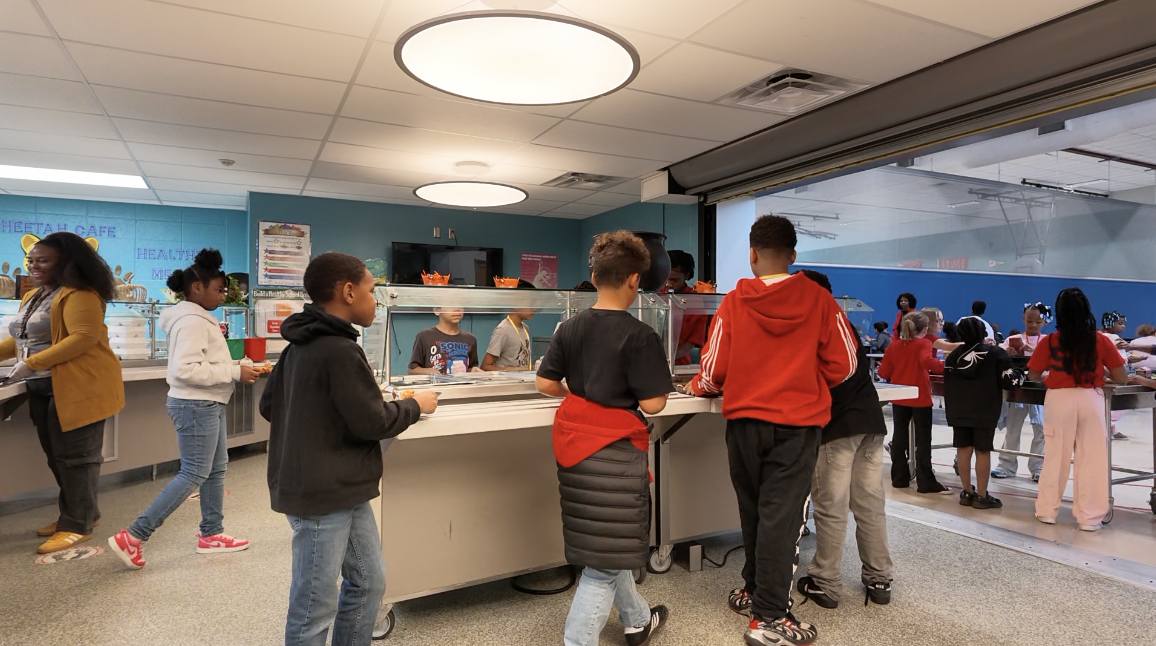
Hoover and her staff serve 6,000 students a day. Thanks to federal food assistance programs like SNAP and CEP, the district can provide three meals a day for every child, free of charge.
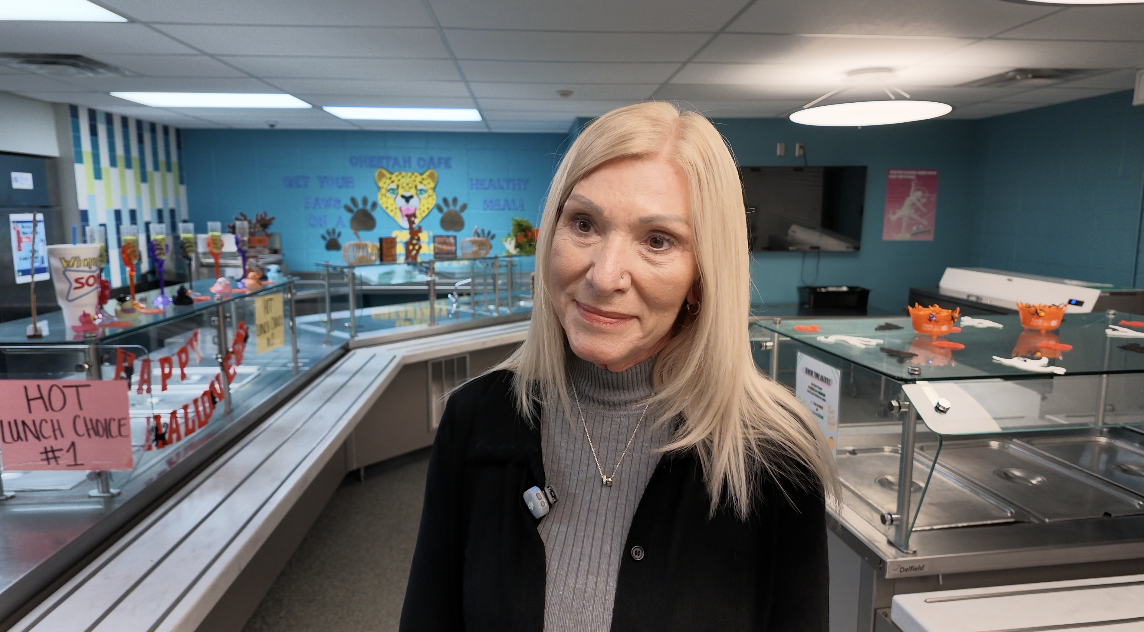
“Because we do qualify for CEP, that means 89% of our students qualify for meals. But Hickman Mills says, you know what, feeding our students is so important that they absorb, we absorb, that extra 11% that is not reimbursed.”
That 11% is about $345,000. It is an out-of-pocket expense that could increase in the coming years because of how SNAP benefits are going to be funded starting October 2027.
President Trump’s One Big Beautiful Bill will start holding states accountable and make them pay penalties toward the SNAP program if they overfund or underfund by 6% or more.
If states cannot afford it, it means more families in their states will be cut from the Supplemental Nutrition Assistance Program.
This raises concern for educators and advocates, as many students are auto-enrolled into their schools’ free breakfast and lunch programs when their parents qualify for SNAP.
Additionally, the CEP program relies on students being enrolled in SNAP.

“CEP depends on that direct certification, so the more students who are directly certified through SNAP, Medicaid, etc., the more financially viable CEP becomes for schools,” said Haley Kottler, Senior Campaign Director of Kansas Appleseed.
This is what has Hoover concerned.
“The SNAP program, CEP, CACFP, all affect how we feed our children,” Hoover said. “If we’re paying and paying and paying, we can’t survive as a department. You know, we depend on those reimbursement rates to purchase the food.”
She says that just because food assistance programs go away, that does not necessarily mean families will automatically be disqualified from free breakfast and lunch. The district will just have to require applications and enroll on a case-by-case basis.
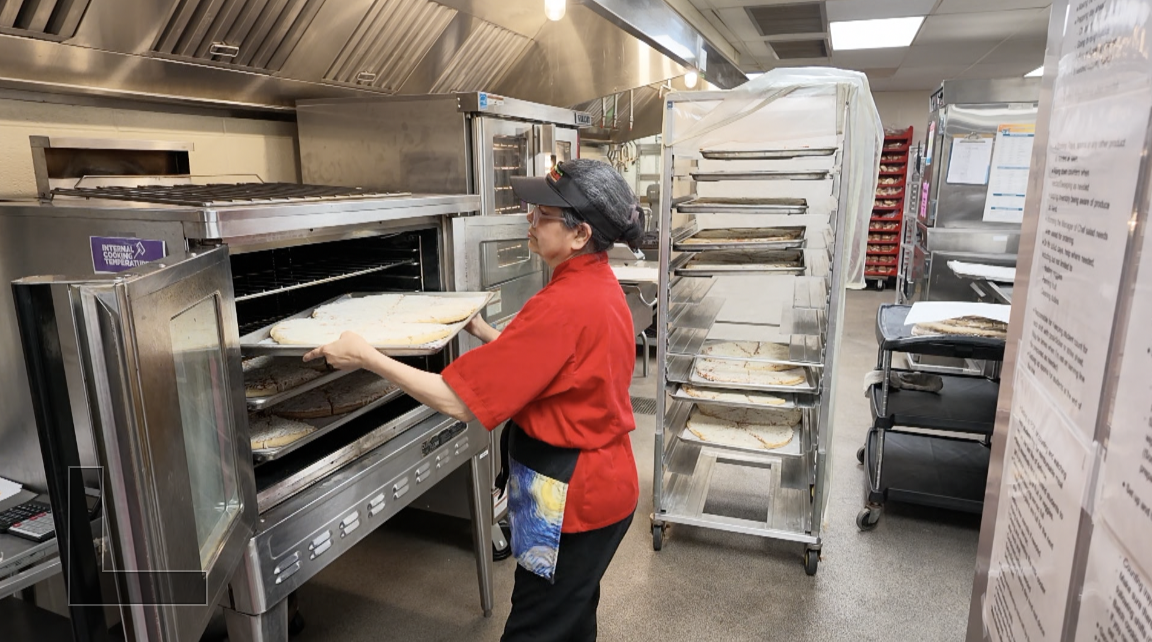
“We have to put that burden back onto the families because we cannot endure it. As much as we would love to say yes, I would love to cover that cost, that’s not an option for us,” Hoover said.
Thankfully, the CEP program is on a four-year cycle, and the Hickman Mills School District still has two more years left. This means the district will not see funding cuts immediately starting in October 2027.
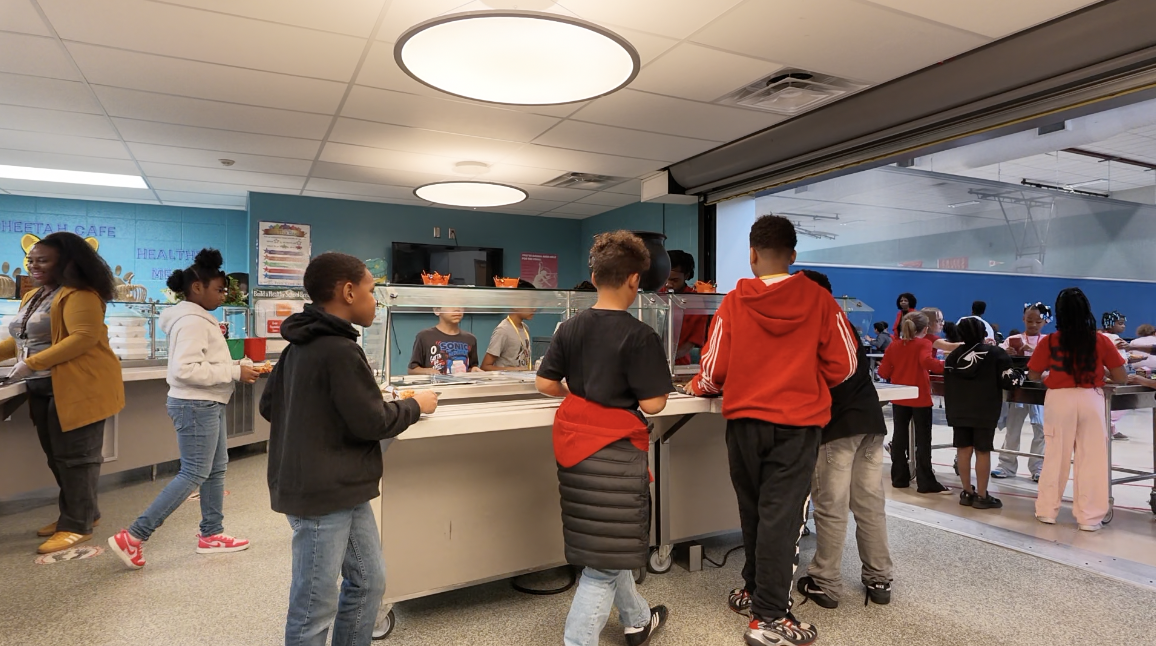
But as of now, around 30,000 children have already lost SNAP benefits in Kansas and Missouri this year.
As school districts try to stay one step ahead, Hoover says it boils down to this.
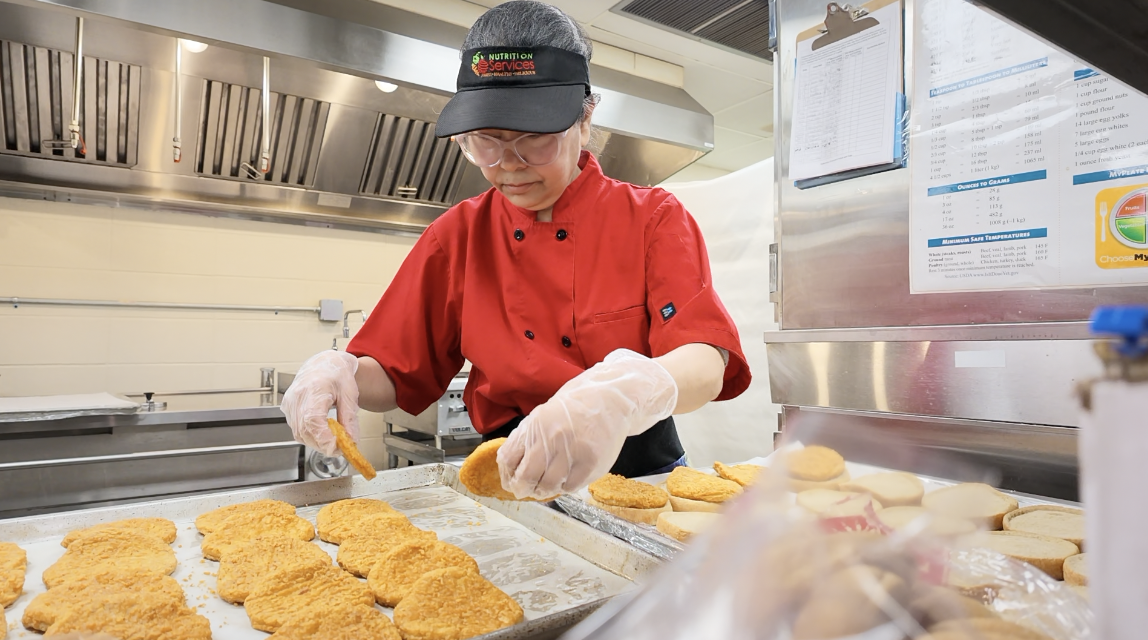
“The effect that it has, the trickle-down, it’s our future that’s really gonna pay,” Hoover said.
—