

IONIA, Mo. — KSHB 41 anchor/reporter JuYeon Kim covers agricultural issues and the fentanyl crisis. She traveled nearly two hours to check in on a Missouri farmer and rancher she did a story with in May at the height of the trade war with China. Share your story idea with JuYeon.
—
The Trump administration announced Monday a $12 billion aid package is on the way for American farmers to help them bounce back from the financial impacts of this year’s trade wars between the U.S. and its top economic partners.
Up to $11 billion will go to the U.S. Department of Agriculture's new Farmer Bridge Assistance program and be given as one-time payments to row crop farmers. The remaining $1 million will be put aside and used as needed by the USDA.
President Trump said the money would come from U.S. tariff revenues.
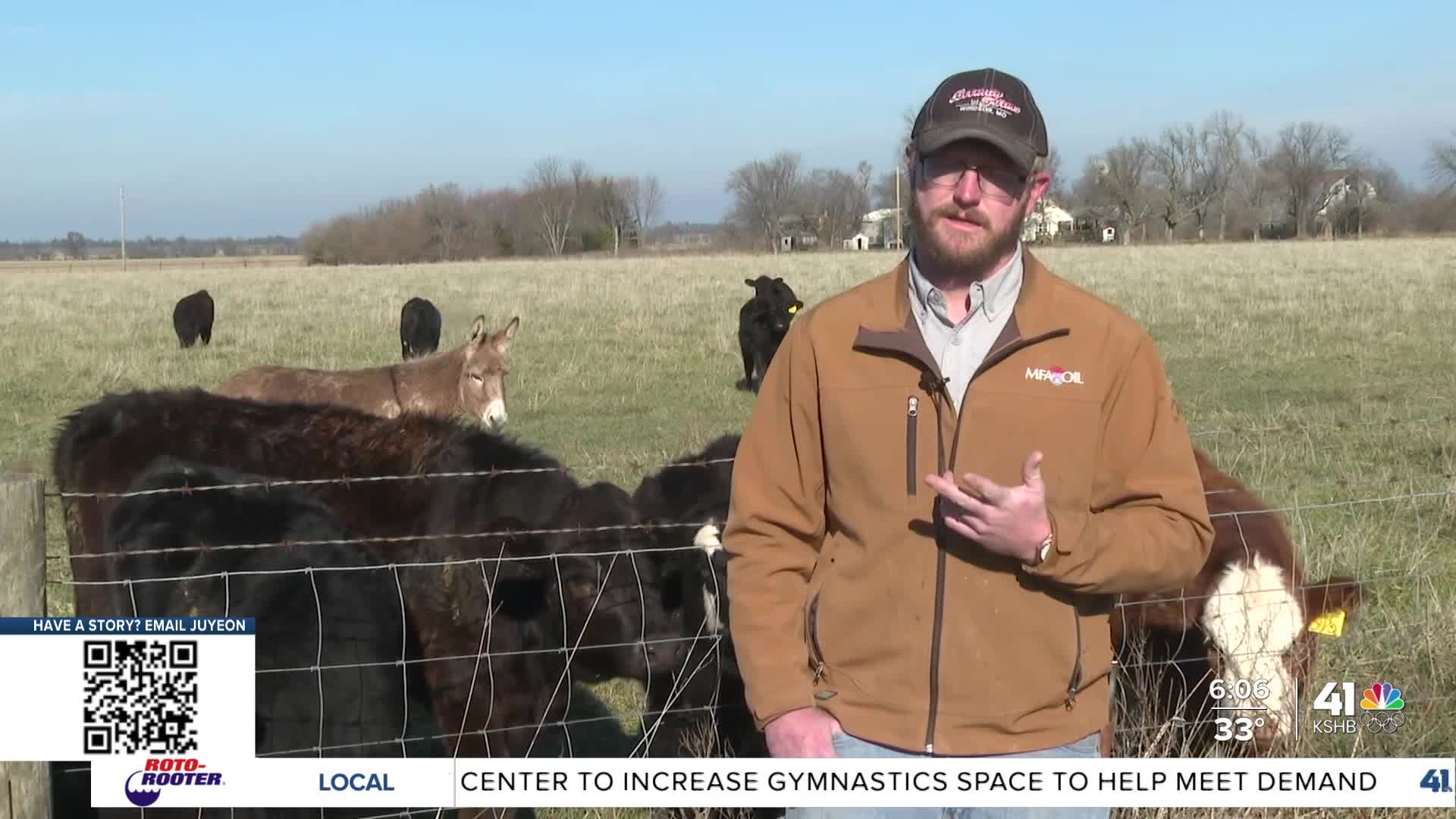
“No one’s turning it down. They are satisfied with it. But the problem with aid is it’s helpful, but it’s also harmful,” said Andrew Beeman, Missouri farmer and rancher.
JuYeon Kim, KSHB 41’s agriculture reporter, first met Beeman back in May during the height of the U.S. trade war with China. He was concerned about how the reciprocal tariffs would impact his business.

At the time, he had preemptively sold his soybeans early and planted more corn, which is less reliant on international markets.
But despite all the safety nets, Beeman said his profits were still lower this year during a follow-up interview.

“We had pretty much full shutoff of soybean trade with China,” Beeman said. “The prices were quite a bit lower than they would have been if China was a normal buyer.”
Beeman believes when the federal government puts money into the market that is not based on market principles, two negative outcomes can happen.

“First off, it doesn’t incentivize us to change our production methods or lower cost,” he said. “The other thing is, most of that money is just gonna go straight through farmers' hands to pay off seed for next year, fertilizer, equipment… And going down that line, it doesn’t incentivize any of those producers to lower their cost.”
Beeman is still skeptical China may back out of the current trade truce. China is supposed to buy 12 million metric tons of U.S. soybeans by the end of February.
But as the year comes to an end, Beeman is optimistic about a new season on the horizon.
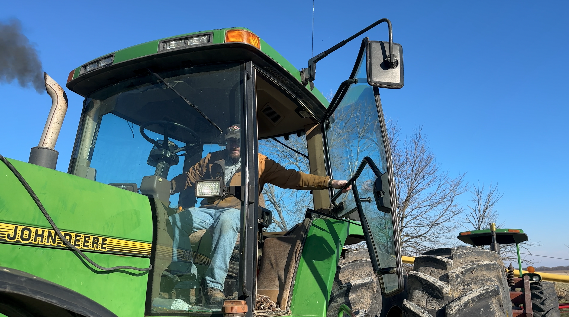
“I’m much more worried about rain than a tariff policy,” Beeman said. “Humans have done farming for all of recorded history, and I suppose it’ll still be around next year anyway.”
—