



LAWRENCE, Kan. — KSHB 41 reporter Lily O’Shea Becker covers Franklin and Douglas counties in Kansas. Share your story idea with Lily.
—
The University of Kansas said "times have changed" and the university will now help financially support KU Athletics, according to a statement Tuesday from the chancellor's office.
It is a change for the university, which said for years it was one of few to receive funds from a partnering athletic program.
After years of KU Athletics transferring roughly $15 million annually to the university's general fund, KU said it will now help fund student-athlete tuition, housing and scholarships.
Mit Winter, a college athletics attorney, said universities across the country are making the same financial decision in response to Name, Image and Likeness (NIL) deals.
“Even the biggest universities where you think their athletics department is rolling in money, the university side is having to transfer money over to the athletics side," Winter said.
KU said the university itself will not pay for NIL deals.
In its statement, KU said one of the main reasons to invest in the athletic department is because it attracts students to the university.
“For a lot of schools, the athletics department — and especially a program like KU’s basketball program — is the front porch of the university," Winter said. "It’s what people know about KU, especially if you’re not from the Kansas area.”
This is all happening while university employees are rallying for better pay and protections.
In the same statement made Tuesday, Chancellor Doug Girod and Chief Academic Officer Arash Mafi recognized there is room to improve when it comes to the university's employee compensation.
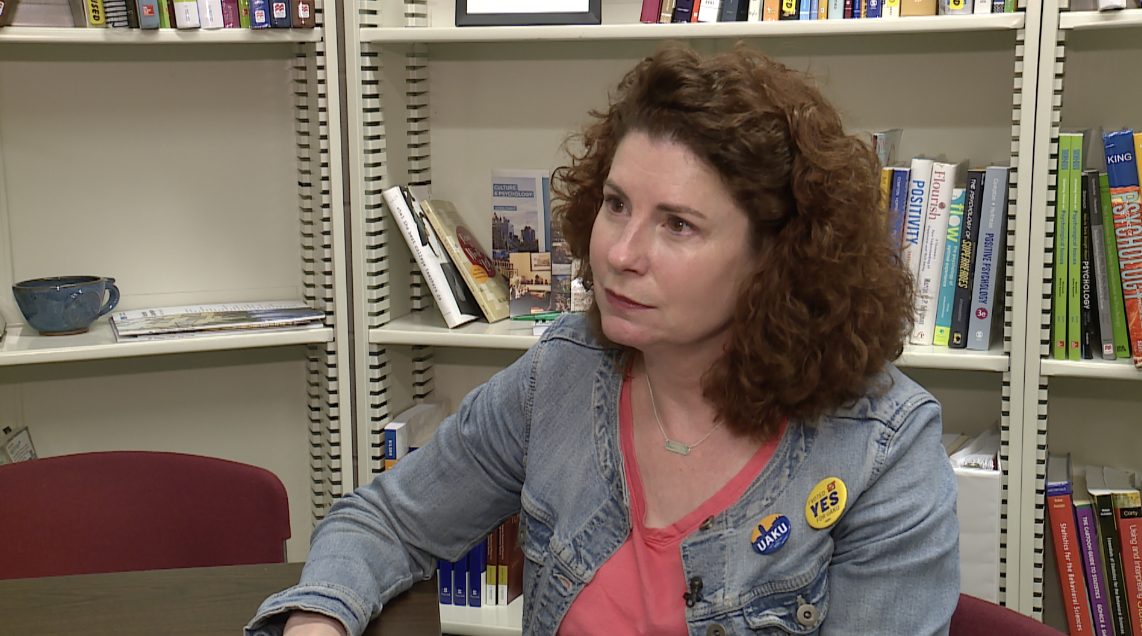
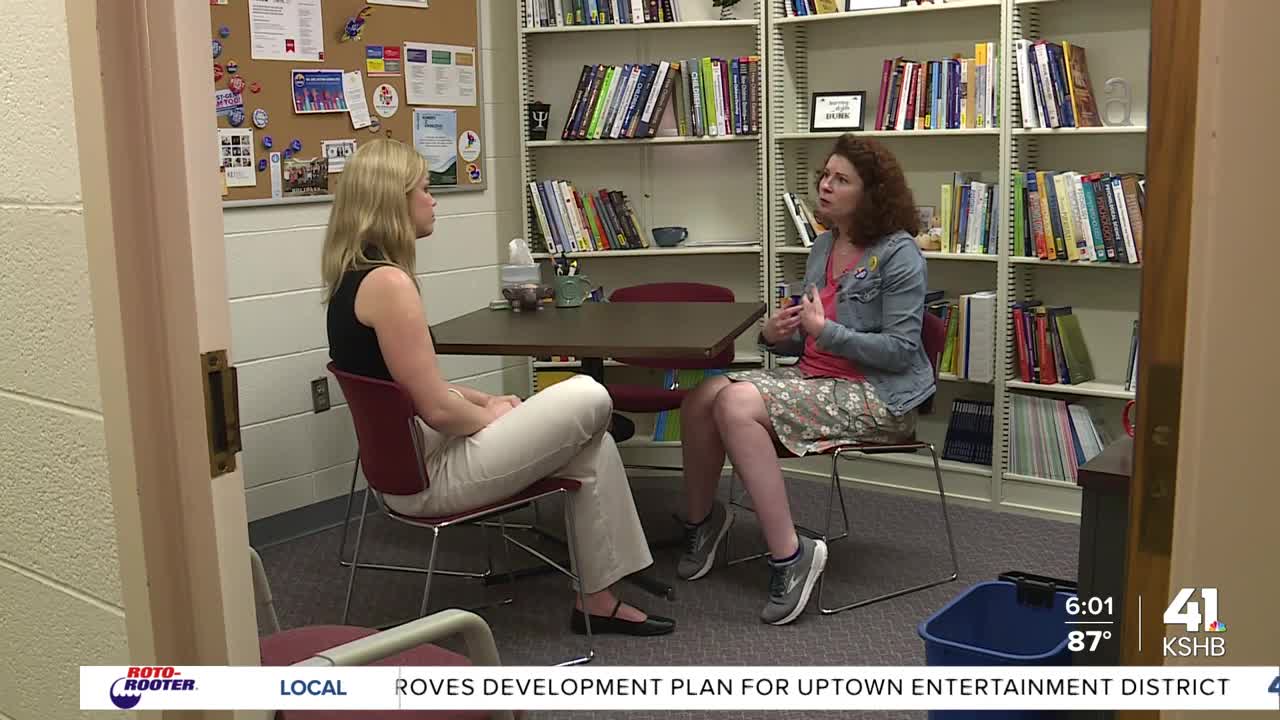
UAKU, a union representing KU's faculty and academic staff, is voting to ratify its first negotiated contract with the university this week.
The union was formed in 2024 and represents 1,600 bargaining unit members, according to Marsha McCartney, an associate psychology professor at the university and co-lead negotiator for UAKU.
“It feels wonderful," McCartney said. "I’m so happy that we were able to bargain that. That we were able to come to the table, to make them see that we need to be a priority as well, and I think this is foundational for what we’re going to be able to do moving forward.”
McCartney said some of the wins in the negotiations include: expanding protections to all union bargaining unit members that are currently only available to tenure-line faculty; establishing a salary minimum — which creates a median 14% salary increase for bargaining unit members within the bottom 25% of salary wages; and a 1% salary increase across the board.
While UAKU and the university negotiated a three-year contract, compensation will be renegotiated on a yearly basis.
"These steps do not erase every concern, and they do not imply that everyone is where they should be," the press release said in part. "But they do demonstrate a clear and continuing commitment to move KU employees closer to competitive, market‑informed pay as resources allow."
McCartney said university management has acknowledged KU's faculty and academic staff salaries do not match peer institutions before Tuesday's statement.
“We don’t feel that we’re in competition at all with athletics," McCartney said. "We feel like we support students and that includes student athletes. We think that everyone should be fairly compensated for the work they provide to KU.”
—
![092126_KSHB_WX_480x360[61].jpg](https://ewscripps.brightspotcdn.com/dims4/default/79e7fad/2147483647/strip/true/crop/480x360+0+0/resize/960x720!/format/webp/quality/90/?url=http%3A%2F%2Fewscripps-brightspot.s3.amazonaws.com%2F6f%2F6d%2Fa3758caf4c0984b0ecf100f620d1%2F092126-kshb-wx-480x36061.jpg)