



LAWRENCE, Kan. — KSHB 41 reporter Lily O’Shea Becker covers Franklin and Douglas counties in Kansas. Share your story idea with Lily.
—
The U.S. Department of Education is notifying student loan borrowers enrolled in the Biden administration's SAVE repayment plan about next steps they must take as the plan comes to an end.
On March 10, a federal court issued a ruling to end the income-driven payment plan. Over 7 million student loan borrowers will need to change their payment plan, according to the Associated Press.
Beginning July 1, the Trump administration will roll out the Repayment Assistance Plan (RAP), the newest income-driven repayment option for borrowers. It calculates a borrower's monthly payments based on their income and number of dependents, but uses a different formula than the SAVE plan.
Biden's SAVE plan became available to borrowers in August 2024, according to The Associated Press. The plan, which based monthly payment amounts on a borrower's income and family size, lowered student loan costs for many.

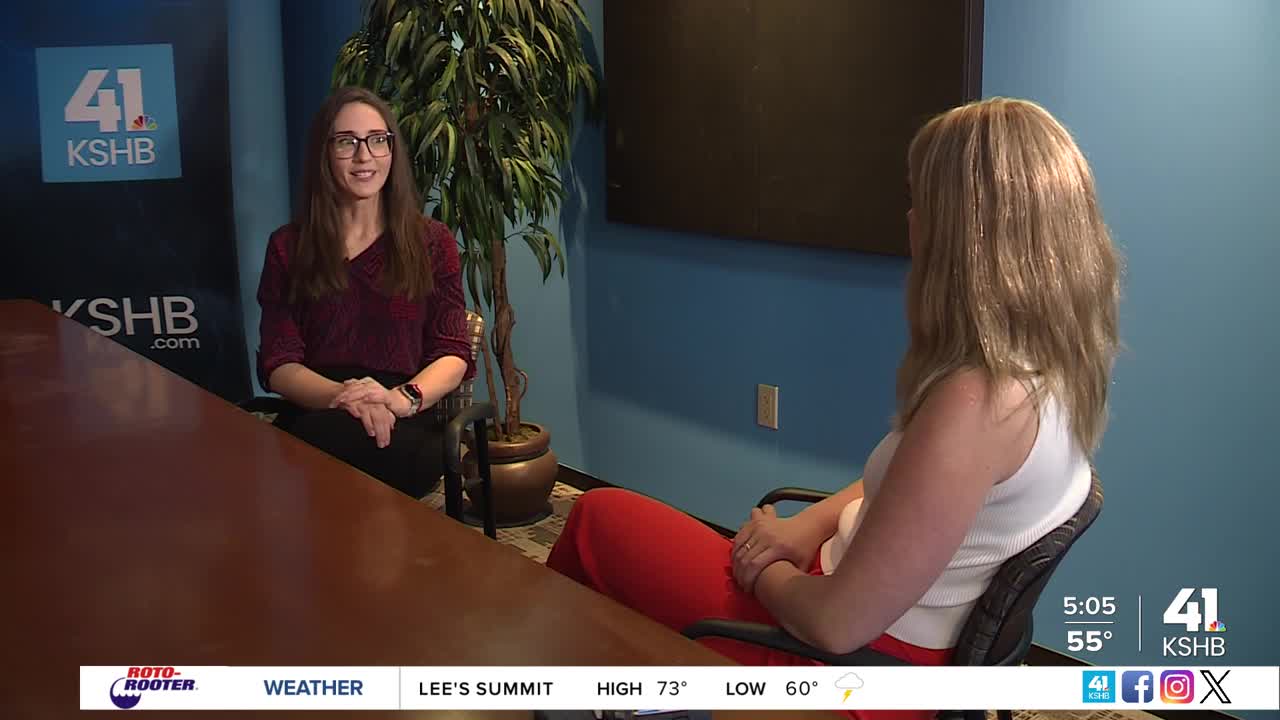
"For the majority of student loan borrowers, their payments will increase," said Becca Craig, a certified student loan professional and wealth advisor with Focus Partners.
The Associated Press also reports most borrowers on the SAVE plan will have to adjust for more costly monthly payments.
Craig said the RAP plan could be beneficial for certain borrowers, but others could see increases.
"It's a very different repayment plan than we've seen in the past," she said.
Loan servicers will contact borrowers enrolled in the SAVE plan, and those borrowers will have 90 days to transition to the new repayment method, according to the U.S. Department of Education.
"Between now, and really the summer, student loan borrowers — over 7.5 million currently enrolled — are going to be forced to make a decision and forced to act, or their actions will be taken for them by the federal government," Craig said.
Navigating student loans can be difficult for new borrowers.

“I did not know what I was doing when I first came to KU because I had my mom do all of it," said Alivia Stuckey, a freshman University of Kansas. "Now, I struggle so much because I don’t have my mom there next to me for everything.”
Stuckey is studying to go into healthcare, and feels like her career will provide a good return on investment for her student loans. She said she's already $10,000 in debt.
“I would just really urge all borrowers, all students, current, future, to really consider their (student loan) options before making panicked or quick decisions," Craig said.
Stuckey has time to make her decision. Most borrowers are required to begin paying their student loans six months after they leave college or drop below half-time enrollment.
“I stress over everything, so if I just forget about it and pretend like it doesn’t exist right now, then I won’t stress right now," she said.
—

![020626_KSHB_Image_NXA_Web_Standard Cube[88].jpg](https://ewscripps.brightspotcdn.com/dims4/default/0ead409/2147483647/strip/true/crop/300x225+0+13/resize/960x720!/format/webp/quality/90/?url=http%3A%2F%2Fewscripps-brightspot.s3.amazonaws.com%2F8f%2F6c%2Ffad8bd2346c5a4d4ead793017d4a%2F020626-kshb-image-nxa-web-standard-cube88.jpg)