



KANSAS CITY, Mo. — KSHB 41 reporter Isabella Ledonne reports on stories in Overland Park, Johnson County and topics about government accountability. This is a continuation of the ongoing series, Data, Dollars & Demand, which explores the data center boom in the Kansas City metro and its impact. Share your story idea with Isabella.
—
As data centers continue to pop up in the Kansas City metro area, the main question residents are asking is how will the growth affect utility bills?
On Wednesday, President Trump and leaders from the tech businesses signed the Ratepayer Protection Pledge. It requires companies to fully cover energy bills for data centers.
"That will help keep down utility bills very, very substantially and electricity prices for millions of Americans," President Trump said.
As of now, there are at least eight confirmed hyperscale data centers, in locations that include Kansas City, Smithville, Independence, Osawatomie, Kansas City, Kan., and De Soto.
Some of the data centers are already up and running, including Meta's data center.
KSHB 41 News has reported extensively on these projects as a part of the ongoing series, Data, Dollars & Demand.
A hyperscale data center uses more than 75 megawatts of energy a day. That's enough power for 25,000 homes.
Nebius' AI data center in Independence is expected to use 800 megawatts of energy.
Kansas City's Northland will have four hyperscale data centers within a 50-mile radius.

"Hopefully, they don't take power from me," Northland resident John Mark Jones said.
It's left neighbors to wonder where that electricity will come from.

"Do they have backups to where it doesn't affect this neighbor?" Northland resident Shuteh McGovern asked
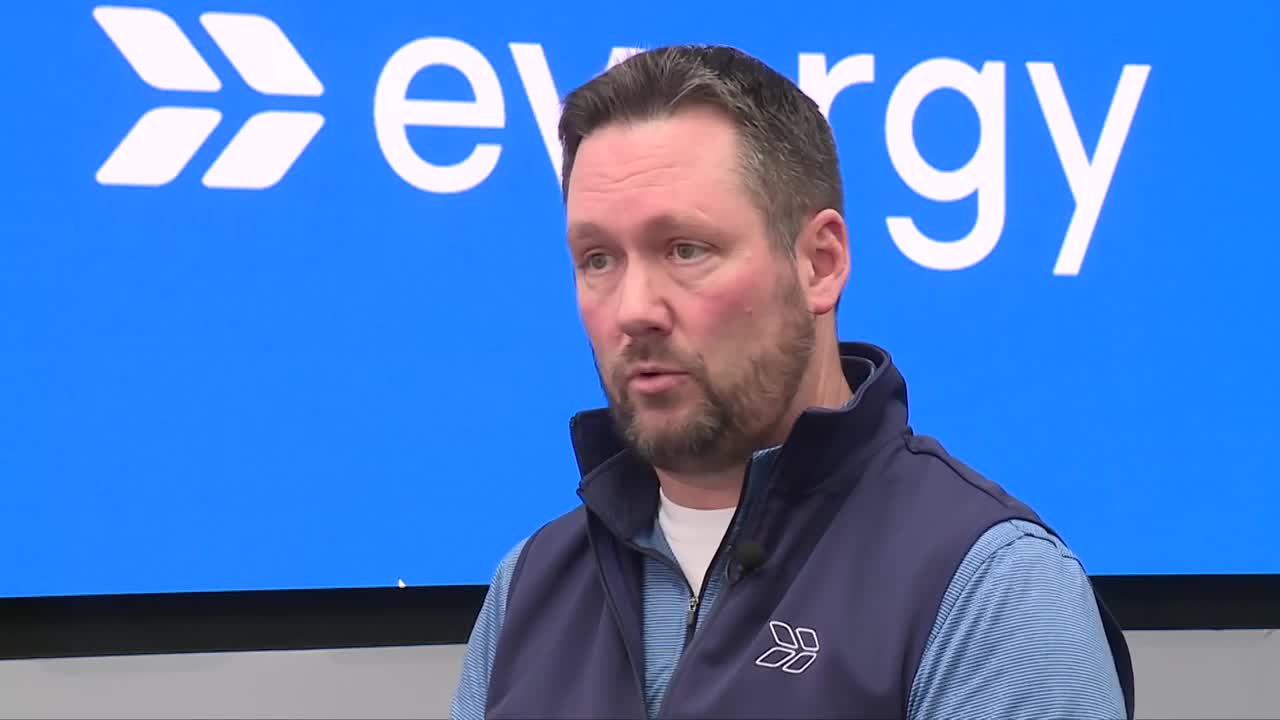
KSHB 41's Isabella Ledonne sat down with Evergy's chief customer officer to discuss how the data center boom will impact regular customer's electric bills.

"When we looked at how to deal with data centers, probably the most important thing was to make sure, first, that they paid their fair share," Chuck Caisley said. "Second, that our customers are never left holding the bag."
Customers from data center hubs in Virginia and California have reported massive energy bill increases since the buildings went up. Caisley explained that won't be the case in Kansas City.
"[People] get scared that it's going to happen here, but we will have enough power," Caisley said. "Our grid reliability will actually improve."
In November, Evergy implemented a large load rate plan for massive energy users, like data centers. Power manufacturers and other large format users are also subject to the new plan.
Under the plan, hyperscale data centers and other large users will pay up to 20% more for energy rates than regular customers. Companies will cover all grid infrastructure upgrades for needed power. Users will also be contracted to pay harsh fines, up to hundreds of millions of dollars, if they leave the metro before 17 years.

"We use all that revenue to help keep prices and rates lower for our existing customers," Caisley said. "All of those protections put together is really unique in the United States and why we are differently positioned here."
All of the metro's data centers using Evergy's power supply will follow the new plan, with the exception of Meta's campus. Phase one of Meta's data center came online before the new rate plan went into effect.
"As Meta expands, [it] will be on that larger rate," Caisley said.
Evergy has been powering smaller data centers in the metro for years and claim it has not impacted customer's bills. Caisley explained the data center boom can actually make it cheaper for everyday customers.
"10 years from now, 15 years from now, the grid will be more reliable and it will cost less than it would have for our existing customers because data centers are here," Caisley said.
You can find more coverage on data centers in the KC metro here.
—

![020626_KSHB_Image_NXA_Web_Standard Cube[88].jpg](https://ewscripps.brightspotcdn.com/dims4/default/0ead409/2147483647/strip/true/crop/300x225+0+13/resize/960x720!/format/webp/quality/90/?url=http%3A%2F%2Fewscripps-brightspot.s3.amazonaws.com%2F8f%2F6c%2Ffad8bd2346c5a4d4ead793017d4a%2F020626-kshb-image-nxa-web-standard-cube88.jpg)