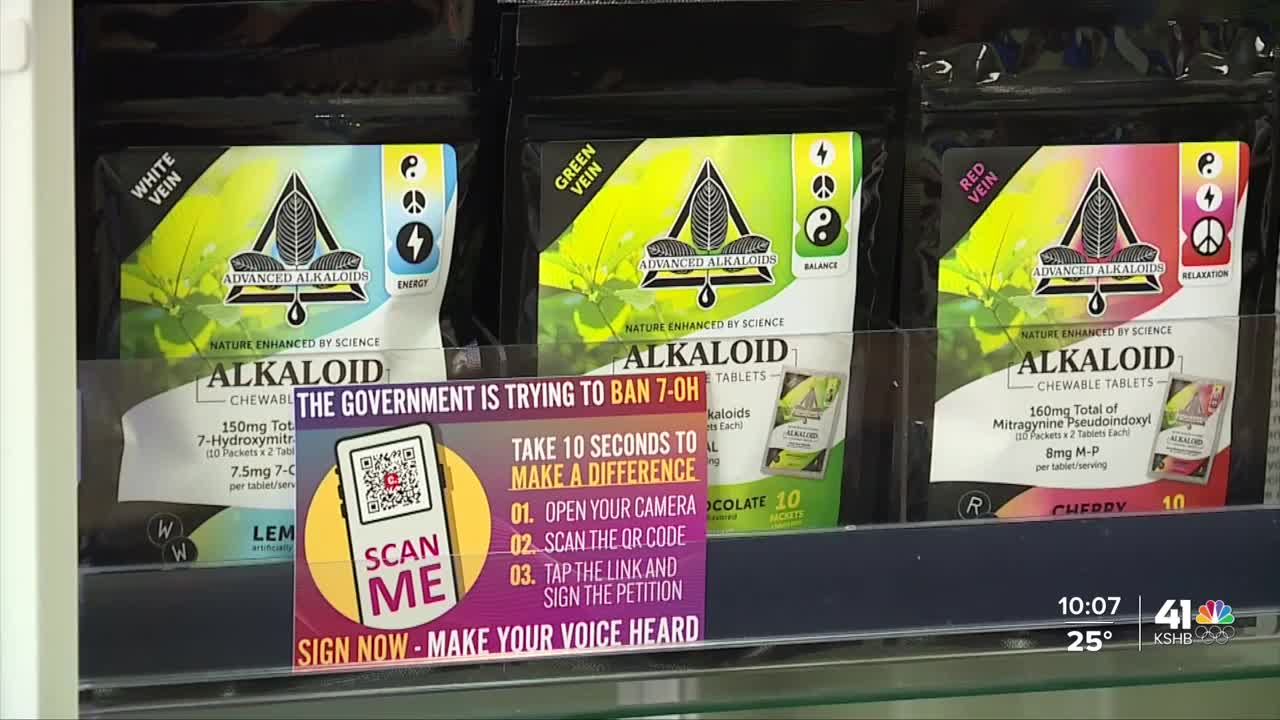


JEFFERSON CITY, Mo. — KSHB 41 reporter Isabella Ledonne reports on stories in Overland Park, Johnson County and topics about government accountability. This story follows the KSHB 41 series, Strong High Weak Laws, exploring the impacts of synthetic 7-OH in the metro. Share your story idea with Isabella.
—
A Missouri lawmaker is making a statewide ban on what's been called "gas station heroin" her number one priority this legislative session.
Missouri Senator Maggie Nurrenbern joins several other state lawmakers sponsoring legislation to ban synthetic 7-OH and regulate natural kratom.

"It's my number one priority to get something done this year to keep our community safe," Senator Nurrenbern told KSHB 41 News reporter Isabella Ledonne.
The KSHB 41 News I-Team has reported extensively on synthetic 7-OH and its impact in the Kansas City metro, as part of the series Strong High Weak Laws.
Medical experts have reported it's up to 14 times stronger than morphine and highly addictive. The city of Kansas City, Missouri, banned synthetic 7-OH and regulated unadulterated kratom products last week.
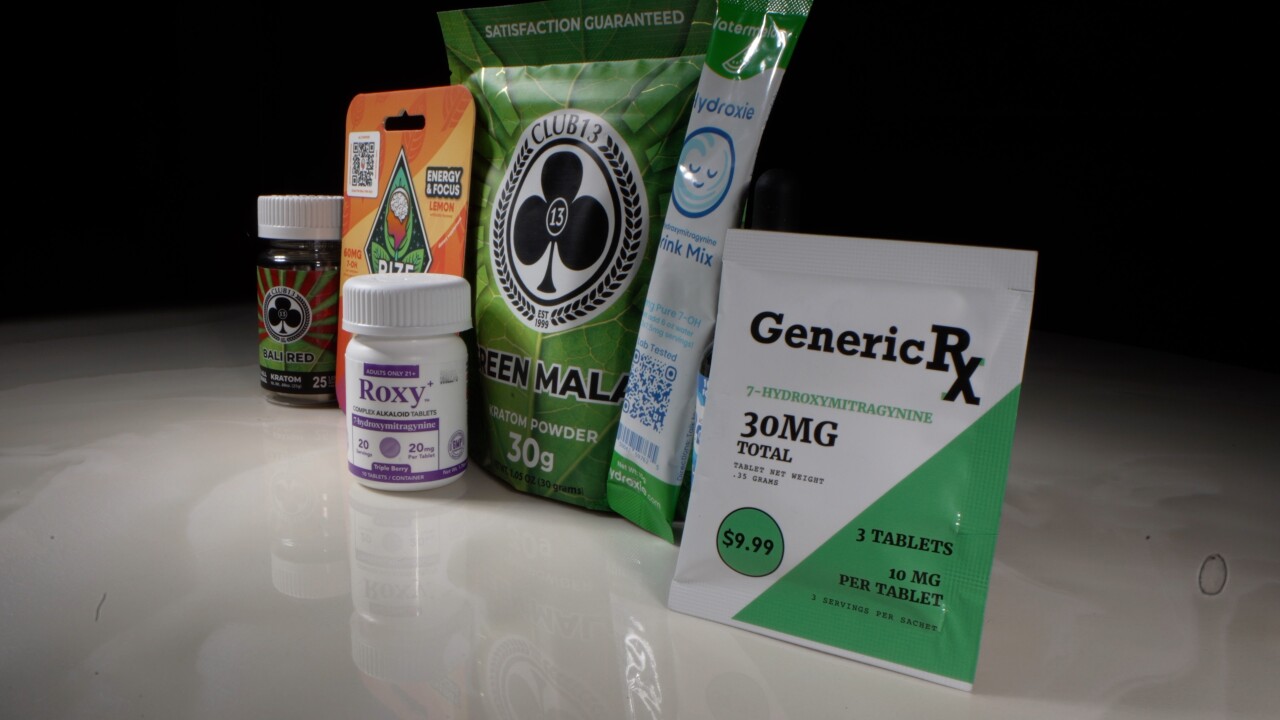
There are currently seven active bills in the Missouri General Assembly seeking to ban synthetic 7-OH and regulate kratom. Both products have been unregulated and unrestricted in Missouri and Kansas for years. It's not regulated at the federal level, but several states have adopted their own restrictions or bans.
7-OH is often marketed as a safe alternative to painkillers and comes in a variety of different forms. But it's led dozens into severe addiction, like Dwayne Whitmore.

"They don't say anywhere on the packaging what they do, it's not like it says we make you high," Whitmore said. "I would have to line them up on the bed stand because I knew that I would wake up in two hours, full-blown withdrawal, and have to take it right there as I'd go back to sleep."
Now in active recovery, Whitmore is optimistic that Missouri lawmakers are taking steps to ban 7-OH.
"This drug is ruining lives," Senator Nurrenbern said. “Not only is 7-OH available in our community, but it's also being manufactured in the Northland. I had a lot of concerns about that.”
Senator Nurrenbern, who represents Clay County, proposed a bill that would not only ban the sale of 7-OH but also target the manufacturers from making it in the state. If approved, it would be a Class E felony to make, distribute or sell synthetic 7-OH with a maximum penalty of up to four years in prison.
"We have to make sure that there are some teeth behind this legislation," Senator Nurrenbern said. "I do not believe a resurgence of the war on drugs, and in prosecuting or criminalizing a person consuming it, we really need to go after those who are manufacturing, distributing and selling these products.”
Across the Missouri State Capitol rotunda, six different House bills propose a ban on synthetic 7-OH. Several bills propose to regulate kratom as a 21+ product, but any substances containing more than 2% 7-OH would be banned.
Missouri House Representative Carolyn Caton, representing Jackson County, proposed a bill that only targets 7-OH.
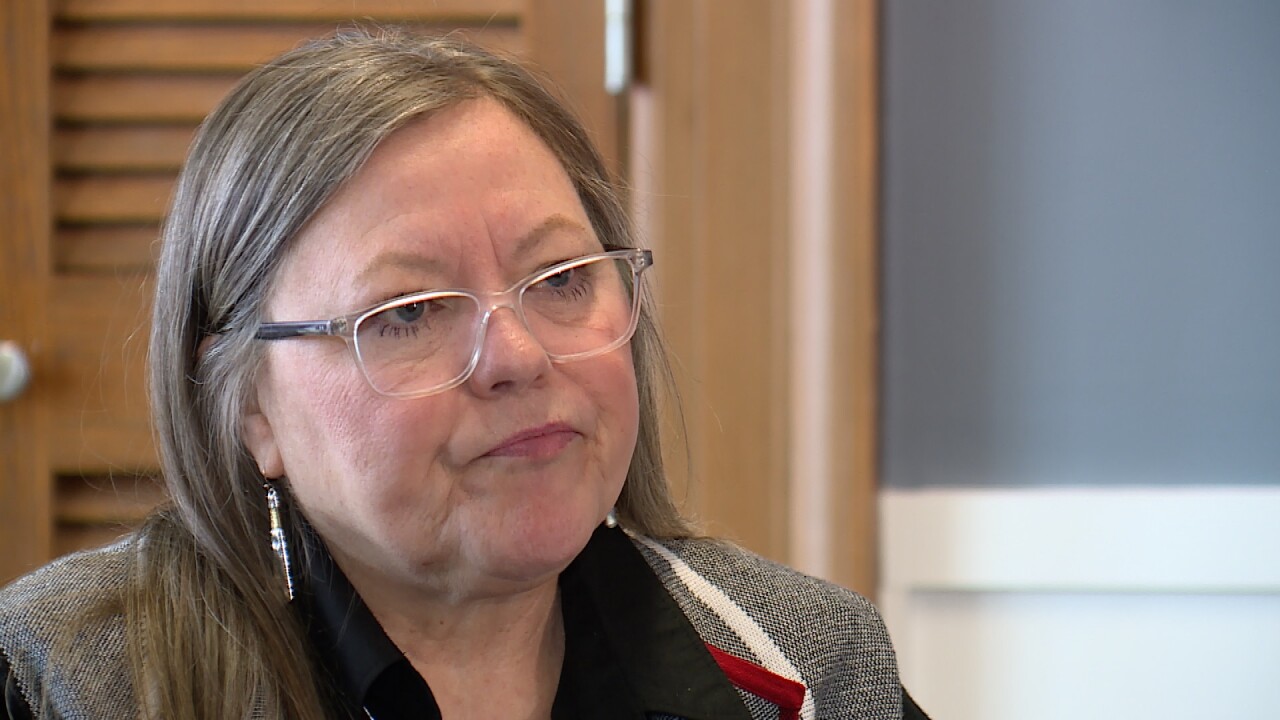
"I take it very seriously," Representative Caton said. "We have constituents who are becoming very, very ill. There are deaths from this."
According to records obtained by KSHB 41 News, 7-OH and the active ingredient in the synthetic product, mitragynine, were listed as a factor in nine different metro deaths. Eight were in Johnson County, Kansas, and one was in Kansas City, Missouri.
"The Kansas City metro area is being hit much harder than other areas, which brings it to the forefront," Representative Caton said.
Representative Caton's bill seeks to ban 7-OH with the exception of medical research.
"People are taking it without realizing it," Representative Caton said. "It needs a ban, but we still need to be able to study it."
One of the country's largest manufacturers of synthetic 7-OH sits in both Senator Nurrenbern's and Representative Caton's districts, making a potential ban on the product their top priority.
"This is a priority across the aisle when it comes to keeping people safe," Senator Nurrenbern said. "It's not a partisan issue. This is our job."
Both bills from Senator Nurrenbern and Representative Caton are currently in committee.
Across the state line, the Kansas legislature has proposed bills to schedule kratom as a Schedule I substance. The Kansas bills are also currently in committee.
Locally, Independence, Blue Springs, Gladstone and Kansas City, Missouri have all taken steps to remove synthetic 7-OH off the shelves and regulate kratom.
You can find more coverage on 7-OH in the Kansas City area here.
—