



JACKSON COUNTY, Mo. — KSHB 41 reporter Isabella Ledonne reports on stories in Overland Park, Johnson County and topics about government accountability. Share your story idea with Isabella.
—
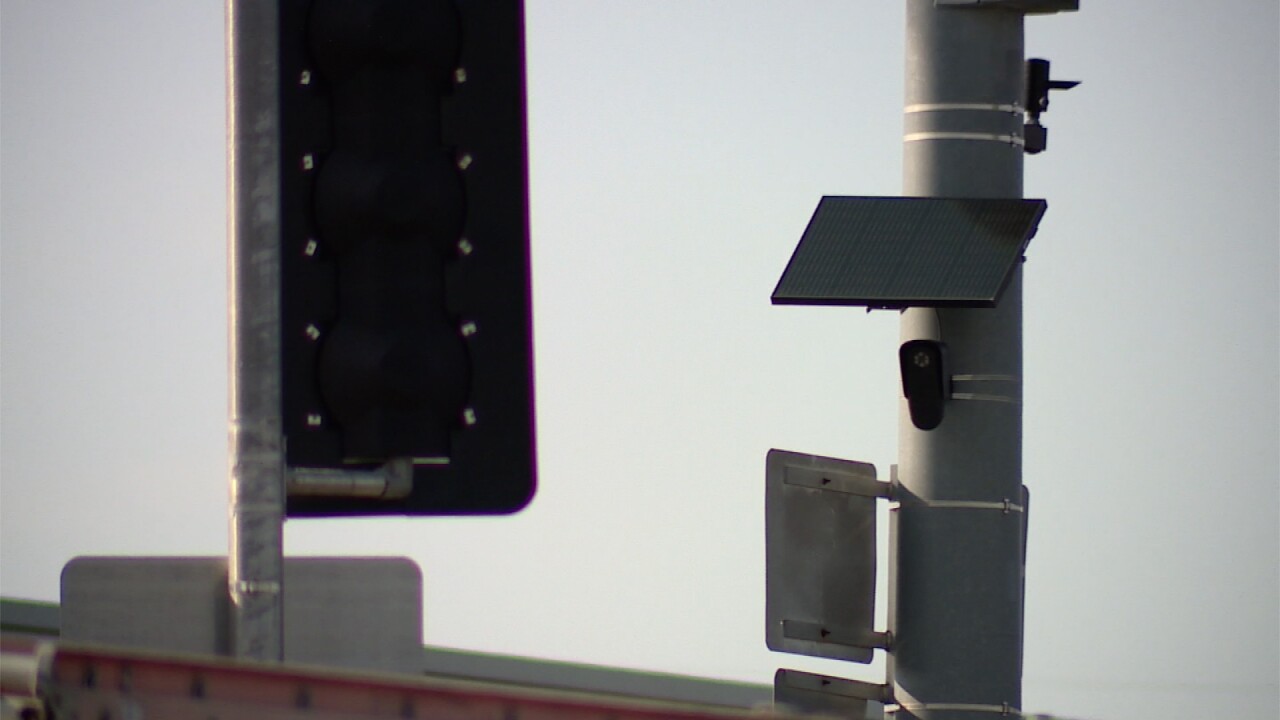
U.S. Senator Josh Hawley invited the CEO's of companies behind the automated license plate readers, commonly known as Flock cameras, to testify in front of Congress.
The announcement follows Missouri Governor Mike Kehoe's executive order placing stricter regulations on the AI surveillance cameras.
Flock cameras and ALPR's have gotten the attention of many communities around the Kansas City metro area and across the nation.
KSHB 41 News has been reporting on the impact of the cameras extensively, from Excelsior Springs to Parkville. Neighbors and some lawmakers have expressed their opposition to them, while some law enforcement officials have been in favor of the technology, saying it helps them in investigations.
"Nobody's going to have any privacy," Sen. Hawley said. "You step outside and you're going to be on camera constantly. That is a huge, huge issue."
Police chiefs are pleased with the help the cameras have in investigations.
"I would say since we've had them, every major crime that we've had in this city, it's been instrumental in helping," Excelsior Springs Chief of Police Gregory Dull said.
Sen. Hawley's announcement on Friday comes as communities across the Kansas City metro are making changes to their Flock camera policies.
Blue Springs, Missouri, was one of the state's first Flock Safety cities, dedicating nearly $5 million to installing automated license plate reader cameras throughout the city. But the conversation about privacy and security has escalated, from neighbors calling on city leaders to elected state officials pushing for statewide guidelines.
Missouri Governor Mike Kehoe's executive order, signed on Wednesday, places a new set of rules of police departments using the cameras:
- Most license plate and vehicle data must be deleted within 30 days;
- Vendors are prohibited from selling, sharing or commercializing Missouri-generated data;
- Limited use of ALPR technology to legitimate criminal justice and life-saving purposes;
- Accountability measures to prevent and penalize misuse;
- Prohibited integration of AI facial recognition technology.
Neighbors like Robert Jestus aren't calling for a full suspension of the AI cameras, but rather want to see a stronger system of checks and balances.

"I think it's a good place to start the conversation, but I don't think it goes far enough," Jestus said. "I just think that we should have proper audits in place to the kinds of abuse we've seen in other districts aren't going to be occurring here in our own backyard."
Jestus and some other Blue Springs neighbors are planning to share their concerns with at a Monday night city council meeting.
It's something Lee's Summit neighbor Trace Kitzmann has been doing over the last month.
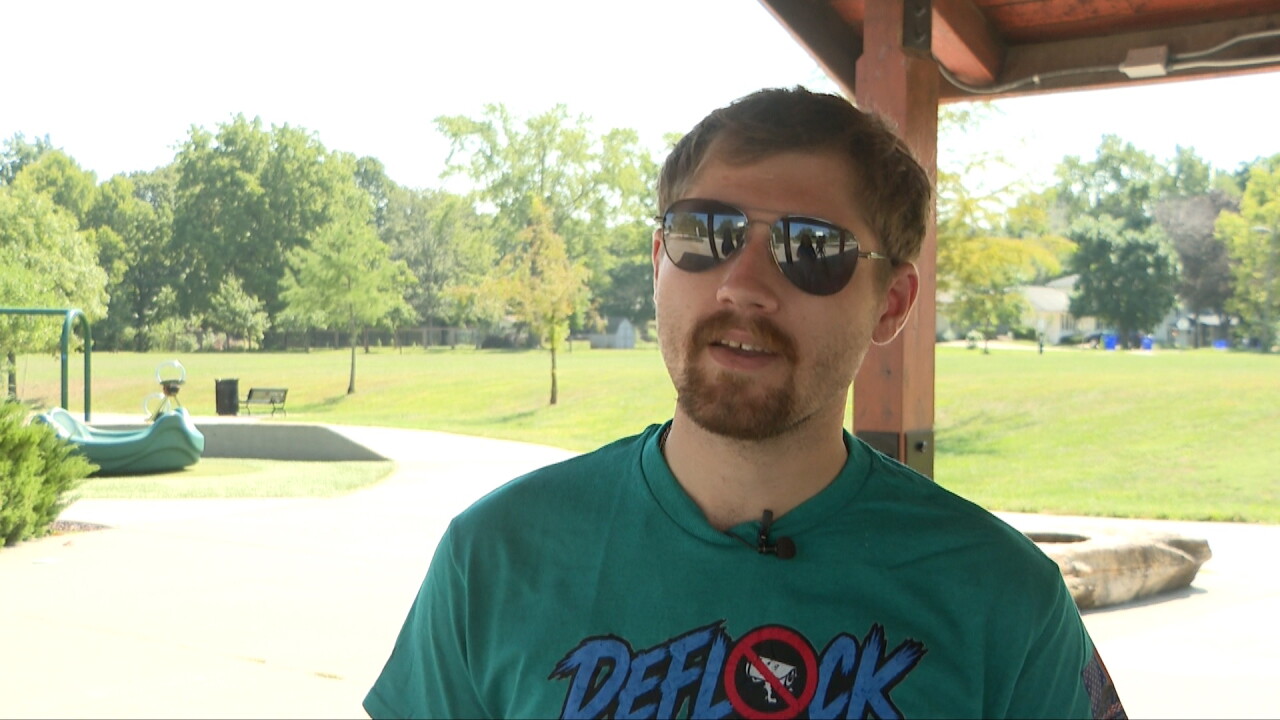
"We've had some movements with our [police] chief in Lee's Summit," Kitzmann said.
Lee's Summit police confirmed to KSHB 41 News they won't be sharing camera data with other police departments until they can come up with a set of written rules.
As more neighbors come out criticizing Flock cameras, more departments have been sharing on social media how helpful they are to solve cases.
"I see the good [to get] kidnapped kids, other criminals, I see the goods behind it," Kitzmann said. "But it doesn't outweigh the negative uses that we're seeing."
Regardless where neighbors stand on privacy concerns, people who shared their voice with KSHB 41 News agree there should be stricter penalties to prevent law enforcement misuse.
"We're trusting the police to police themselves and self-report up through everything," Jestus said.
KSHB 41 News plans to listen in on Senator Hawley's hearing with Flock next week and follow up with local leaders.
—
![020626_KSHB_Image_NXA_Web_Standard Cube[88].jpg](https://ewscripps.brightspotcdn.com/dims4/default/0ead409/2147483647/strip/true/crop/300x225+0+13/resize/960x720!/format/webp/quality/90/?url=http%3A%2F%2Fewscripps-brightspot.s3.amazonaws.com%2F8f%2F6c%2Ffad8bd2346c5a4d4ead793017d4a%2F020626-kshb-image-nxa-web-standard-cube88.jpg)