



KANSAS CITY, Mo. — KSHB 41 reporter Isabella Ledonne reports on stories in Overland Park, Johnson County and topics about government accountability. She's been covering data centers for more than a year, amplifying the voices of neighbors and experts, as a part of the ongoing series, Data, Dollars & Demand. Share your story idea with Isabella.
—
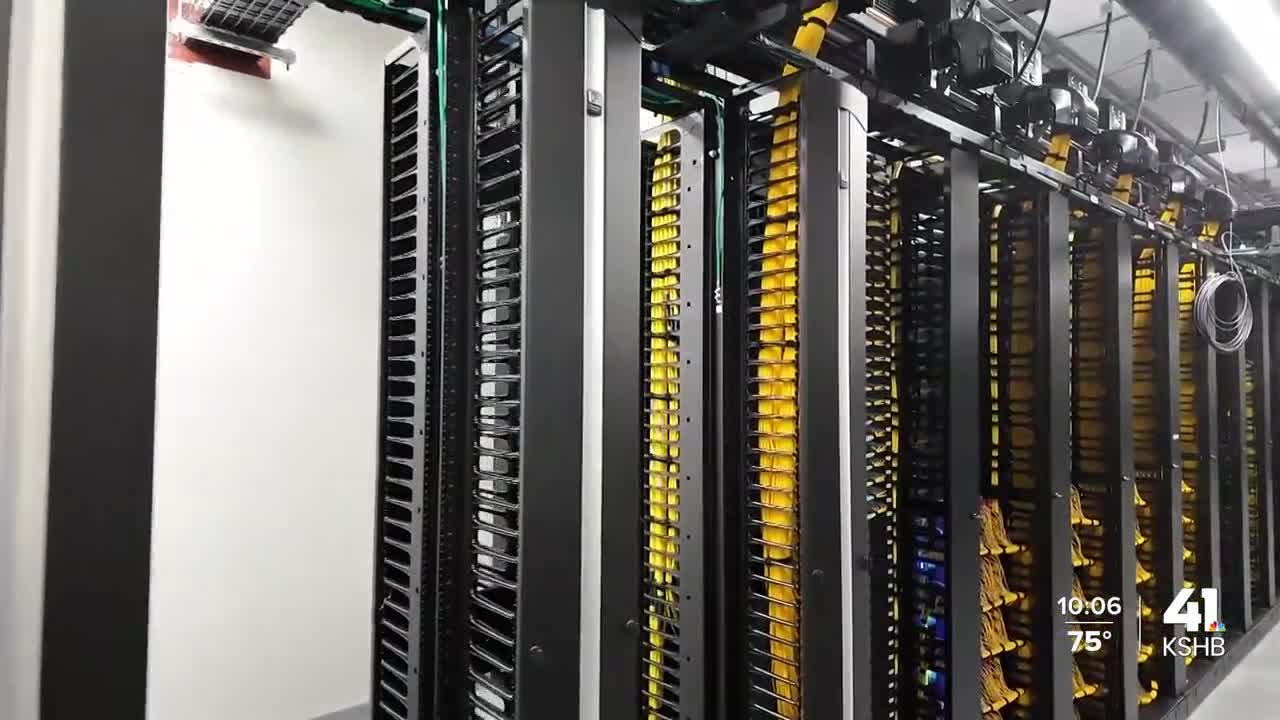
The Kansas City metro area has seen at least 10 proposals for hyperscale data centers, some of which are now up and running.
Mega data centers are based on energy usage or size, using more than 75 megawatts of daily electricity or spanning across dozens of acres. Kansas City, Smithville, De Soto, Osawatomie, KCK, Liberty and Tonganoxie all have data center proposals.
Tonganoxie's data center proposal, "Project Bluestem", is the most recent development. The data center proposal was brought last week to the Leavenworth County Commission.
Each time KSHB 41 News posts a story about data centers, the comments sections are filled with questions and concerns about the multi-billion dollar sites growing across Kansas City. Here's the irony: those online comments are all stored and powered by these data centers.
With companies predicting explosive growth in AI, bigger and more resource hungry facilities are being proposed. If all these proposals come online in the Kansas City metro, experts tell KSHB 41 News it could have significant effects on the electric and water infrastructure.

"The more that you consume at a data center, the more you're going to generate electricity elsewhere," Michael Craig, University of Michigan associate professor of environment and sustainability, said. "Usually, where that electricity is going to come from in the United States are natural gas plants and then coal plants."
The Midwest has thousands of acres of undeveloped land and cheaper utility rates than the coastal states.
Steven Anthony, the vice president of business development for the Economic Development Council of Kansas City, explained that makes Kansas City an attractive spot for data center developers.

"A lot of times data centers are like car lots," Anthony said. "When you see one car lot pop up, there's another one that pops up right next to it. That's what you have with data centers because they can also all take advantage of the same infrastructure that's being placed."
Only Meta's campus in Smithville has come online. Craig explained if all 10, or more, data centers start running, energy supply may not meet the demand.
"If you put a ton of data centers in one spot in the metro area, they're going to have consequences in that immediate area, and they're going to have consequences across a much broader area," Craig said.
The energy surge means companies will have to build more energy generators. Evergy, which will be supplying power to Google's and Meta's data centers, implemented a new, higher rate structure for large load customers.
Evergy's chief customer officer explained customers won't see a spike in their electric bills because the utility company is making data centers pay for capacity upgrades upfront.
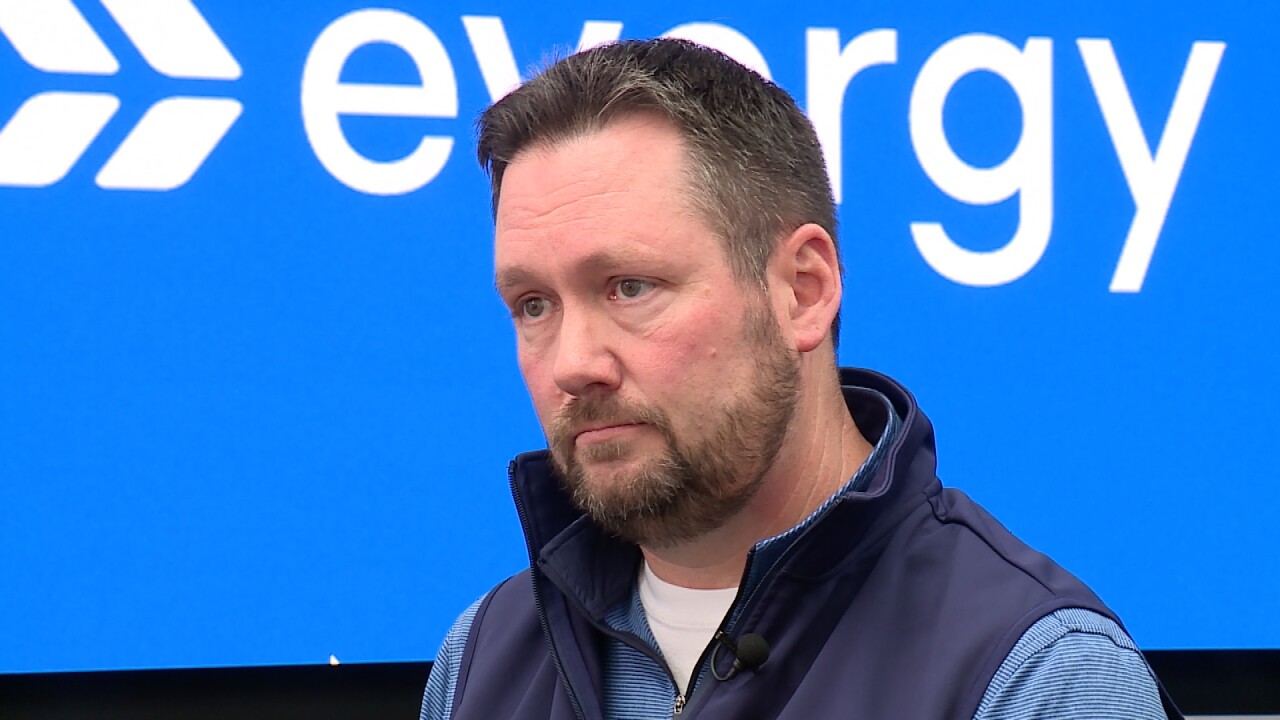
"The grid will be more reliable and it will cost less than it would have for our existing customers because data centers are here," Chuck Caisley said.
But that doesn't mean there won't be another price on Kansas City's data center cluster.
"The generation of electricity has environmental costs and public health costs," Craig said. "The more that you generate there, the more cost of producing electricity that you have, the more local air pollution that you have, the more global pollution or greenhouse gas emissions that you have."
Many viewers have asked what could happen if the AI bubble bursts and data center companies back out. Depending on their contracts with municipalities in the KC metro, data centers could still be on the hook for paying off the billion dollar bonds and could be fined millions of dollars by utility companies like Evergy.
More in-depth stories on data centers can be found here.
—
![092126_KSHB_WX_480x360[61].jpg](https://ewscripps.brightspotcdn.com/dims4/default/79e7fad/2147483647/strip/true/crop/480x360+0+0/resize/960x720!/format/webp/quality/90/?url=http%3A%2F%2Fewscripps-brightspot.s3.amazonaws.com%2F6f%2F6d%2Fa3758caf4c0984b0ecf100f620d1%2F092126-kshb-wx-480x36061.jpg)