

KANSAS CITY, Mo. — KSHB 41 reporter Megan Abundis covers Kansas City, Missouri, including neighborhoods in the southern part of the city. We learned about this story idea from a recent Let's Talk event in Waldo. Share your story idea with Megan.
—
Historians at the Wornall Majors House Museums in south Kansas City have uncovered hundreds of names of enslaved people who lived in Jackson County, Missouri — a discovery years in the making that is now being preserved in a new living database.
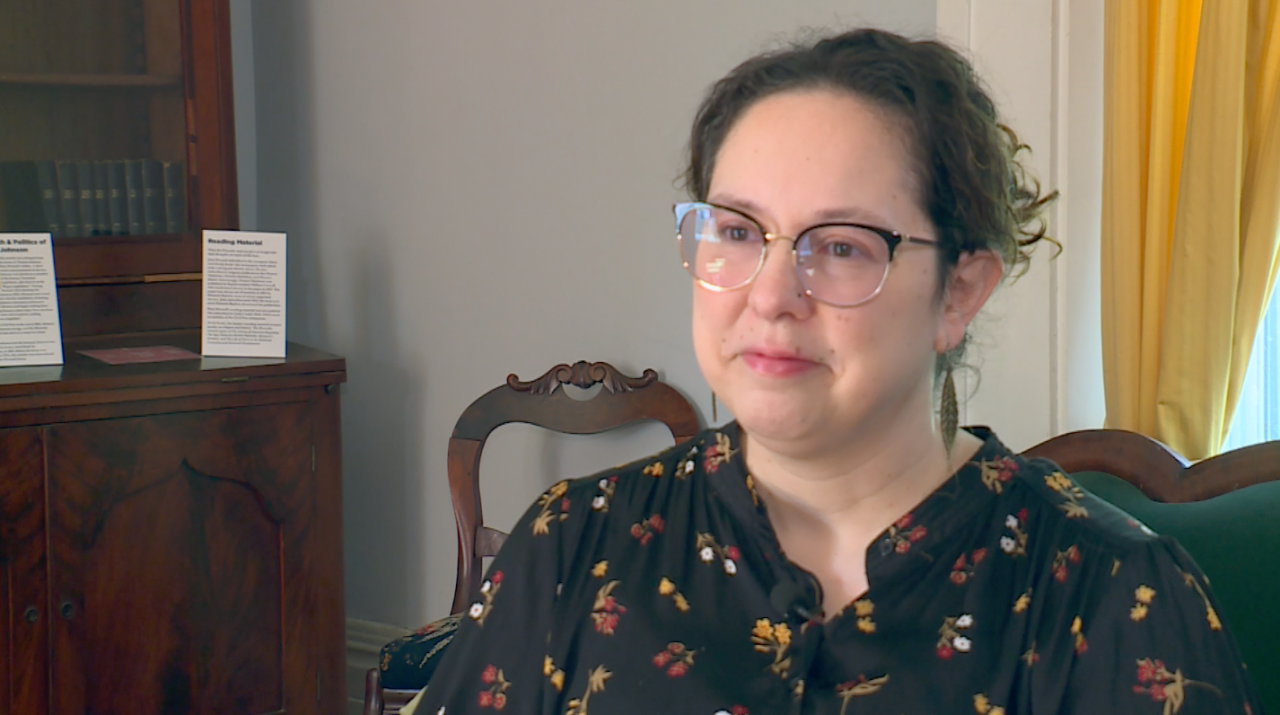
The Wornall House, built in 1858, was once part of a 500-acre farmstead on the frontier. Executive Director and Curator Sarah Bader-King has spent years researching the history of enslavement connected to the site and surrounding county.
"It's something we've researched for many, many years and thought we'd probably never find. It was pure excitement, and then it was a real sense of responsibility," Bader-King said.
I first reported in 2024 on Bader-King's discovery of nine names of enslaved people in Jackson County. That finding led to something far larger.
"That, in turn, turned into a much bigger discovery," Bader-King said.
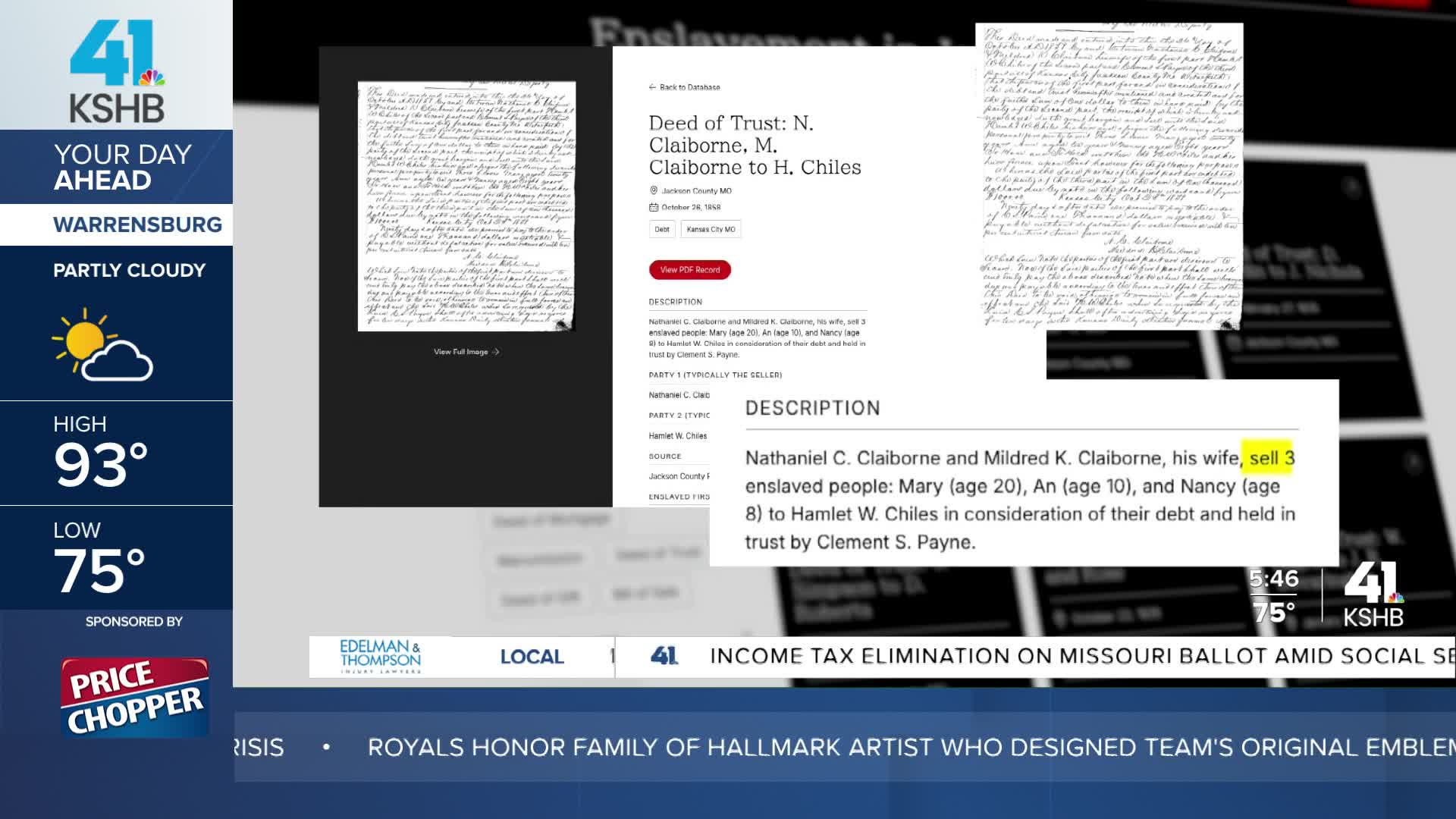
By looking at archived deed records through the Jackson County Clerk's Office, she found them.
"What I ended up discovering [were] the names of hundreds of people who were enslaved in Jackson County," Bader-King said.
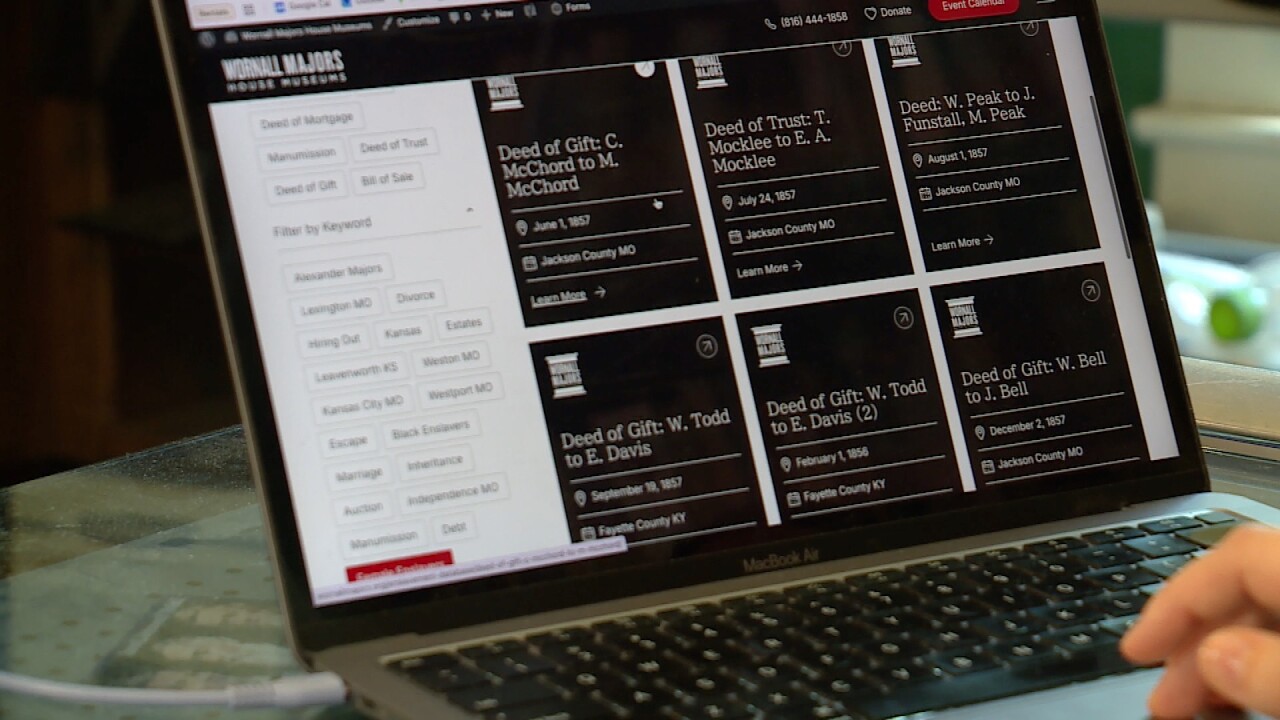
The discovery spans thousands of pages of documents. Bader-King and Jackie Berry, director of community engagement, built the living database from those records.

"Oftentimes, those names are erased, lost to history. [To] put together the names of people who were living in Jackson County was really, really great," Berry said.
Berry described the records at our Let's Talk event in south Kansas City.

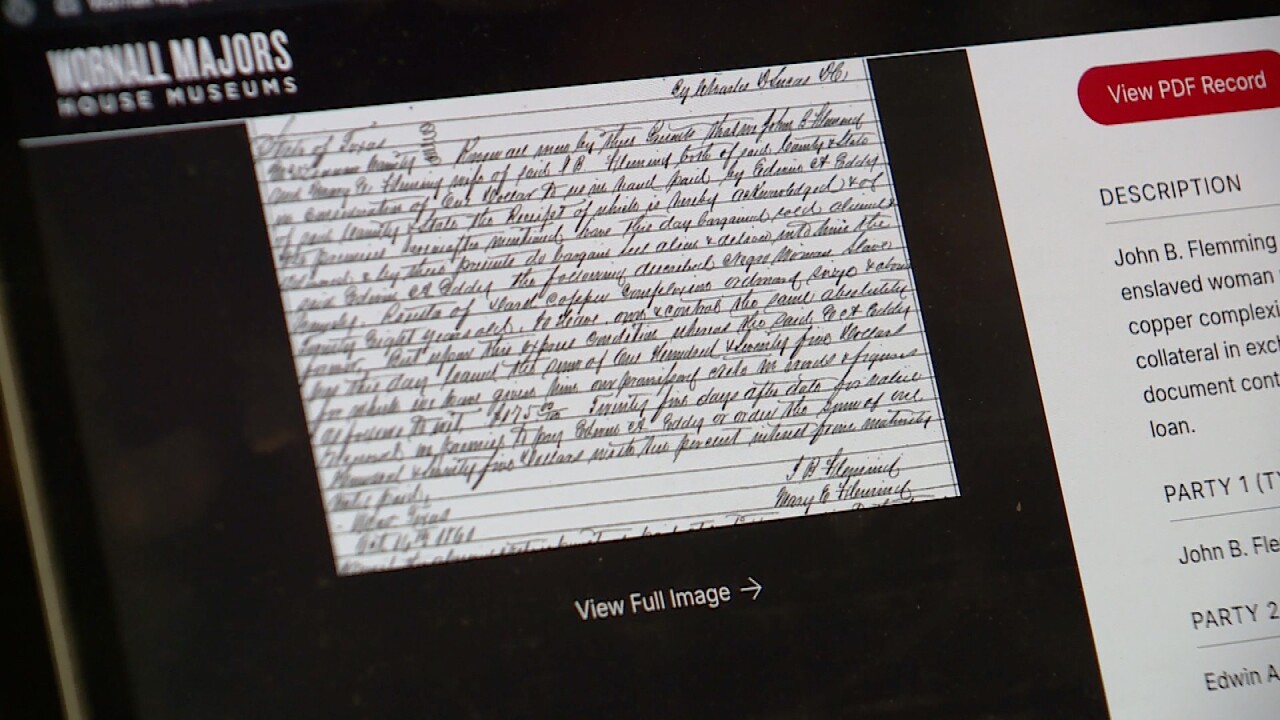
"Cursive written down in a big logbook, then we have digitized scans that are relevant to us," Berry said.
The database represents a significant window into the history of enslavement in Jackson County — a history Berry says is often overlooked.
"A lot of people don't talk about how prevalent it was in Jackson County," Berry said.

At its peak in 1860, the enslaved population made up a significant share of the county's residents.
"In its peak in 1860, 17% of the population of Jackson County was enslaved. That's hundreds of thousands of people, and they kind of got lost in the historic record," Bader-King said.
Bader-King said there were about 4,000 people enslaved in Jackson County in 1860.

Bader-King and her team have received grant funding to continue developing the database and share what they find.
"I do feel responsible in interpreting these people's stories correctly," Bader-King said.

The team hopes the database will serve both genealogical researchers and those seeking a deeper understanding of Missouri history.
"We are really, really hoping it can be useful for people who are researching their own ancestry, but also people who want to understand history better," Bader-King said.
The Alexander Majors House will feature a room dedicated to enslavement on the Missouri-Kansas border, where the documents will be used. The space will also include physical research areas with computers and staff available to assist visitors.
Bader-King said a brief closure is planned at the house in 2027 to make the house more ADA accessible, add a dedicated space for the new research, and erect new outdoor signage detailing the history of the enslaved population.
"We are really trying to up our game," she said. "... This discovery has really opened up a lot of opportunities for us."
This story was reported on-air by a journalist and has been converted to this platform with the assistance of AI. Our editorial team verifies all reporting on all platforms for fairness and accuracy.
—