




KANSAS CITY, Mo. — Missouri voters decided to keep the state’s income tax with the failure of Amendment 5, the Associated Press reports.
The phase-out plan would have taken up to a decade and would have required adding sales and use taxes to certain services, like subscriptions, barbers, veterinarians, HVAC and more.
Leading up to the election, supporters said the elimination of the income tax would give control to Missourians on when to pay taxes. Supporters also expressed belief the move would attract business to the state.
However, those against Amendment 5 said its passage would hurt the working class by adding more taxes to regular purchases. Concern was also expressed for seniors. While many do not currently pay income tax on Social Security, they would have had to pay the added sales and use taxes.
Scott Charton, of Protect Mo Taxpayers, called it a “tax swap” rather than a tax cut.
Another criticism was that Amendment 5 would have given the state legislature power to decide the future of expanded sales and use taxes — not voters.
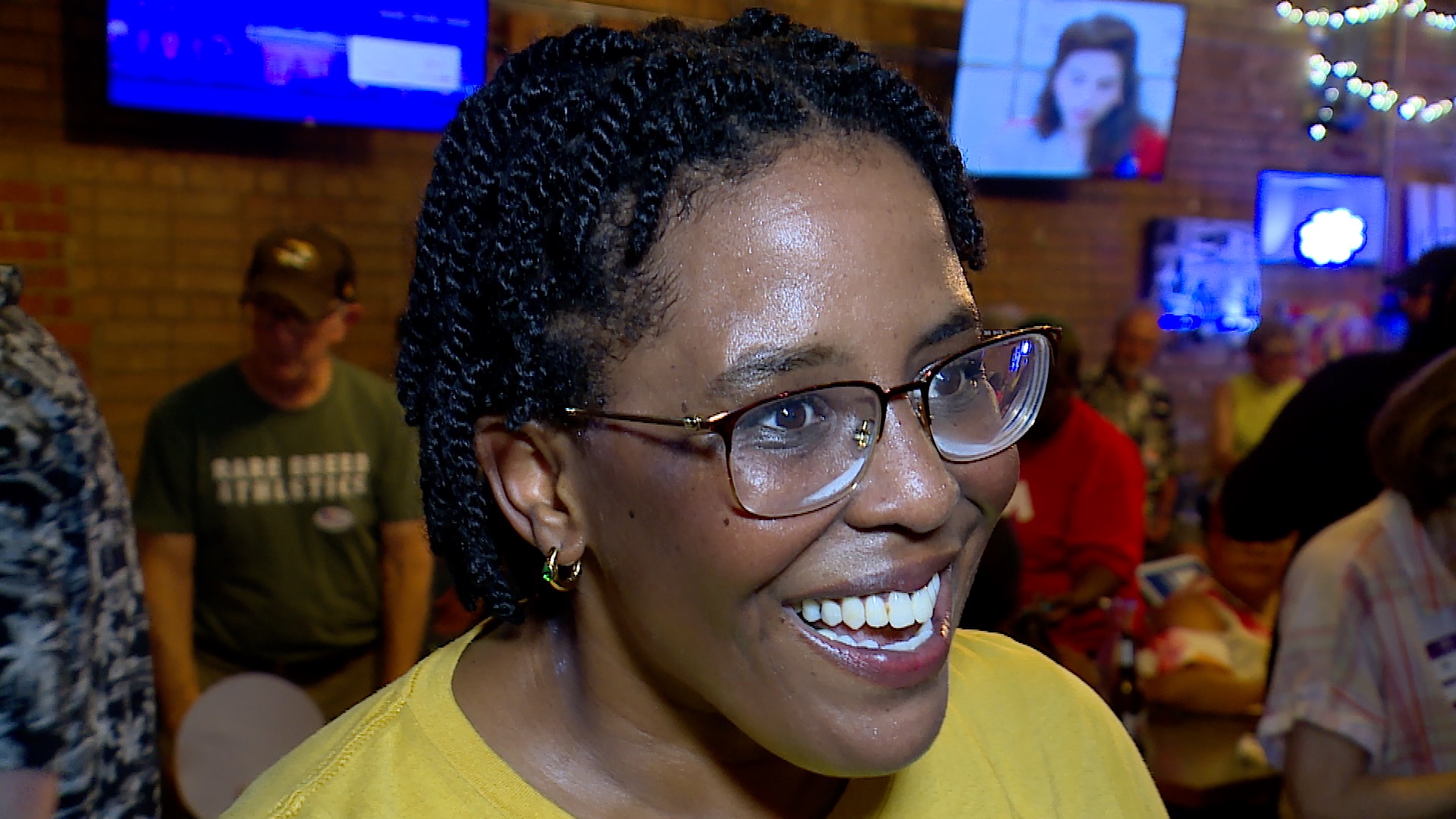
Kathryn Evans, of Parents for Missouri Public Schools, said the failure of Amendment 5 felt "amazing." She's been organizing in Missouri for over a decade, so she's had her fair share of wins and losses.
But Tuesday, she said she was proud of "such a decisive victory so early on in the night."

“I am a parent of a Missouri public school student, and she is the most important thing to me," Evans said. "And every child in Missouri, including her, deserves fully-funded, excellent public schools. When I saw Amendment 5, when I saw what it would do to our state budget, I immediately knew this would be bad for public schools, and we had to stop it.”
Caitlyn Adams, director at Missouri Jobs with Justice Voter Action, echoed Evans' feelings.
“Politicians thought that they could trick us, and Missourians voted and proved tonight that they can’t,” Adams said.

In the wake of defeat, Missouri Promise PAC expressed disappointment.
"While we are disappointed by today's result, our commitment to lowering taxes for Missouri families and strengthening our state's economy remains unchanged," a spokesperson shared via email. "Governor Kehoe deserves credit for thinking big, and we will continue to work alongside him to reduce the tax burden on hardworking Missourians and advance policies that help our state grow and prosper."
Looking forward, Gov. Mike Kehoe believes there's more tax work to be done.
“Throughout this conversation on eliminating the income tax, we made the case that Missouri should think boldly about its future, challenge the status quo, and pursue policies that make our state more competitive," Kehoe said in a statement. "While Amendment 5 did not earn the support it needed, I believe our work is far from over.
"I remain committed to working with the General Assembly in the years ahead on ways to continue cutting taxes, growing our state’s economy, and pursuing conservative policies that help Missouri families keep more of what they earn.”
Below is the exact ballot language voters saw at the polls:
Shall the Missouri Constitution be amended to:
- Require legislative phase-out of the individual state income tax based on revenue growth, and authorize the expansion of sales and use taxes;
- Curtail constitutional limits on taxing goods and services; and
- Require local tax rate cuts without reducing school funding if local sales tax revenue increases?
The proposal has no direct impact on state or local tax revenue. If passed, implementing legislation will have an unknown impact to state and local tax revenue. If implemented, state government entities expect a reduction of $57,000 annually in income tax check-off donations and implementation costs of at least $100,000.
—
![020626_KSHB_Image_NXA_Web_Standard Cube[88].jpg](https://ewscripps.brightspotcdn.com/dims4/default/0ead409/2147483647/strip/true/crop/300x225+0+13/resize/960x720!/format/webp/quality/90/?url=http%3A%2F%2Fewscripps-brightspot.s3.amazonaws.com%2F8f%2F6c%2Ffad8bd2346c5a4d4ead793017d4a%2F020626-kshb-image-nxa-web-standard-cube88.jpg)