



LIBERTY, Mo. — KSHB 41 reporter Fernanda Silva covers stories in the Northland, including Liberty. She also focuses on issues surrounding immigration. Share your story idea with Fernanda.
—
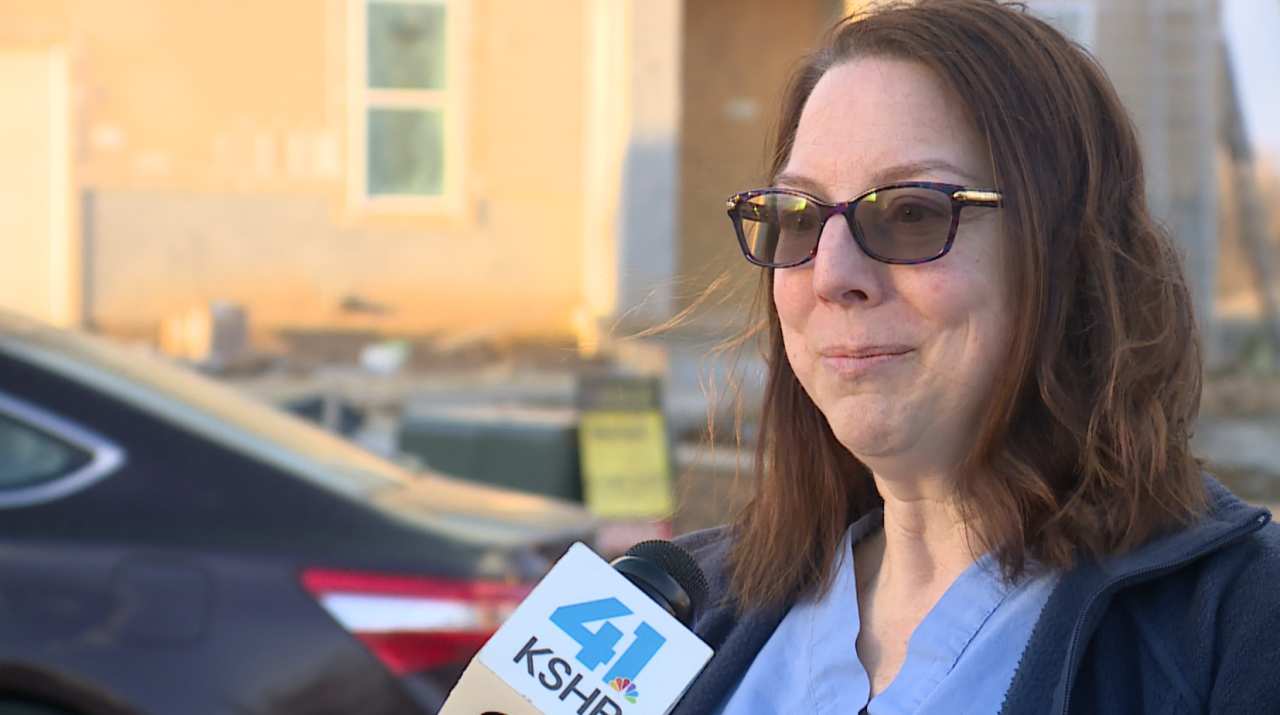
Kathleen Fullerton has lived in Liberty for 18 years, but she only moved to her new neighborhood four months ago. She said she had no idea a data center was proposed to be built less than 2 miles away — until I told her.
"I am concerned with the potential effects on our utilities as far as electric costs, water costs, and also the quality of those utilities. Is that going to be compromised with the data centers?" Fullerton said.
Fullerton is not alone. Many of her neighbors I spoke with also had not heard about the proposed development.
The project would be Liberty's first data center — a 2-story, 177,000-square-foot building on approximately 29 acres at 2515 Old Hughes Rd.
It is the first of a three-building proposal for the site, developed by Metrobloks.
The City has approved the project, and the developer has obtained planning approvals. The next step is permitting, though building permits have not yet been submitted, according to the City.
Liberty Mayor Greg Canuteson addressed the project during Liberty's State of the City, calling it a landmark investment.
"It'll be the largest investment in the history of Liberty. The investment will be somewhere between $1.5 and $8 billion," Canuteson said.

The mayor also emphasized that the deal is not yet finalized and that this project is different from the large-scale data centers that have drawn criticism in other communities.
"It's not a hyperscaler data center," he said. "This is not the type of data center that uses lots of water. So a lot of the issues that other communities have do not exist in this project."
Canuteson continued, "We feel like we've struck the right balance between data centers and the community, and we think that this is going to be a great addition to the community."
According to the City, the project differs from the mega data centers that have been built or are under construction in the metro area in several key ways.
According to the City on Facebook, mega data centers are often situated on several hundred acres and cover more than 1 million square feet under roof.

The first building, they say, will be a 2-story building totaling 177,000 square feet, with 88,500 square feet per floor. The total project area is approximately 29 acres.
The City says some larger data centers may utilize cooling systems that consume millions of gallons of water per day. This project will employ a closed-loop system, meaning they will fill the system once and then reuse the water, according to the City.
They say mega centers can use up to 1,000 megawatts of electricity per day. This project, across all three buildings, is expected to use 150 megawatts per day, according to the City.
Hope Martin, engineering design manager with Metrobloks, spoke to council leaders in December and described the project's approach.
"We have sustainability as a focus of ours," Martin said.
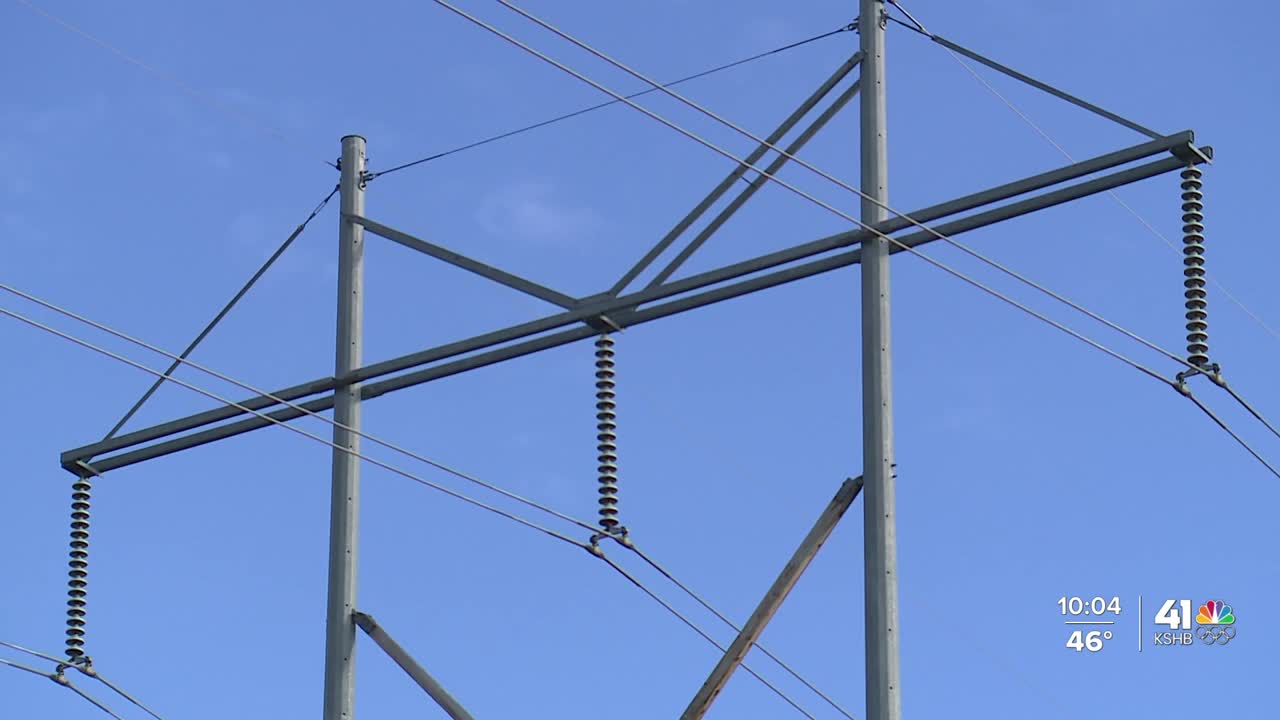
She said Metrobloks is working with Evergy on power needs.
"There will be power upgrades that need to be made to support our site. However, we pay for all those upgrades so that cost isn't put onto others," Martin said.
Evergy says that for large data centers using 75MW or more of electricity, they have established rates where "they pay a premium over other large customers, which helps hold costs down for customers overall."
According to Evergy, the rate also includes terms that "protect existing customers from shouldering any potential additional costs related to bringing large customers onto the grid."
On water, Martin said the closed-loop cooling system is designed to minimize consumption.
"It gets filled up one time during construction, that water gets recycled continuously, and it has minor losses to evaporation, but less than what a residential house would use," Martin said.
I reached out to Metrobloks for comment, but did not hear back. The project is expected to be ready for service by the end of the year.
This story was reported on-air by a journalist and has been converted to this platform with the assistance of AI. Our editorial team verifies all reporting on all platforms for fairness and accuracy.
—

![092126_KSHB_WX_480x360[61].jpg](https://ewscripps.brightspotcdn.com/dims4/default/79e7fad/2147483647/strip/true/crop/480x360+0+0/resize/960x720!/format/webp/quality/90/?url=http%3A%2F%2Fewscripps-brightspot.s3.amazonaws.com%2F6f%2F6d%2Fa3758caf4c0984b0ecf100f620d1%2F092126-kshb-wx-480x36061.jpg)