



KANSAS CITY, Mo. — KSHB 41 reporter Charlie Keegan covers politics in Kansas, Missouri and at the local level. Share your story idea with Charlie.
—
Every time someone buys something in Jackson County, Missouri, a quarter-cent sales tax goes toward anti-crime efforts — including a county-wide drug task force.
Over the past five years, that task force has seized 48,000 grams of fentanyl. The DEA says one gram of fentanyl can kill up to 500 people by overdose.
The COMBAT sales tax (Community Backed Anti-crime Tax) is the drug task force's main funding source. Since 1989, it has collected about $31 million per year. That money also goes toward neighborhood programs, violence prevention initiatives and addiction treatment.
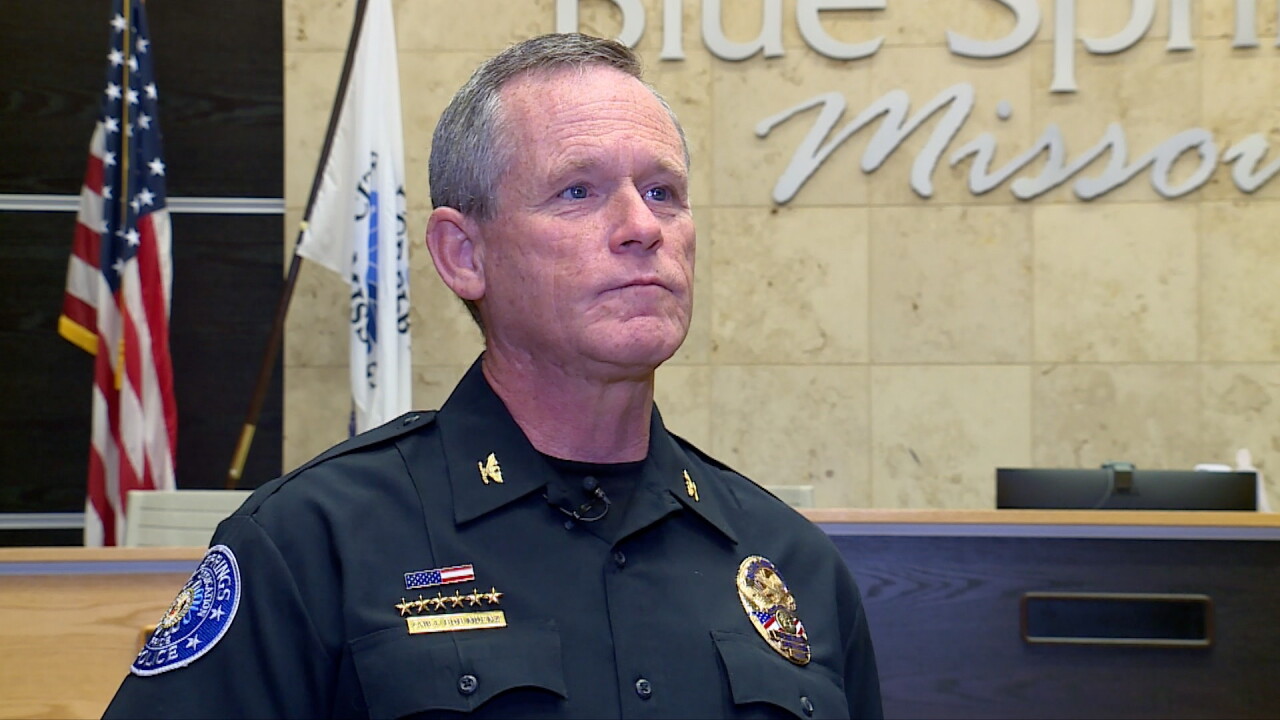
Blue Springs Police Chief Bob Muenz chairs the Jackson County Drug Task Force Board of Directors. He said the tax funds efforts that go beyond drug enforcement.
"Their focus is not only drugs, but on violent crime and reducing that violent crime through their investigation of drugs, taking weapons off streets, taking drug dealers off the street," Muenz said.
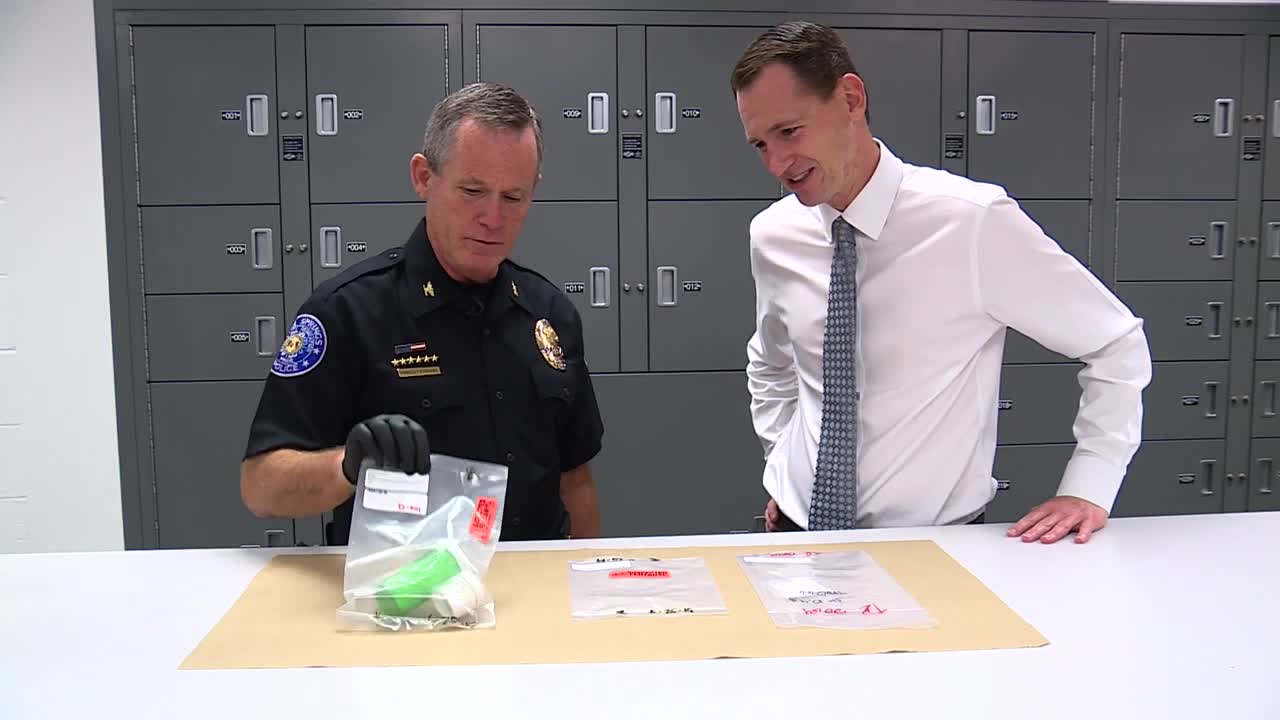
Muenz showed KSHB 41 News the Blue Springs Police Department's evidence office, where bags containing meth and suspected fentanyl were on display.
"That's a lot of drugs off the street," Muenz said.
He said every seizure has real consequences for public safety.
"Every time we take a fentanyl pill off the street, I think that's a life saved," Muenz said.

Emily Hage runs First Call, an addiction treatment organization that receives funding through the COMBAT sales tax. She said when one person is addicted to a drug like fentanyl, it impacts 10 others.
"It's having a huge impact on maybe their employer, their kids, their spouse," Hage explained.
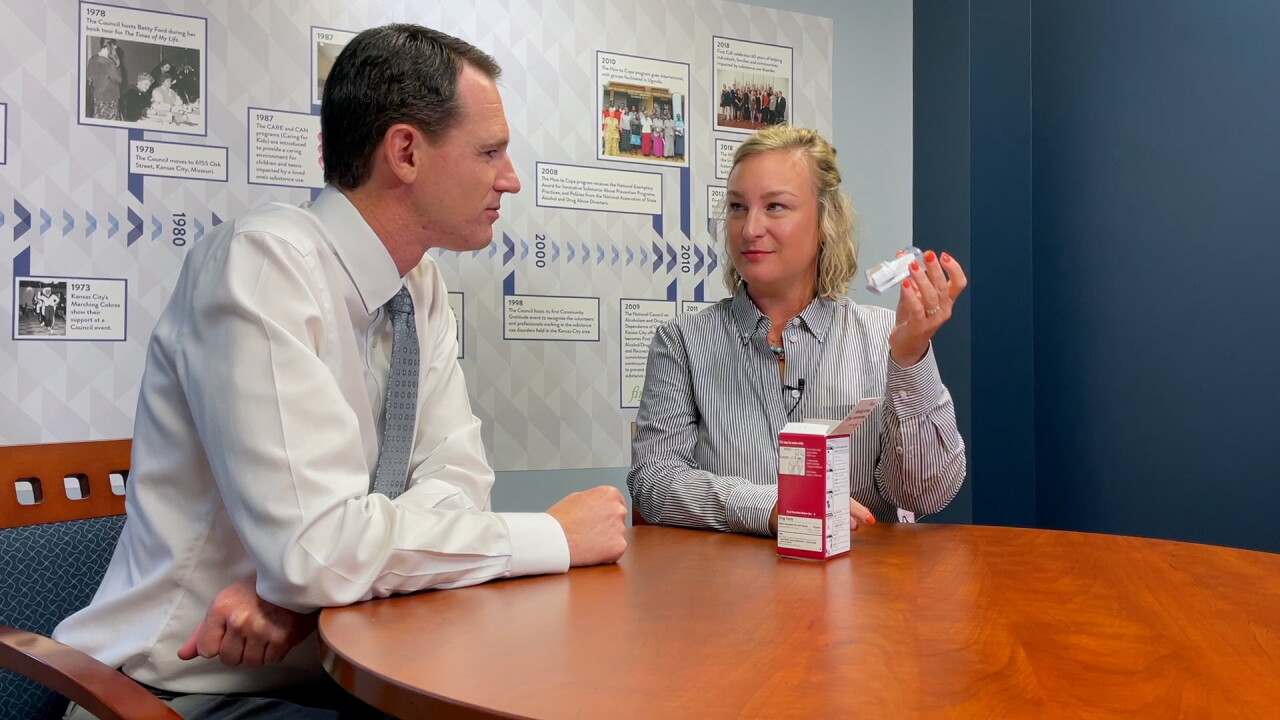
Hage and Muenz both acknowledged that voters will scrutinize any sales tax measure, especially with rising gas prices and cost of living. But they pointed out the tax is a renewal, not an increase. They say success stories like addicts finding sobriety or taking drugs off the street demonstrate the tax's value.
"That's what fuels all of us every day," Hage said.
Voters will see the tax renewal on the Nov. 3 ballot as Question 1. If voters say no, the tax will end in March 2027.
Here's the ballot language:
"Shall Jackson County continue its anti-crime sales tax, commonly known as COMBAT, at the rate of one-quarter of one cent for a period of ten years for the purpose of promoting and providing public safety within Jackson County, including the prevention and treatment of drug abuse and addiction and the prevention, investigation, prosecution, and detention of violent criminals and drug dealers? The proceeds of this tax shall be deposited in a special Jackson County Anti-Crime Sales Tax Trust Fund, separate from the general fund or any other county funds."
This story was reported on-air by a journalist and has been converted to this platform with the assistance of AI. Our editorial team verifies all reporting on all platforms for fairness and accuracy.
—
![020626_KSHB_Image_NXA_Web_Standard Cube[88].jpg](https://ewscripps.brightspotcdn.com/dims4/default/0ead409/2147483647/strip/true/crop/300x225+0+13/resize/960x720!/format/webp/quality/90/?url=http%3A%2F%2Fewscripps-brightspot.s3.amazonaws.com%2F8f%2F6c%2Ffad8bd2346c5a4d4ead793017d4a%2F020626-kshb-image-nxa-web-standard-cube88.jpg)