



KANSAS CITY, Mo. — KSHB 41 reporter Charlie Keegan covers politics in Kansas, Missouri and at the local level. Share your story idea with Charlie.
—
A group of Kansas City council members gave preliminary approval Monday to a plan to add more transparency to legal settlements made by the police department.
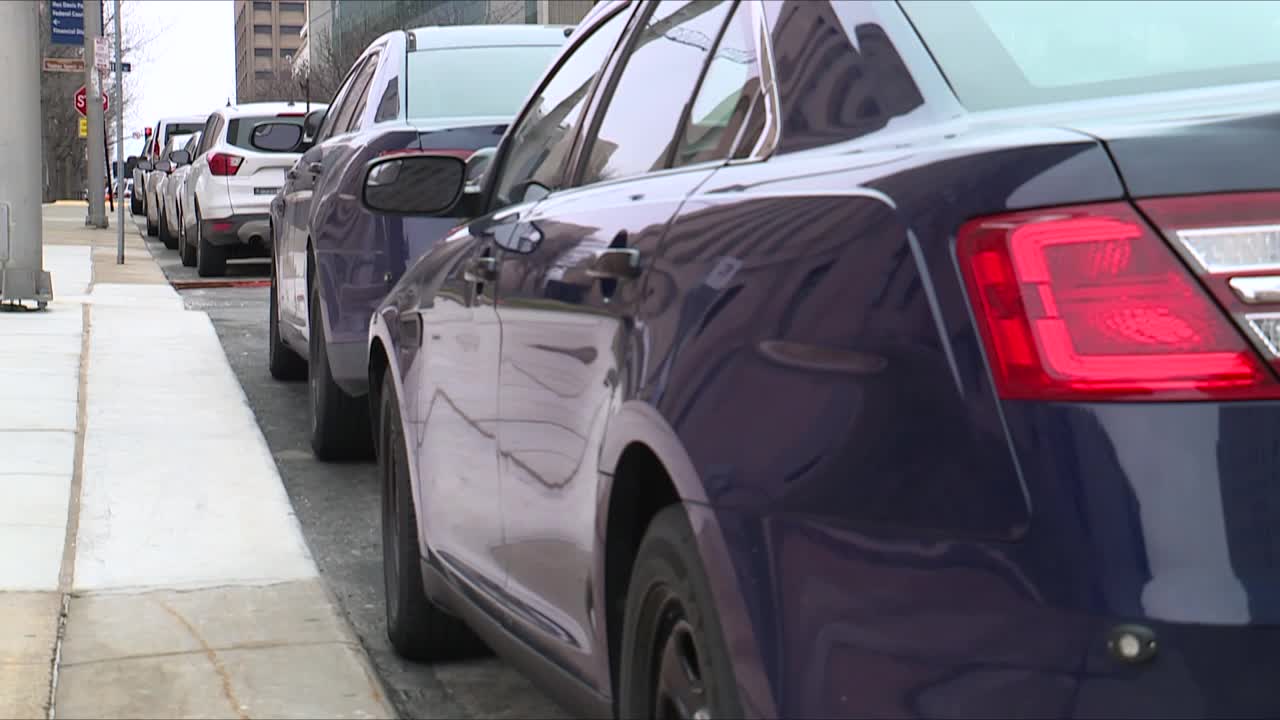
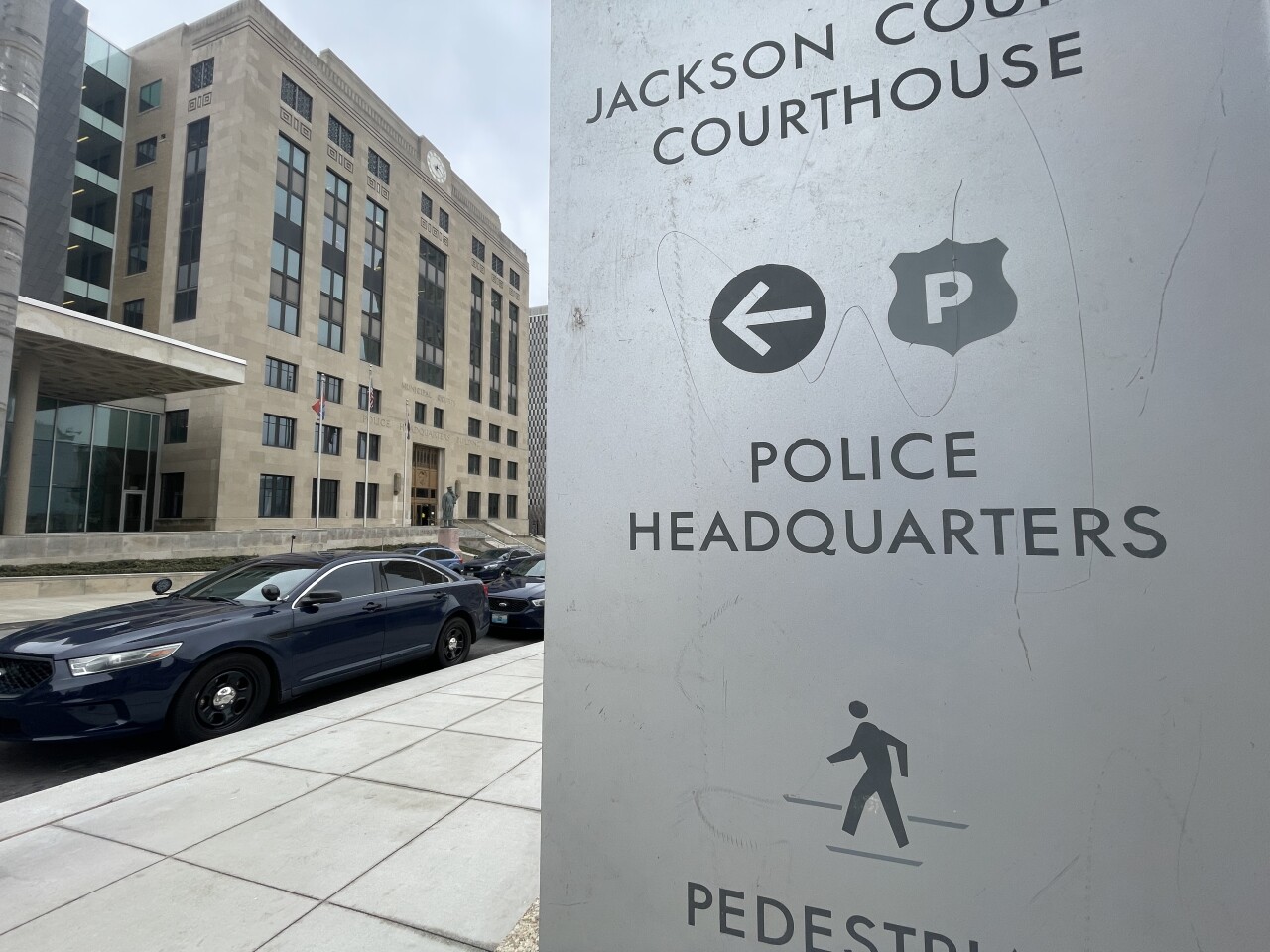
This year, the Kansas City, Missouri, Police Department has paid more than $10 million in settlements. During a meeting last month, Police Chief Stacey Graves explained these settlement payments are one reason the department asked for more money to finish out the fiscal year.
State law mandates Kansas City set aside 25% of its general fund to pay for the police department. This year, the mayor proposes giving KCPD 27% of the city's general fund total.
The ordinance presented Monday puts that supplemental 2% in a new “KCPD overage” fund under the control of the city council. That fund will pay for police settlements, leaving the state-mandated 25% for police salaries, equipment and other department needs.
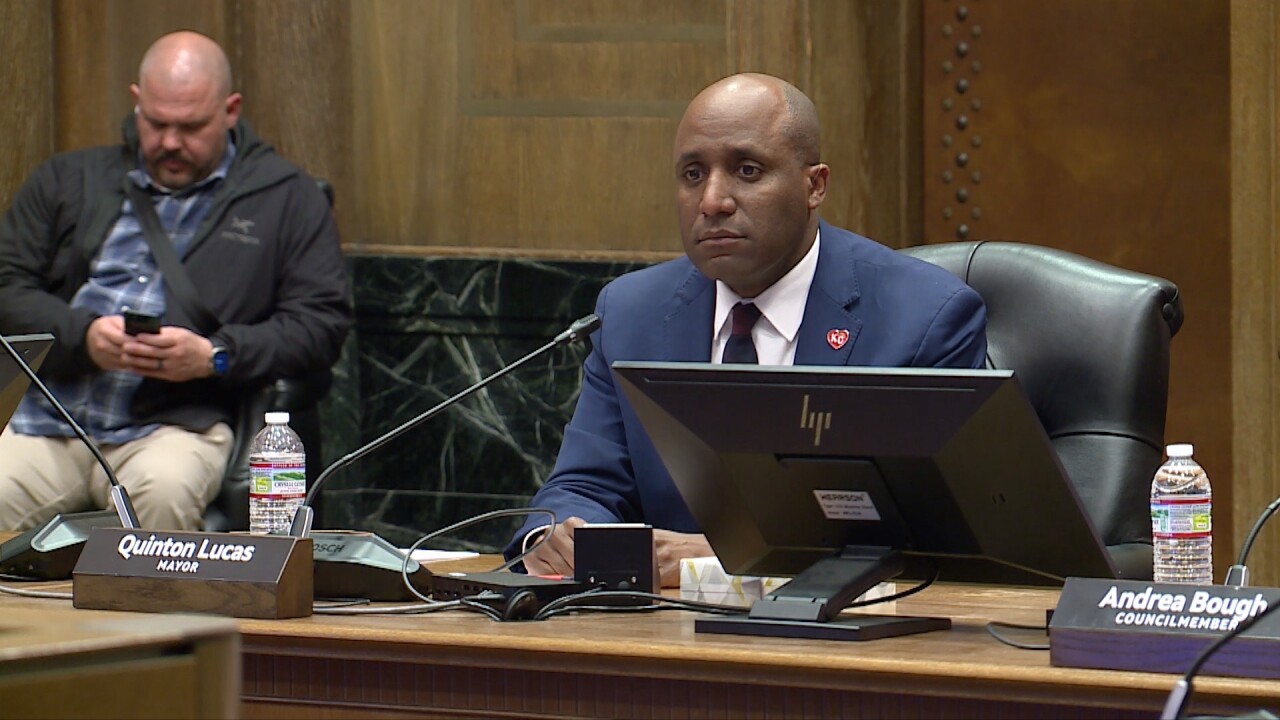
Mayor Quinton Lucas hopes funding lawsuits from the overage fund will put more attention on the settlements, and thus more public pressure on the police department to make systemic changes to avoid future lawsuits.
“Maybe the more lawsuits and settlement lawsuits see the light of day, the less we’ll get into the type of trouble that leads us to that in the first place,” Lucas surmised.
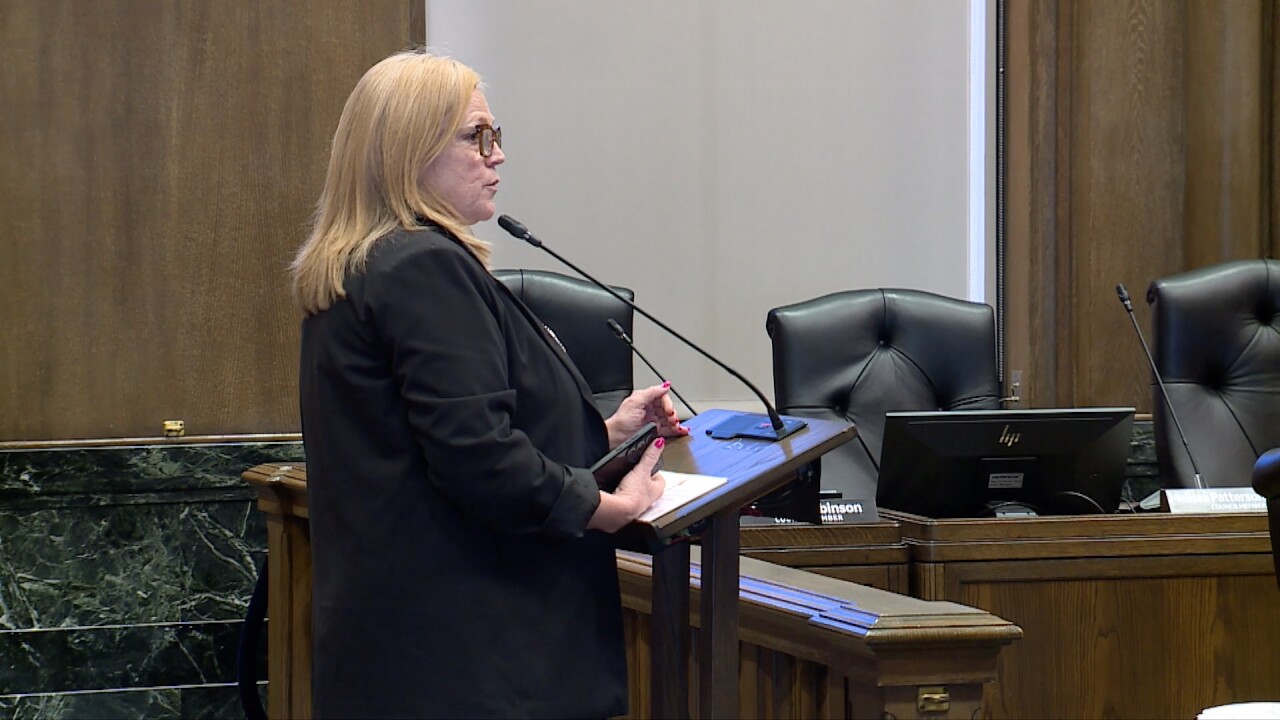
The Metro Organization for Racial and Economic Equity (MORE²) testified against the proposal.
They’re concerned this policy gives the city more latitude to pay for settlements instead of forcing the police department to make changes to avoid future lawsuits.
“It makes no ever-loving sense,” More2 Executive Director Lora McDonald said. “As a parent, I’m not going to pay for my son’s wrongdoing and not be able to scold him. That’s what we’re setting ourselves up to do.”
Tom Whittaker, president of the Board of Police Commissioners, said he looks forward to learning more about the ordinance.
—

![092126_KSHB_WX_480x360[61].jpg](https://ewscripps.brightspotcdn.com/dims4/default/79e7fad/2147483647/strip/true/crop/480x360+0+0/resize/960x720!/format/webp/quality/90/?url=http%3A%2F%2Fewscripps-brightspot.s3.amazonaws.com%2F6f%2F6d%2Fa3758caf4c0984b0ecf100f620d1%2F092126-kshb-wx-480x36061.jpg)