

KANSAS CITY, Mo. — KSHB 41 reporter Megan Abundis covers Kansas City, Missouri, including neighborhoods in the southern part of the city. She also focuses on issues regarding scams. Share your story idea with Megan.
—
While thousands of fans packed stadiums, watch parties and Fan Fest locations during the FIFA World Cup, a behind-the-scenes operation was working around the clock to help keep the event running safely.
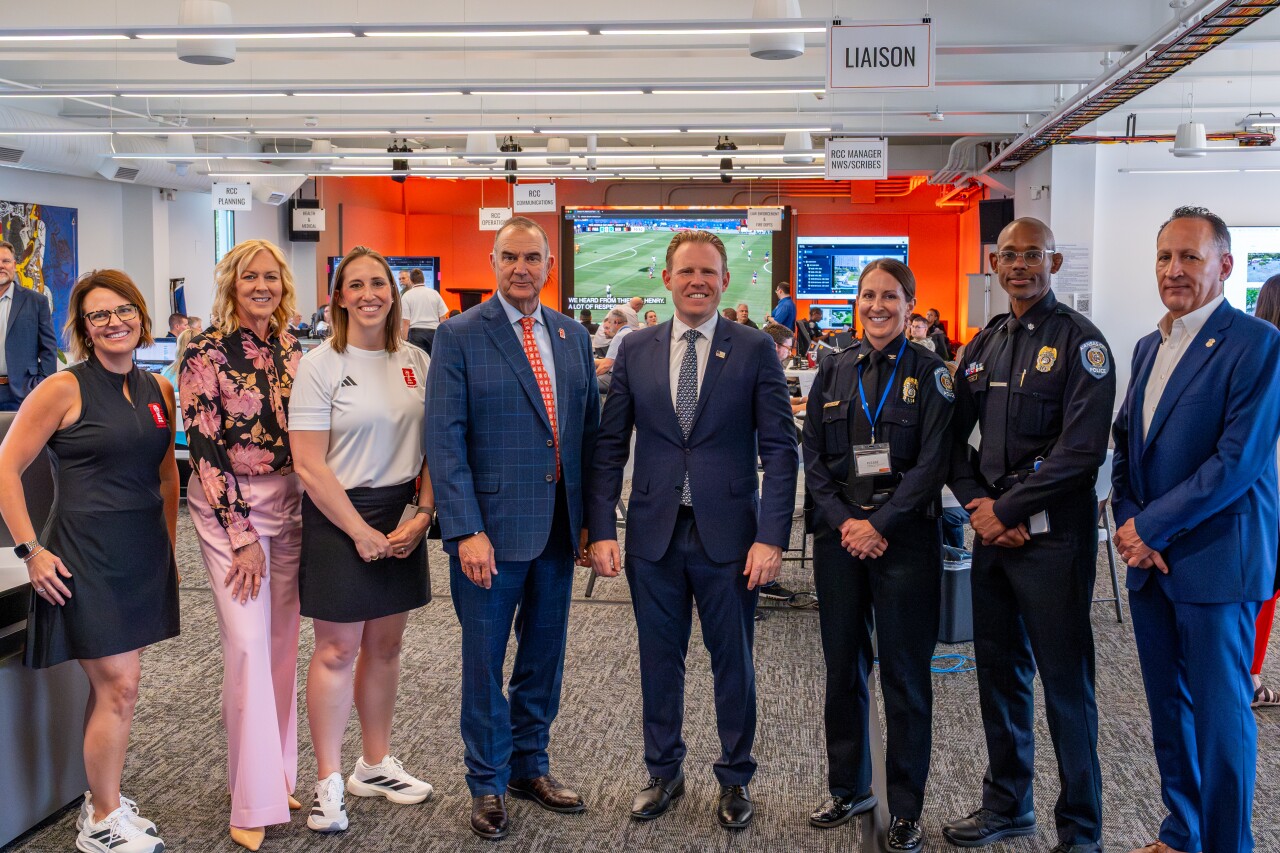
For 42 days, Secure Passage transformed its Martin City headquarters into a Joint Operations Center.

“For 42 days we were deployed here in our joint operations center,” said Kirk Cerny, president of Secure Passage.
According to Cerny, about 100 people filled the operations center during the tournament, with planning efforts beginning months before the first match.
“Security, law enforcement, fire, emergency management, medical, communications and transportation, all in one place. It was a perfect setup that any host city has seen,” Cerny said.
The operation marked a sharp turnaround from when state and local leaders had to address concerns of Kansas City's readiness to host one of the world's largest sporting events.

“About a year ago there was a lot of talk in our preparedness for a World Cup, people were saying Kansas City is behind,” Cerny said.
In 2025, I sat down with Cerny after Secure Passage technology was used in Super Bowl host cities and previous large-scale events. Cerny said his tech could help Kansas City's World Cup efforts.
In February 2025, Cerny said: “With FIFA and the World Cup we would certainly enhance the experience,” Cerny said.
During the World Cup tournament, the company's technology was embedded in Kansas City and six host cities, including Dallas, Houston, Miami, Bay Area, and Los Angeles, helping connect agencies and share information across multiple jurisdictions.
“All of that data as it's shared and as it's needed,” Cerny said.
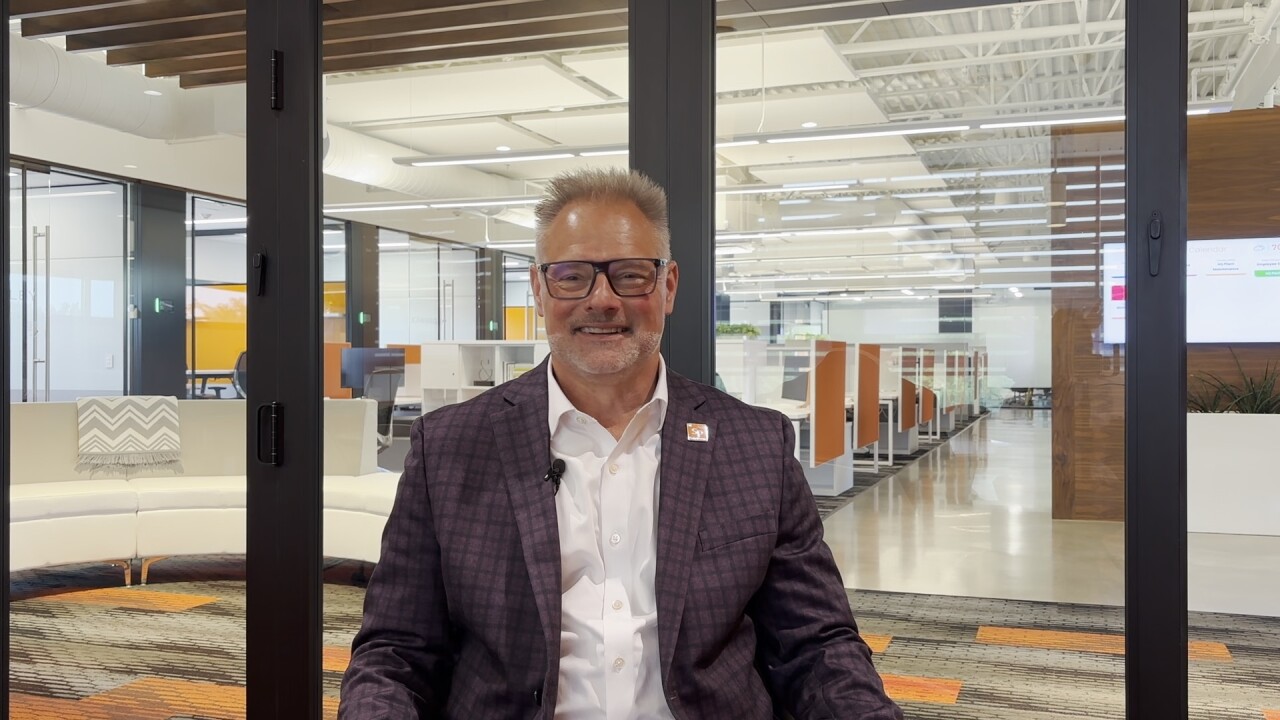
The technology continuously analyzed information to provide situational awareness for security teams.
“Constant evaluation of identity information and other kind of security detail,” Cerny said.
Cerny describes the operation as a 24/7 effort monitoring people, places and things to assess potential risks.
He compared the scale of Kansas City's World Cup responsibilities to hosting six Super Bowls at once, with operations tracking activity from team base camps to Fan Fest events and match venues.
One of the biggest advantages, he said, was faster communication and response times.
“It didn't have to come by radio, text, email,” Cerny said.
The technology helped agencies quickly share information when incidents occurred.
“One of the very first days of Fan Fest a young mother went into labor in the sidewalk,” Cerny said. Most incidents involved medical emergencies, injuries or lost children, according to Cerny.
He credits the success of the operation to unprecedented coordination among federal, state, county and local partners.
Funding for the effort came from several sources, including federal support, local investments, corporate sponsorships and private dollars.
“When it comes to funding everything, I would say Kansas City probably spent several hundred million dollars. We had millions of dollars come in from the federal government but there were a lot of inputs locally that made this possible,” Cerny said.
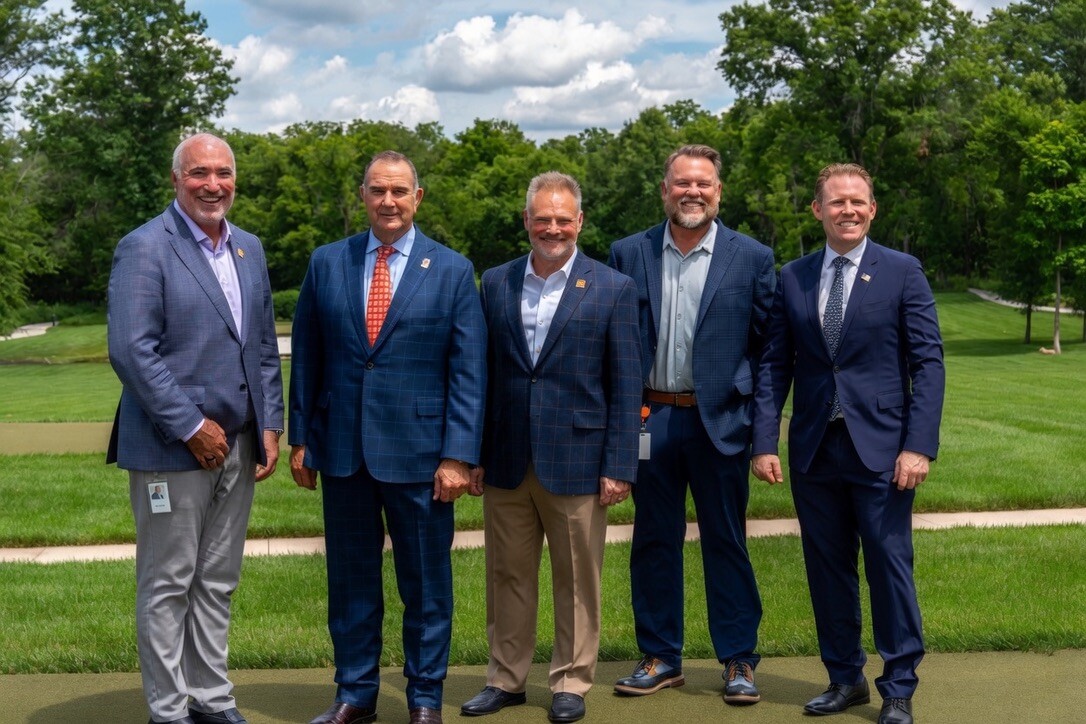
Cerny said a White House task force helped support portions of the operation. Cities also raised money while private organizations and sponsors contributed resources. Secure Passage donated the use of its headquarters for the Joint Operations Center.
At the center of the effort was Secure Passage's technology platforms, Haystax and Truman, which coordinate large amounts of information from agencies and security partners.
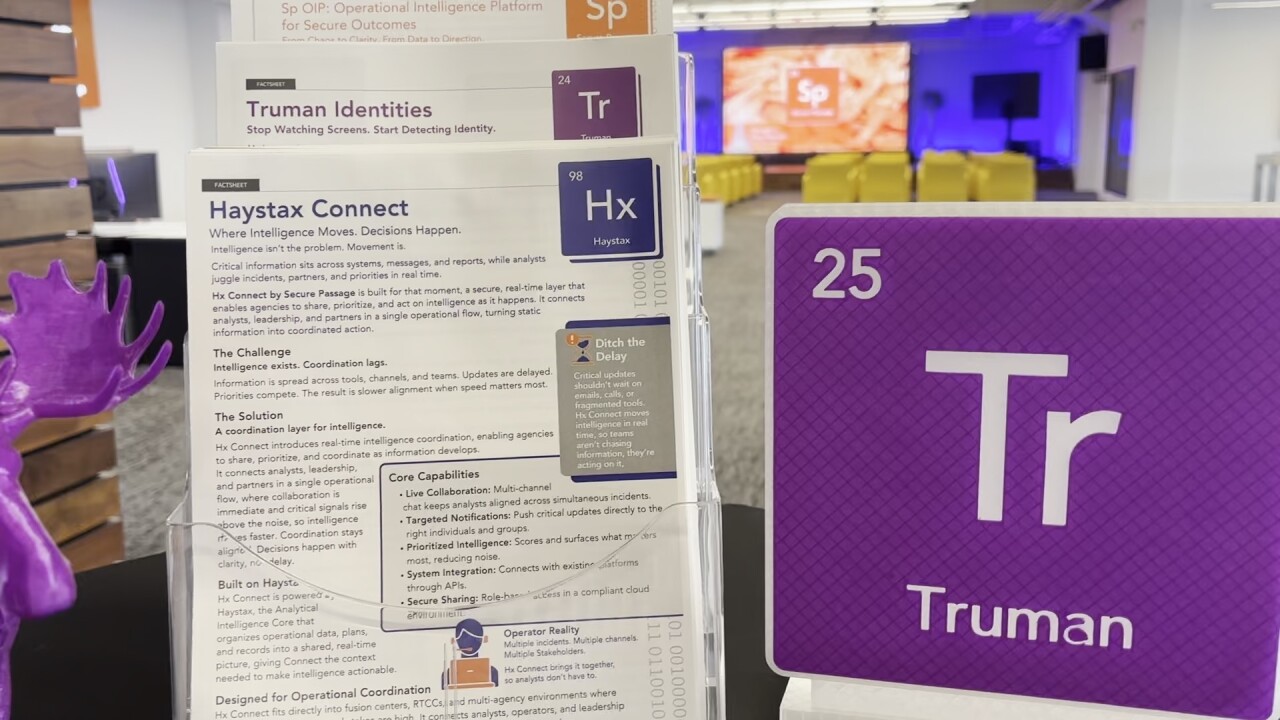
“This is where the integrated tech of cameras and different kinds of sensors, drones, robots, in fact, we have robots here at HQ, that will become a part of the fabric,” Cerny said.
The system integrates information from cameras, sensors, drones and robotic technology, helping create what Cerny describes as a more connected security network.
As the World Cup concludes, Cerny believes Kansas City's performance has positioned the region to pursue even bigger events in the future.
He says the city is now well-positioned to host future global events, including a Women's World Cup or another Super Bowl.
For Secure Passage, the operation showcased how a homegrown South Kansas City company helped provide an invisible layer of protection during the largest event in Kansas City history.
—