




KANSAS CITY, Mo. — KSHB 41 reporter Grant Stephens covers downtown Kansas City, Missouri. He also focuses on stories of consumer interest. Share your story idea with Grant.
—
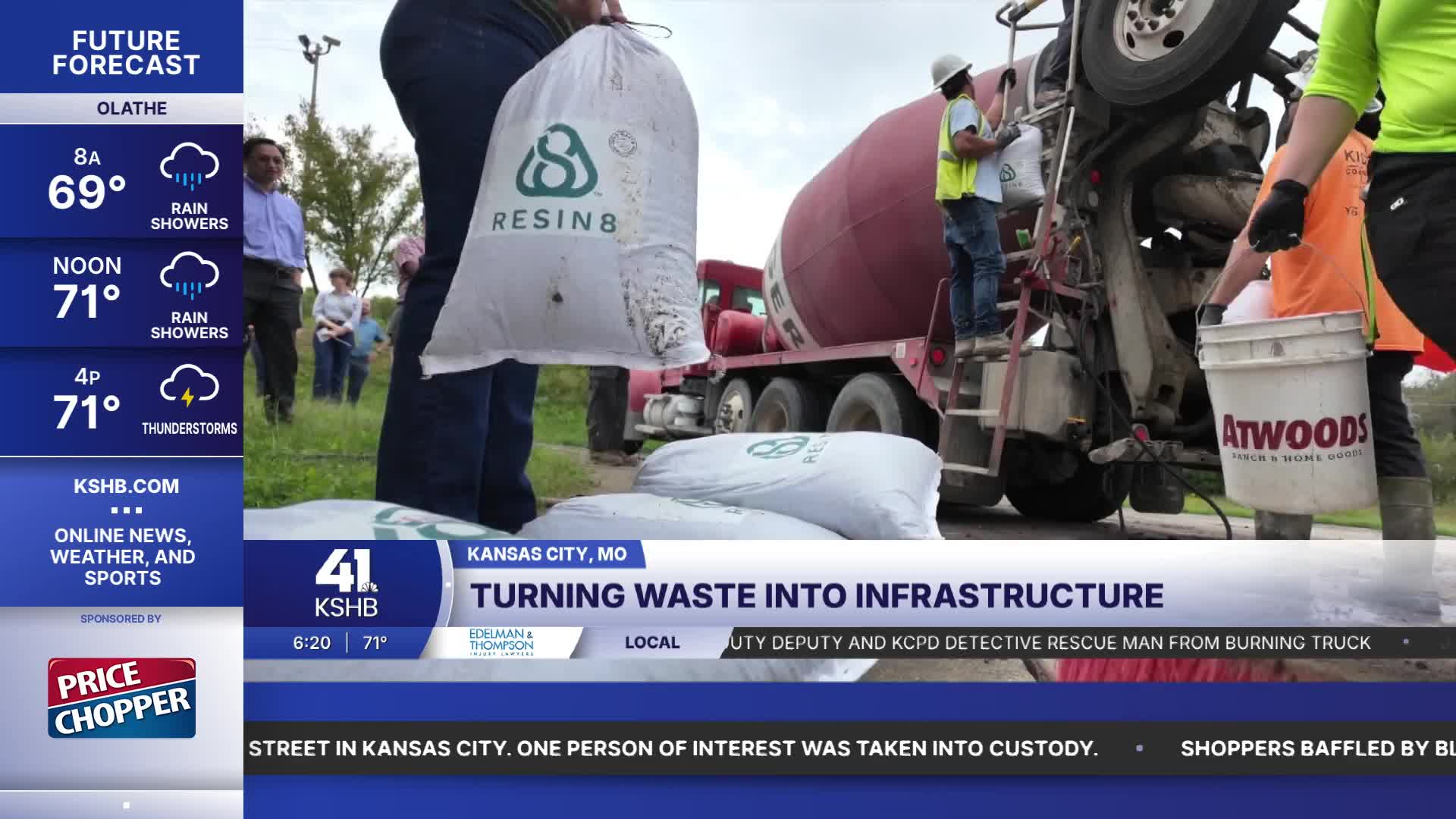
Workers at Bridging the Gap, a Kansas City recycling facility, poured a new sidewalk slab Wednesday morning using a material made from recycled plastics, part of a growing effort to turn local waste into local infrastructure.
The plastic waste is shredded and melted down into a sand-like aggregate, then mixed into concrete.
Through her nonprofit Live Green USA, Olivia English has spent years pushing cities to test plastic-modified roads and sidewalks. She says a key distinction with the Kansas City project is that the city's waste stream is staying local instead of being shipped elsewhere.
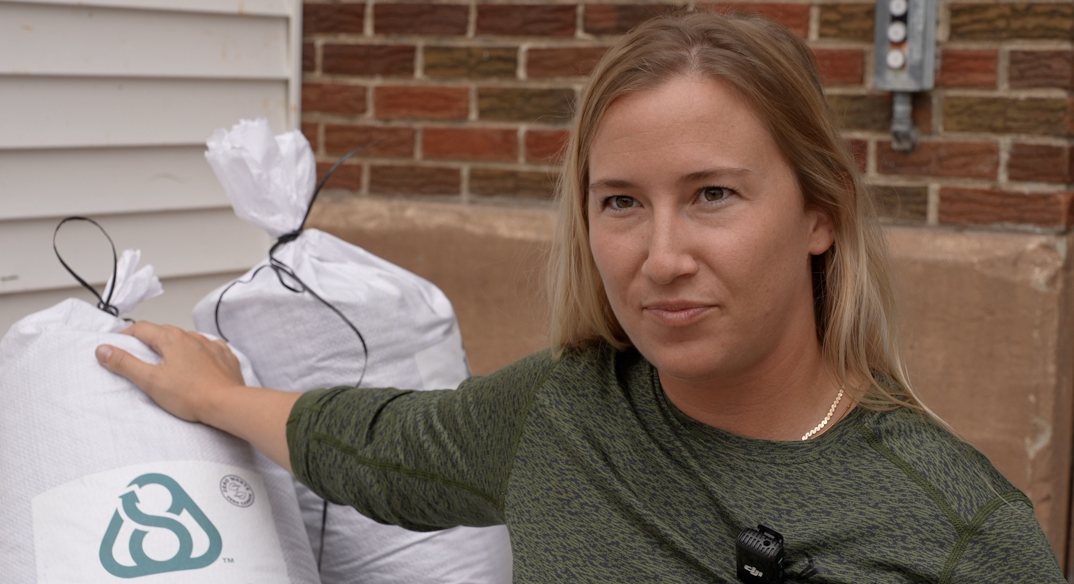
"These single-use plastics are designed to be thrown away. But yet the molecular structure promises that it will last for centuries. So why not put that right in the roads here in our own backyard," English said. "Seeing it really come full circle today, we are using local Kansas City plastic waste into a local Kansas City sidewalk. It shows that closed loop for me.”
Bridging the Gap partnered on the project, hoping to prove recycling can become more visible and more useful to everyday residents.
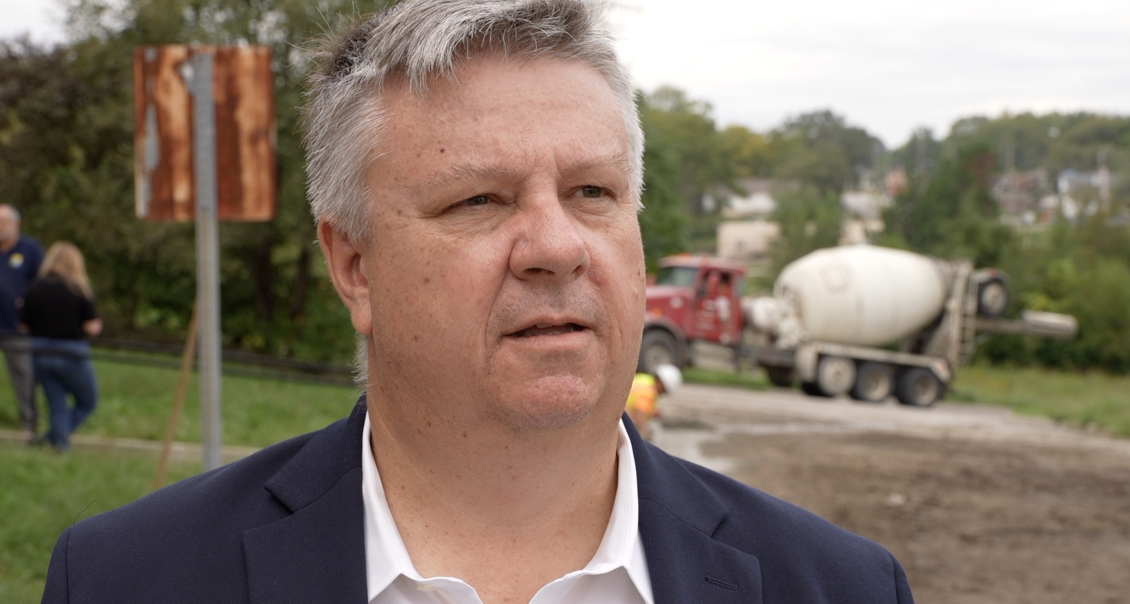
"For us, the big deal is taking that concept and beginning to bring it to scale," said Scott Wagner, Bridging the Gap director. "So these sidewalks that you see today could be sidewalks that are being poured in your neighborhood tomorrow using maybe the same thing that you threw away just a few weeks ago."
The potential benefits stack up quickly: less landfill waste, less shipping and infrastructure that could last longer before needing repairs.
"What would you rather pay for: improved infrastructure or something that ends up in a landfill?" Wagner said.
English's next steps are to continue pushing for this to be adopted in cities like Kansas City. The initiative has already paved two pilot roads over the last few years.
This story was reported on-air by a journalist and has been converted to this platform with the assistance of AI. Our editorial team verifies all reporting on all platforms for fairness and accuracy.
—

![092126_KSHB_WX_480x360[61].jpg](https://ewscripps.brightspotcdn.com/dims4/default/79e7fad/2147483647/strip/true/crop/480x360+0+0/resize/960x720!/format/webp/quality/90/?url=http%3A%2F%2Fewscripps-brightspot.s3.amazonaws.com%2F6f%2F6d%2Fa3758caf4c0984b0ecf100f620d1%2F092126-kshb-wx-480x36061.jpg)