





KANSAS CITY, Mo. — KSHB 41 News anchor/I-Team reporter Sarah Plake covers a wide range of stories in the Kansas City area. Send Sarah an email.
—
KSHB 41 got a tip that the Missouri Department of Transportation was cutting trees down in preparation for the World Cup.
That might sound a little jarring. But, we did some digging and it turns out, experts say it’s needed and necessary.
Since October, MoDOT has spent $2.6 million cutting down trees and removing shrubs.
"Basically, we're just trying to catch up on deferred maintenance," Greg Bolon, MoDOT District Engineer, said. "It's all part of an effort just to kind of take our right-of-way back, but it doesn't hurt that World Cup is coming."
What MoDOT is cutting down is invasive overgrowth. It’s what you tend to see on the side of the highway, in the rights-of-way, and near entrance and exit ramps.
"Especially near roadsides, that's all disturbed soil," Chuck Conner, Community Forester with the Missouri Department of Conservation, said.
It's overgrowth the state gets numerous complaints about.
"Anything we can do to suppress invasive species is good," Conner said.
Conner said what MoDOT is targeting sounds on track with typical invasive species removal: bush honeysuckle, callery pear, ash, tree of heaven, white mulberry, and eastern red cedar.
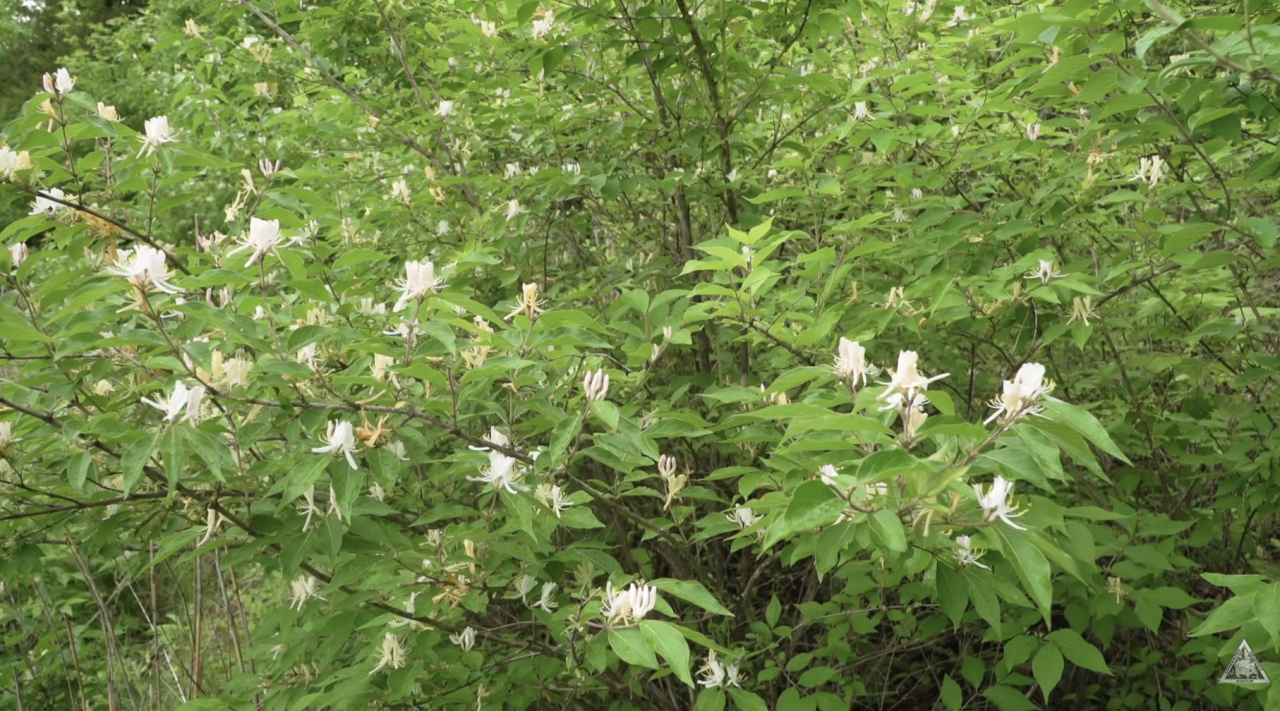


"'Cause even though they come back in time, once you go in and remove them, you're allowing natives, for a period of time, to take over and keep that food web intact," Conner said.
When invasive species take over native plants, Conner says they are breaking the food web because insects aren't biologically adapted to eating and digesting those invasive plants. That results in a loss of insects.
"What they used to eat is gone and replaced by something they haven't evolved the capacity to eat," Conner said.
There’s nothing inherently wrong with ash trees – but they’re being removed due to the Emerald Ash Borer, a beetle that’s slowly killing them.

Although red mulberry trees are native to our area, white mulberry trees are not. White mulberry trees are from Asia and have started to take over red mulberries, cross-breeding and creating hybrids.

Eastern Red Cedars are native to our area but are becoming aggressive because they aren't being kept in check by fire. Conner explains with human habitation, we've taken fire control out of a traditional tall grass prairie ecosystem.
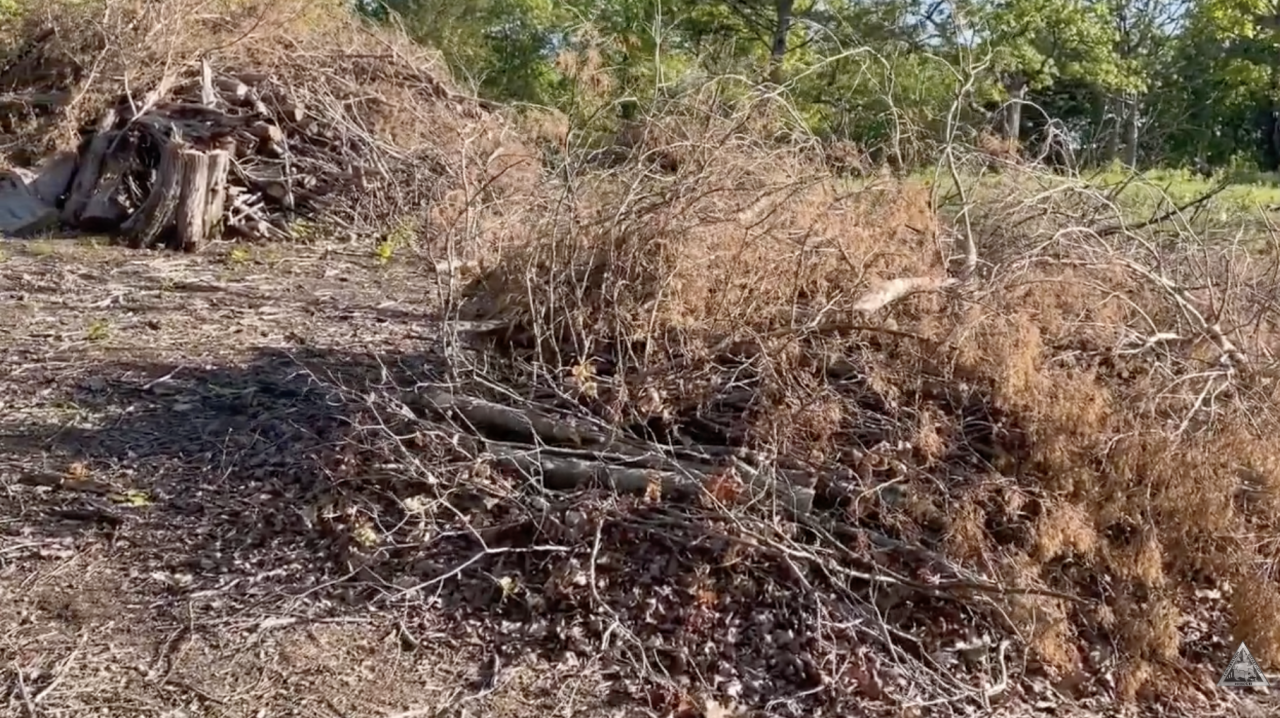
MoDOT says the tree and brush removal wasn’t an additional cost due to the World Cup but that the deferred maintenance schedule was adjusted in preparation for the World Cup.
"We're hoping it will also help beautify, and as people can see that it's mowed and looks more clean, that maybe we can reduce our litter problem as well," Bolon said.
The city of Kansas City has been busy removing invasive overgrowth as well, saying they cut down 67 invasive trees since October.

![020626_KSHB_Image_NXA_Web_Standard Cube[88].jpg](https://ewscripps.brightspotcdn.com/dims4/default/0ead409/2147483647/strip/true/crop/300x225+0+13/resize/960x720!/format/webp/quality/90/?url=http%3A%2F%2Fewscripps-brightspot.s3.amazonaws.com%2F8f%2F6c%2Ffad8bd2346c5a4d4ead793017d4a%2F020626-kshb-image-nxa-web-standard-cube88.jpg)