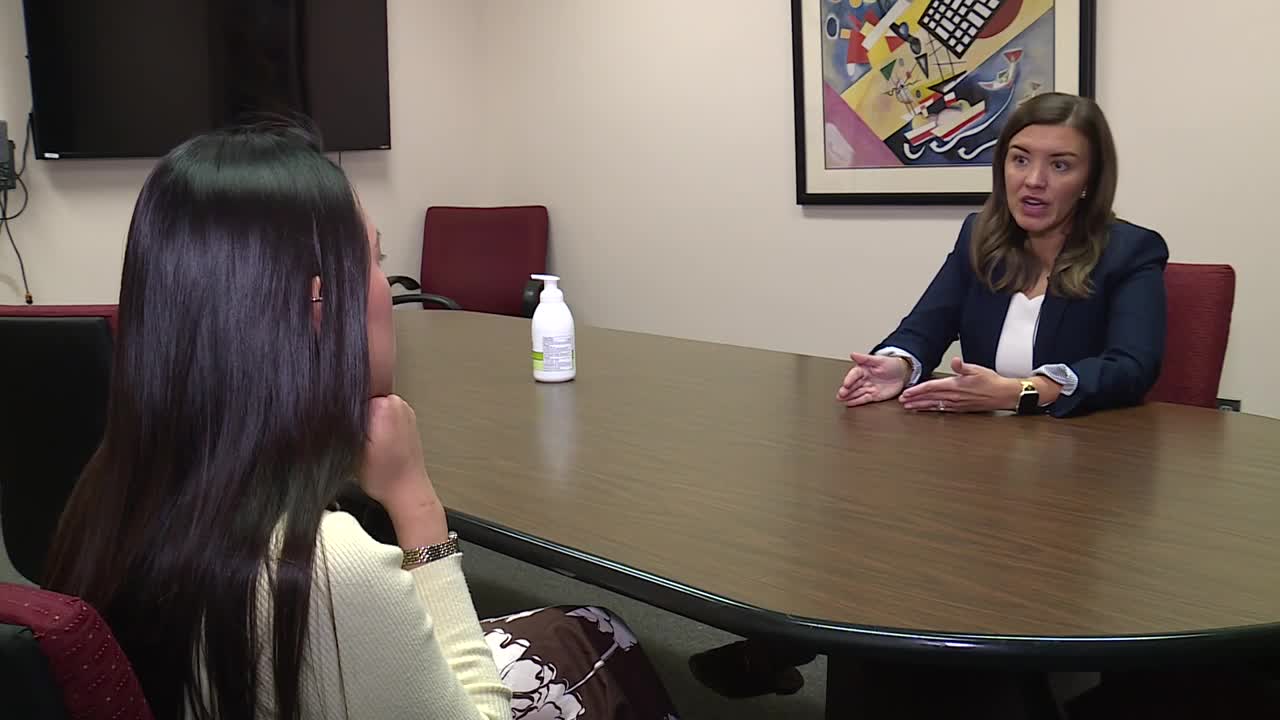


WAVERLY, Mo. — KSHB 41 anchor/reporter JuYeon Kim covers agricultural issues and the fentanyl crisis. Share your story idea with JuYeon.
—
Stephanie Hyde, a local mother of four, is concerned about the potential impacts of negative political advertisements on her children.
“It just started to feel like the ads were getting really overwhelming and really intense,” Hyde said.
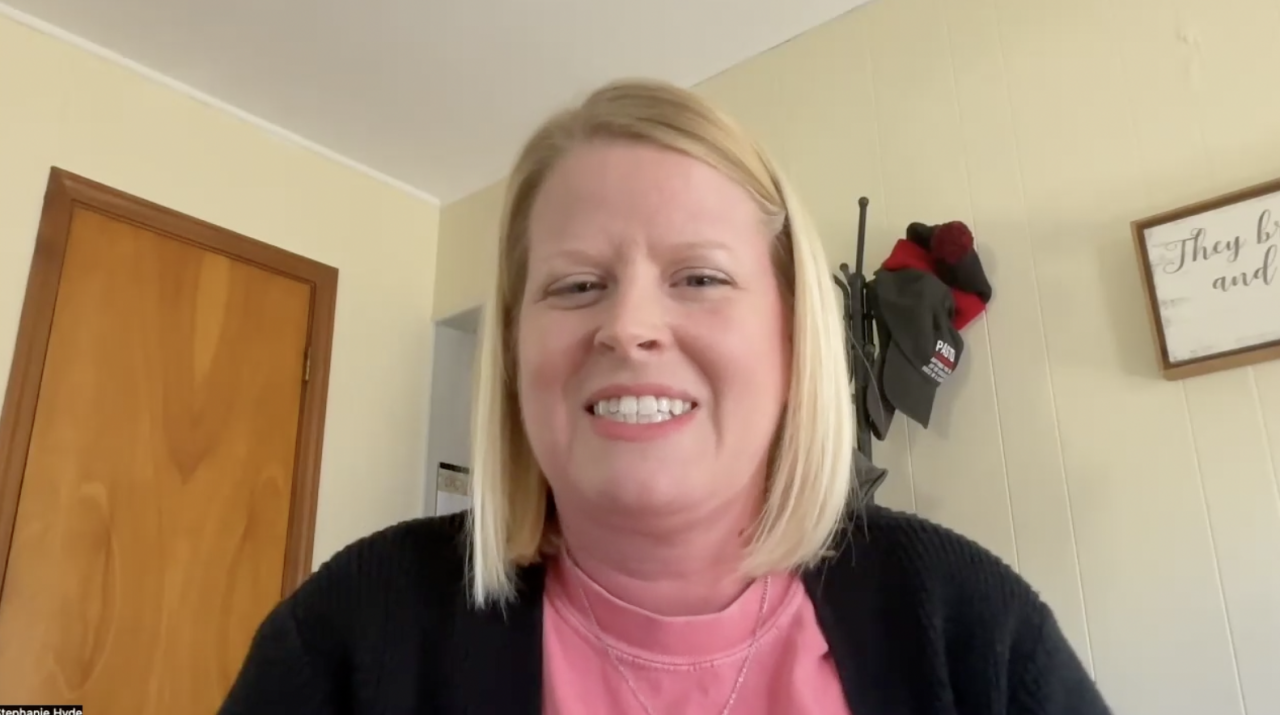
Hyde’s kids are 12, 14, 16 and 19 years old. Local news is always playing in the background in their home, but during this election cycle, she has been on alert.
“It does put parents in a really difficult position with how we are able to approach sensitive topics with them in a controlled way rather than being pushed into it in an overly negative atmosphere,” Hyde said. “We watch the news early in the morning, so usually when we’re getting ready for work or when we’re getting ready to send the kids off to school. And so, the quick exit there doesn’t often give us the chance to have those conversations right there in the moment.”
Johnson County Mental Health Center’s Community Prevention Manager Sierra Wright says it is impossible to shield children. But the way parents react can have just as much influence as the initial trigger.
“We set the tone for how our kids are going to view things by the way that we react and respond in situations,” Wright said. ”What I want parents to know is, you don’t have to have the answers. But your presence and your child knowing you are that safe space for them is a huge protective factor. And what we do know about protective factors is that they can help our child go on to be less likely to be impacted by things like suicide, substance use.”
Wright recently faced a question from her son regarding political ads.
“He was like, ‘Mom, is this candidate good or bad?’ And so, it really kind of made me think about especially young minds and how they are taking in information,” Wright said. “I kind of had to take a moment and pause and think about how do I answer this in a way that doesn’t persuade him to think one way or the other.”
Wright advises parents to pause, then ask these questions:
- How did that political ad make you feel?
- What do you think they were trying to tell us?

“What are some of the values that are important to you? Here’s some of the values that are important to me," Wright said. "And then that can translate into, maybe you research together."
Hyde says she tries to turn those emotional moments after a commercial into a teaching opportunity.
“Teaching them early on how do we speak about other people, how do we handle opposing message, how do we handle different trains of thought or different ideologies, and when it’s appropriate to speak out against them, and how it’s appropriate to speak out against them,” Hyde said.
But as they continue their conversations, she hopes for a change of heart in others.
“How are you being a leader for them? How are you showing up for them, too? Because one day they are going to be your constituents,” Hyde said.
—