




KANSAS CITY, Mo. — National Wear Red Day, a day dedicated to raising awareness about heart disease in women, falls on the first Friday of February each year, and also happens during American Heart Month.
According to the U.S. Centers for Disease Control and Prevention, heart disease is the leading cause of death in women in the United States.
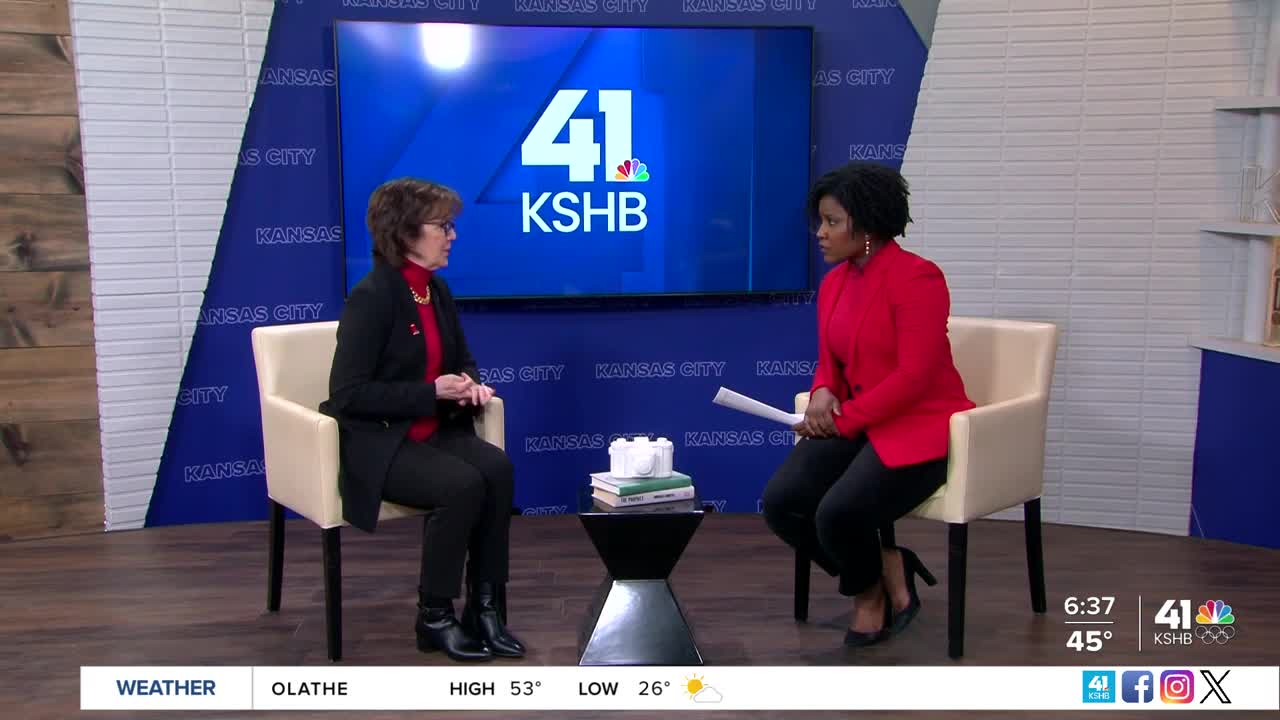
KSHB 41's Rae Daniel sat down with Dr. Tracy Stevens, a cardiologist with Saint Luke's Muriel I. Kauffman Women's Heart Center.
"We have to be our own advocate because still women are under recogonized, as far as having heart conditions, under treated and certainly under represented in research," Dr. Stevens said. "And so, we have to be our own advocates, and partner with the provider who is up to date on women's heart health conditions and ask, 'what do I need to do to prevent my number one health threat?'"

Dr. Stevens said heart attack and stroke is the number one threat for women over the age of 35.
"It's increased blood pressure, high cholesterol, diabetes or pre-diabetes, increased waist circumference — this metabolic syndrome at an early age raises a young woman's risk of a heart attack and stroke," Dr. Stevens said. "And what I call the 'Bermuda Triangle' is why we are seeing a marked rise in heart attack and stroke in very young women. It's the combination of increased weight or body mass index, nicotine and birth control. That's a really bad combination."
Dr. Stevens said the best way to treat heart disease is to prevent it.
Lifestyle habits can help, including things like eating healthy, staying active, maintaining an ideal body weight and avoiding sitting for prolonged periods to time. The doctor said limiting alcohol intake and not smoking can be key.
Another factor in prevention is monitoring your own health.
"I ask women, check your breasts, check your blood pressure the 15th of the month," Dr. Stevens said.
She suggested women partner with someone at work and at home to help hold each other accountable when it comes to keeping blood pressure under control.
"I'm especially concerned about young African Americans, the prevalence of high blood pressure is sky rocketing, and we're not recognizing that and treating it... "
The doctor also said to get your blood sugar and cholesterol checked, as recommended, to ensure those are in normal range.
Dr. Stevens stated it is important to note that there are unique conditions for women to be aware of, and it is important to be our own health advocate.
"We know menopause also, what are my risks during menopause, and they worsen when we all hit menopause as women and then after age 65, we're calling later life, there's more unique conditions: atrial fibrillation, heart failure," Dr. Stevens said. "Monitor blood pressure and know your blood work. It takes hard work, but it's worth it."
According to the CDC, here are the first signs and symptoms of heart disease:
- Heart attack: Chest pain or discomfort, upper back or neck pain, indigestion, heartburn, nausea or vomiting, extreme fatigue, dizziness and shortness of breath
- Palpitations: fluttering feelings in the chest
- Shortness of breath, sudden fatigue or swelling of the feet, ankles, legs or abdomen
If you notice any of these symptoms, call 911 and contact your doctor.
![020626_KSHB_Image_NXA_Web_Standard Cube[88].jpg](https://ewscripps.brightspotcdn.com/dims4/default/0ead409/2147483647/strip/true/crop/300x225+0+13/resize/960x720!/format/webp/quality/90/?url=http%3A%2F%2Fewscripps-brightspot.s3.amazonaws.com%2F8f%2F6c%2Ffad8bd2346c5a4d4ead793017d4a%2F020626-kshb-image-nxa-web-standard-cube88.jpg)