



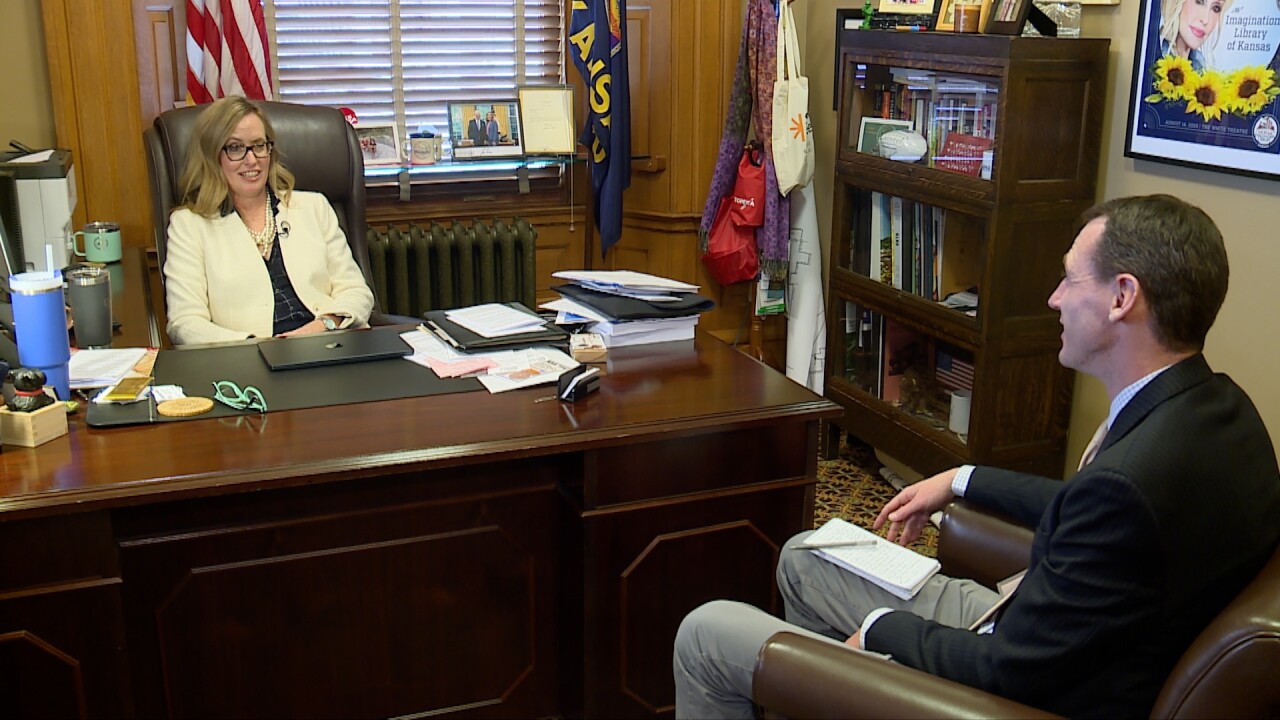
TOPEKA, Kan. — KSHB 41 reporter Charlie Keegan covers politics in Kansas, Missouri and at the local level. Share your story idea with Charlie.
—
Kansas lawmakers are giving mixed signals about whether local municipalities can block the Chiefs new stadium and headquarters project, even after the state approved using STAR bonds to help fund it.
The question arose after Kansas approved legislation to use STAR bonds — a financing tool that captures sales tax revenue from new development — to help pay for a new Chiefs stadium in Kansas City, Kansas, and team headquarters in Olathe.
Both cities hosted public hearings Tuesday on whether the municipalities should commit local sales taxes to the STAR bond project.
In a statement, a spokesperson from the Department of Commerce wrote, "revenue from the local level is a key part of the financing structure. If the local taxes are not pledged, it would create a significant funding gap."
The Department of Commerce statement sent to Keegan also emphasized how the projects would be "a monumental economic development opportunity."
"The Kansas City Chiefs making Kansas their new home, building a state-of-the-art stadium, headquarters and training center, and mixed-use facilities in Wyandotte County and Olathe present a monumental economic development opportunity that will create over 20,000 jobs during the construction phase alone and have over $1 billion in annual economic impact," according to the statement. "These impacts are real reasons for Kansans to be excited about the project and are sound reasons to be confident in its success."
Three state lawmakers responded to questions from KSHB 41 News about how critical local buy-in is for the project to move forward.
"I don't know if it's a rubber stamp," said State Rep. Charlotte Esau, a Republican who represents the part of Olathe where the Chiefs want to build their new headquarters. "I also know it's not 100% a done deal. At least, that's what they've told me."
Lobbyists in the statehouse hallways said if Olathe or Kansas City, Kansas, decide not to participate in the STAR bonds program, the Chiefs project as a whole could still move forward, but that wouldn't be ideal.
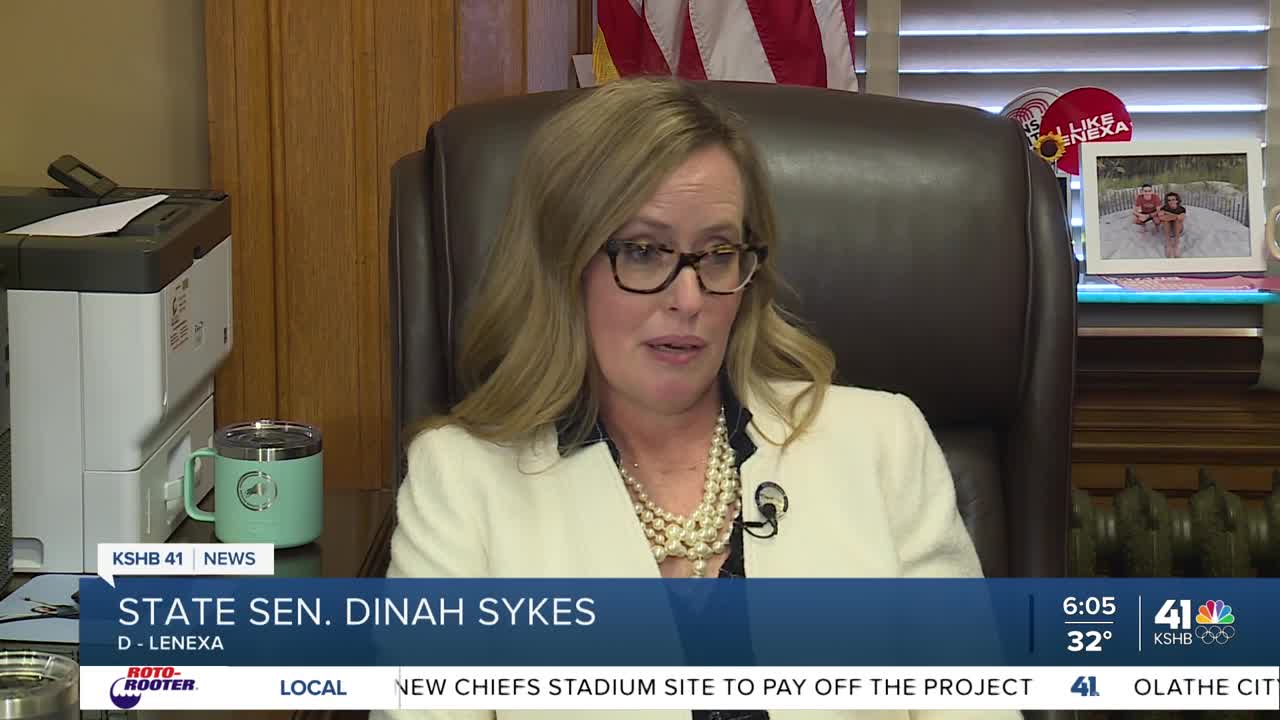
"They're going to figure out what's best for their communities," said State Sen. Dinah Sykes, a Democrat from Lenexa.
Esau suggested the project needs both state and local support to succeed.
"I am being told it's a packaged deal, they need both the state, they need the city," Esau said.
State Sen. Beverly Gossage, a Republican from De Soto, emphasized local decision-making authority.
"I believe in local control, so we're going to let the Olathe council figure that out," Gossage said.
Groups have used Facebook to encourage public participation in the process, criticizing transparency and how quickly the project is moving. State leaders admit there's some information they can't share yet.
"There is that negotiation, and that's what is currently happening," Sykes said, adding that the Secretary of Commerce pledged to release documents and agreements once they're signed.

One thing all the lawmakers agreed on is that Kansas will see an increase in income tax revenue because of the high salaries NFL players earn.
"That actually benefits our communities and helping provide for roads, police, all the things we care about," Sykes said.
The Kansas Department of Commerce statement said the State will determine the scope of the STAR Bond District later this year.
"We anticipate the Unified Government and Olathe pledging the incremental sales tax revenue that will be generated from the area around the stadium or practice facility and the associated mixed-use developments," according to the Kansas Department of Commerce statement.
This story was reported on-air by a journalist and has been converted to this platform with the assistance of AI. Our editorial team verifies all reporting on all platforms for fairness and accuracy.
—
![020626_KSHB_Image_NXA_Web_Standard Cube[88].jpg](https://ewscripps.brightspotcdn.com/dims4/default/0ead409/2147483647/strip/true/crop/300x225+0+13/resize/960x720!/format/webp/quality/90/?url=http%3A%2F%2Fewscripps-brightspot.s3.amazonaws.com%2F8f%2F6c%2Ffad8bd2346c5a4d4ead793017d4a%2F020626-kshb-image-nxa-web-standard-cube88.jpg)