



KANSAS CITY, Mo. — KSHB 41 reporter La’Nita Brooks covers stories providing solutions and offering discussions on topics of crime and violence. She also covers stories in the Northland. Share your story idea with La’Nita.
—
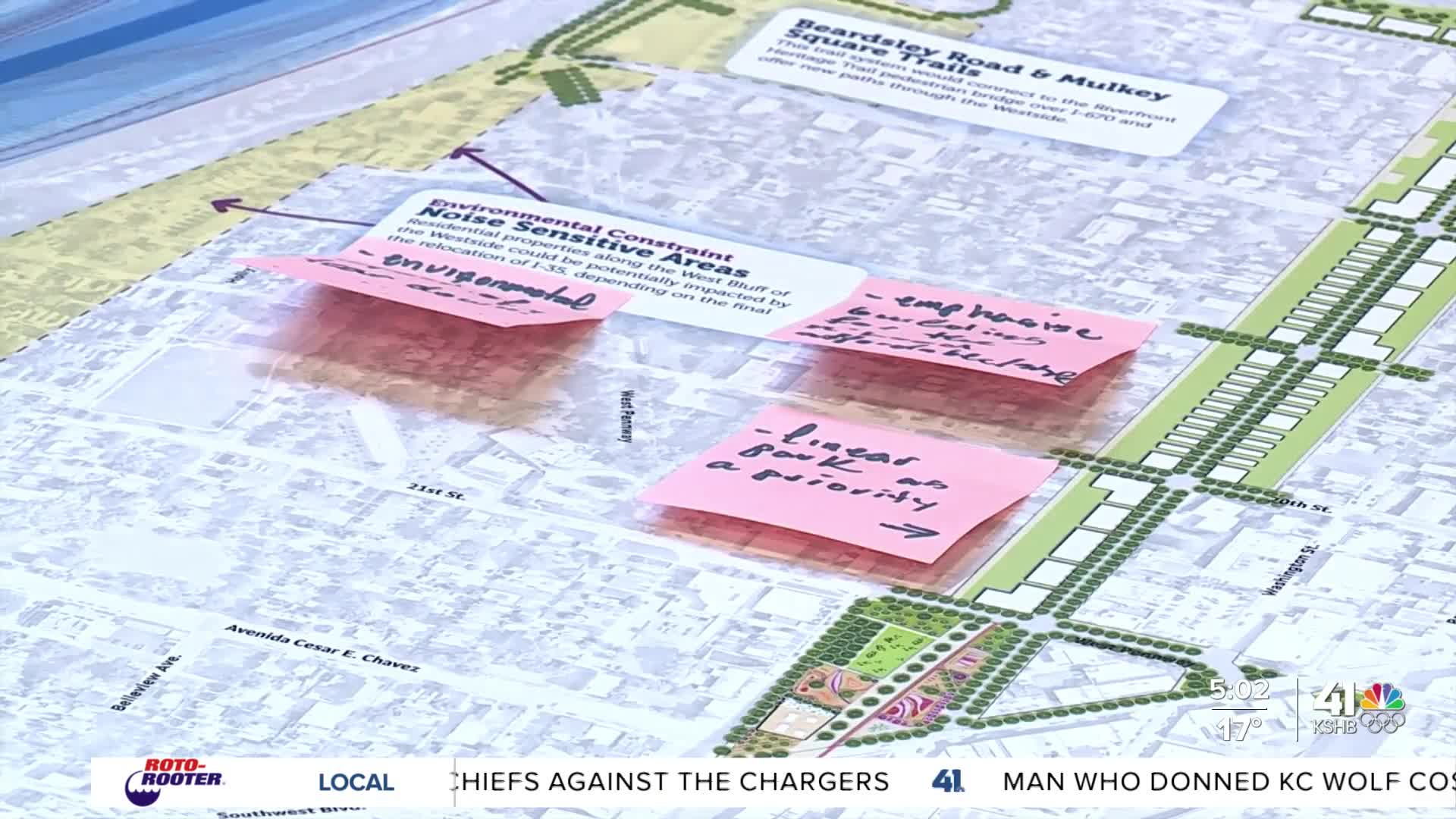
Dozens of community members gathered Saturday for the third community summit addressing the Reconnecting the Westside project, an initiative aimed at healing a neighborhood divided by aging highway infrastructure.
Among those in attendance was Alice Gomez, a resident in her late 80s who has called the Westside home since 1946. Despite the cold weather, Gomez walked a mile from Avenida César E. Chávez (West 23rd Street) to attend the event.

"It's important enough that I made that sacrifice to come here. I want to participate in the community," Gomez said.
Community participation isn't new for Gomez, who has been involved with the Westside neighborhood group since 1970, shortly after Interstate 35 was constructed through the area.
The summit focused on addressing historical challenges created by the construction of I-35 and I-670, which divided the community decades ago.
"We had no knowledge that they were going to do that," Gomez said. "Therefore, it happened without us protesting or nothing because we didn't know about it."
Enrique Chaurand, a principal with Madison West Consultant who grew up in the area, understands the impact firsthand.

"I grew up two blocks away from I-35, so I know the dangers that it imposed, a lot of the environmental issues that came along with it," Chaurand said.
The highways created multiple challenges for the Westside community, including limited transportation options, safety concerns, and health and environmental risks.
"The Westside has always felt, in my opinion, somewhat isolated," Chaurand said. "This is where we're able to make some changes and better connect the Westside. To me, connections mean folks in the community are going to feel a part of the greater Kansas City, which they should."

The project team is examining both short-term and long-term solutions to restore community connections and bridge the gap that those highways created. The next step involves drafting a planning and environmental linkage study.
Selina Zapatabur, planning manager in Public Works, outlined the timeline for moving forward.
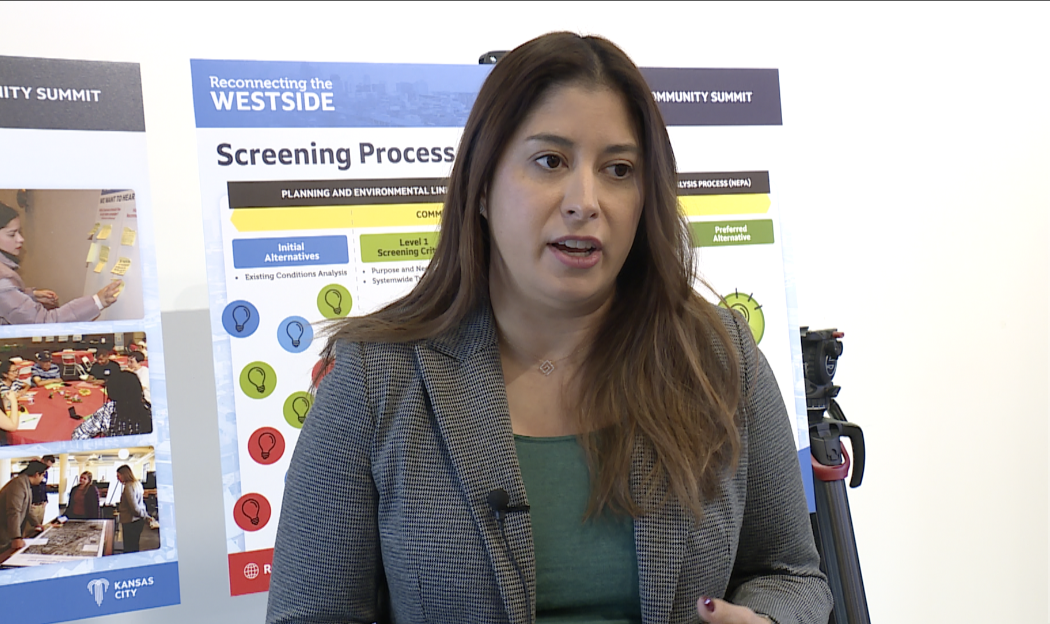
"We aim to finalize the draft in Spring 2026," Gomez said. "After that, it would be identifying different funding mechanisms for some of those, maybe some of those near-term solutions that we've identified."
This story was reported on-air by a journalist and has been converted to this platform with the assistance of AI. Our editorial team verifies all reporting on all platforms for fairness and accuracy.
—

![020626_KSHB_Image_NXA_Web_Standard Cube[88].jpg](https://ewscripps.brightspotcdn.com/dims4/default/0ead409/2147483647/strip/true/crop/300x225+0+13/resize/960x720!/format/webp/quality/90/?url=http%3A%2F%2Fewscripps-brightspot.s3.amazonaws.com%2F8f%2F6c%2Ffad8bd2346c5a4d4ead793017d4a%2F020626-kshb-image-nxa-web-standard-cube88.jpg)