




KANSAS CITY, Mo. — KSHB 41 News anchor/I-Team reporter Sarah Plake is looking for story ideas in Kansas City. Send Sarah an email.
—
Hundreds of thousands of people are expected to visit the Kansas City area for the World Cup in just a few short months.
Experts say increased travel brings a heightened risk for child sexual exploitation, trafficking and abuse.
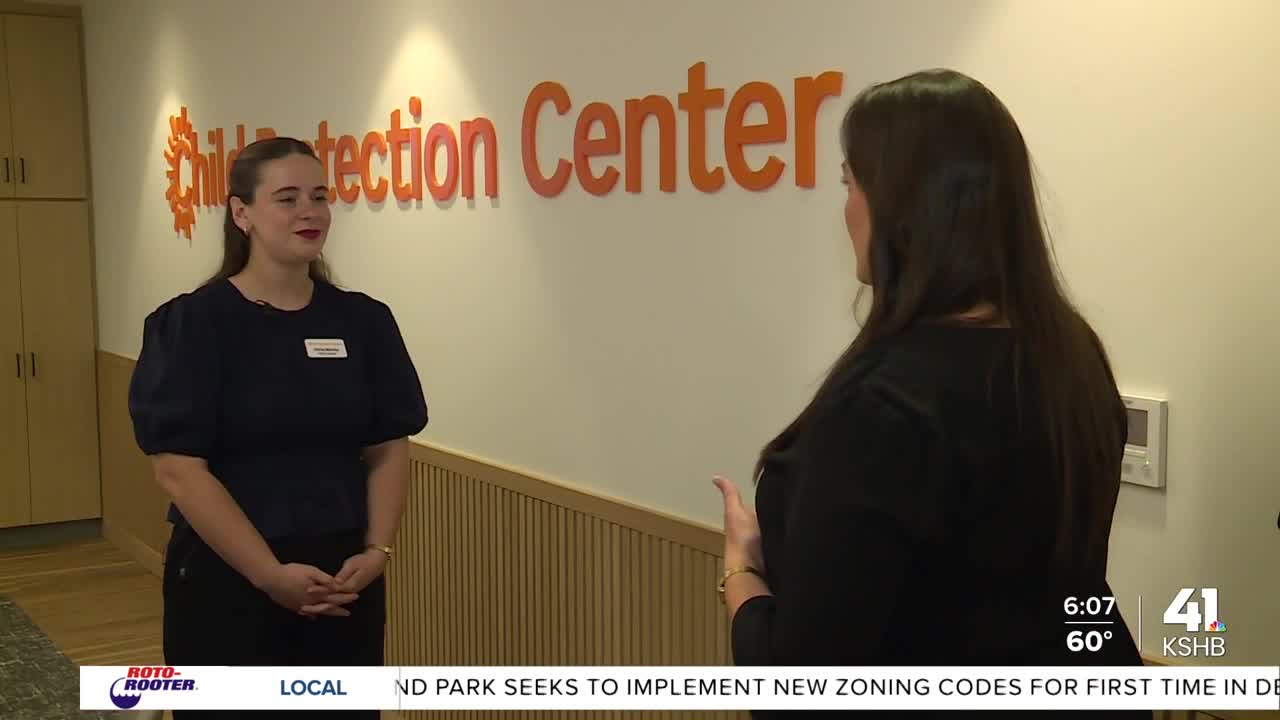
KSHB 41 sat in on a virtual training hosted by the Child Protection Center on Wednesday about what trafficking and exploitation is, and how to spot it and report it.
A major point to keep in mind is that predators usually target people they know or kids in vulnerable situations, such as unstable home environments, a history of being abused, a history of running away and housing instability.
Traffickers will also use a traveling opportunity to meet a child they have already been talking to online, or they will use the fact that there are thousands of new visitors in one place to traffic victims.
With a large, crowded environment, there is increased vulnerability.
"Looking at the data and past major sporting events in America, there definitely is an increase in exploitation," said Olivia Markey, a specialist in commercial sexual exploitation of children with the Child Protection Center. "Obviously, exploitation is happening at all times, but just taking into consideration that there's going to be a lot of different people in this city, as well as the fact that kids are not going to be in school over the summer."

One vulnerability traffickers typically prey on is fear. Children may be convinced it is their fault they are being trafficked, or they may not even know they are a victim.
Additionally, a trafficker may have coerced them into doing crimes, so the child may feel complicit in it and less likely to ask for help.
Threats, such as blackmail, are also tools predators use — these threats often show up in online environments.
"I think it's just really important always to be having safety conversations, especially with online activity, just because we see a lot of abuse and exploitation occurring online," Markey said. "So, presenting scenarios to your kids, like, 'What would you do if this person asked you to do this or meet up?'"
Markey stressed the importance of having open conversations and making sure your child knows they can trust you, and if something does happen, they can come talk to you.
The Child Protection Center is holding two more virtual trainings in May. The trainings are free and open to the public.
If you suspect a child is being trafficked, you should not try to intervene or confront the trafficker.
Call the Missouri Child Abuse and Neglect Hotline at 1-800-392-3738 to make a report with local police.
In Kansas, call the Kansas Protection Report Center at 1-800-922-5330 to report it to local police.
If the child appears to be in immediate danger, call 911.

![092126_KSHB_WX_480x360[61].jpg](https://ewscripps.brightspotcdn.com/dims4/default/79e7fad/2147483647/strip/true/crop/480x360+0+0/resize/960x720!/format/webp/quality/90/?url=http%3A%2F%2Fewscripps-brightspot.s3.amazonaws.com%2F6f%2F6d%2Fa3758caf4c0984b0ecf100f620d1%2F092126-kshb-wx-480x36061.jpg)