

KANSAS CITY, Mo. — KSHB 41 reporter Isabella Ledonne reports on stories in Overland Park, Johnson County and topics about government accountability. She has been reporting on synthetic 7-OH and kratom in the Kansas City metro extensively in the ongoing series, Strong High Weak Laws. Share your story idea with Isabella.
—
Missouri's Attorney General told KSHB 41's Isabella Ledonne a pill you can buy at gas stations for around $10 could be more "concerning" than fentanyl or other traditional opioids.
Local leaders have refered to synthetic 7-OH 'gas station heroin'. It's completely legal, for now, but experts have shared how it can be more potent and addictive than morphine.
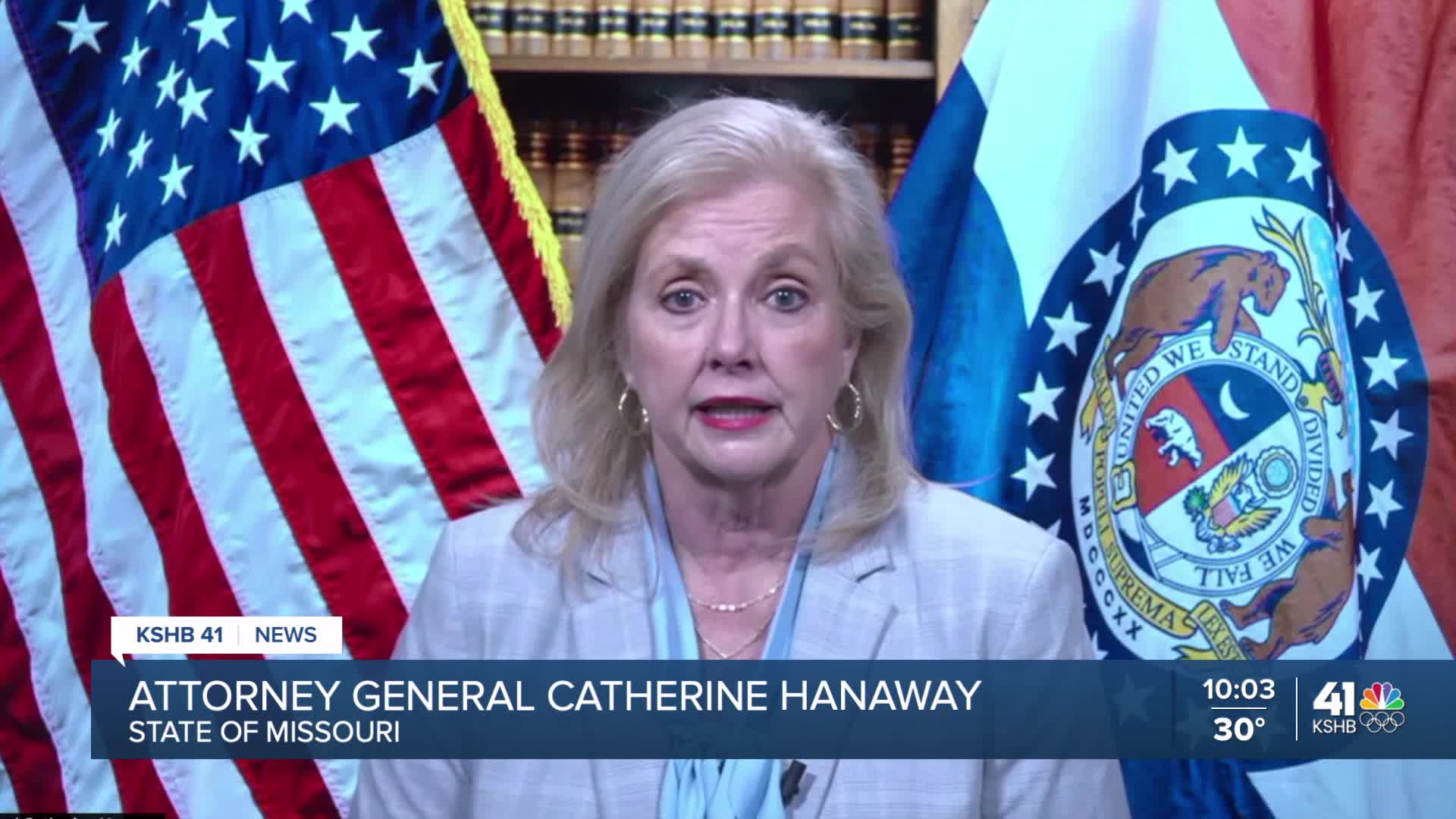
KSHB 41's Isabella Ledonne spoke one-on-one with Missouri Attorney General Catherine Hanaway following her investigation into companies statewide for manufacturing and selling synthetic 7-OH.

The largest producer of synthetic 7-OH in the Kansas City area, American Shaman, told Ledonne more than a billion tablets have been produced over the last two years. Attorney General Hanaway is putting his company and more than a dozen other companies on notice for deceptively marketing 7-OH as a 'safe product'.
Attorney General Hanaway's Office has sent out 17 Civil Investigative Demands (CIDs) to Missouri companies, demanding manufacturers to hand over information about how they're making and marketing synthetic 7-OH. Three were sent to Kansas City based companies, including American Shaman.
Founder Vince Sanders recently defended his products safety in light of the ongoing state and federal investigations.

"It's really a matter of properly using this product and using it the way that the label would indicate," Sanders said.
But American Shaman isn't the only company selling 7-OH. It's sold at most gas stations, convenience stores and smoke shops in the Kansas City metro in a number of different forms.
"7-OH has been marketed as if it's just fine, like CBD, that's not going to get you wasted," Attorney General Hanaway told Ledonne. "In point of fact, not only is it intoxicating, but it's highly addictive."
7-OH isn't regulated in the state or the country. The Attorney General's strongest weapon is going after deceptive marketing.

"Depending on the level of how intentional this deception was, the degree to which the deception was, and had an impact on Missourians, there is potential for criminal charges," Attorney General Hanaway said.
The Office of Attorney General Hanaway originally announced her investigation in late November, with an expansion of the investigation announced last week. She explained her office has received numerous complaints regarding 7-OH addictions and usage since she took office in September.
"Unsuspecting people have gotten really addicted to this and have reached out to our office," Attorney General Hanaway said. "Some have said they've been in recovery from other opioid addiction for years, then use this product thinking it's safe, and get readdicted all over again."
The FDA is currently taking steps to regulate synthetic 7-OH as a Schedule I controlled substance. Missouri State Representative Bill Allen prefiled a bill to on 7-OH in Missouri during the 2026 legislative session.
Attorney General Hanaway explained she hopes Missouri lawmakers make 7-OH a controlled substance in the upcoming session.
"Do you think that this substance and this drug brings a level of concern to your office as fentanyl or other traditional opioids do?" Ledonne asked Attorney General Hanaway.
"Yes, absolutely," Attorney General Hanaway responded. "In some ways more so because the public is not aware of how dangerous it is. It's not a scheduled drug by the feds or the state, so people think they're buying a safe substance and in fact, it is intoxicating and addicting and can do a lot of damage."
Companies cited in the investigations have until January to respond or they could face legal action.
More in-depth coverage on synthetic 7-OH, its parent plant, kratom , and government attempts to regulate it can be found here.
—