

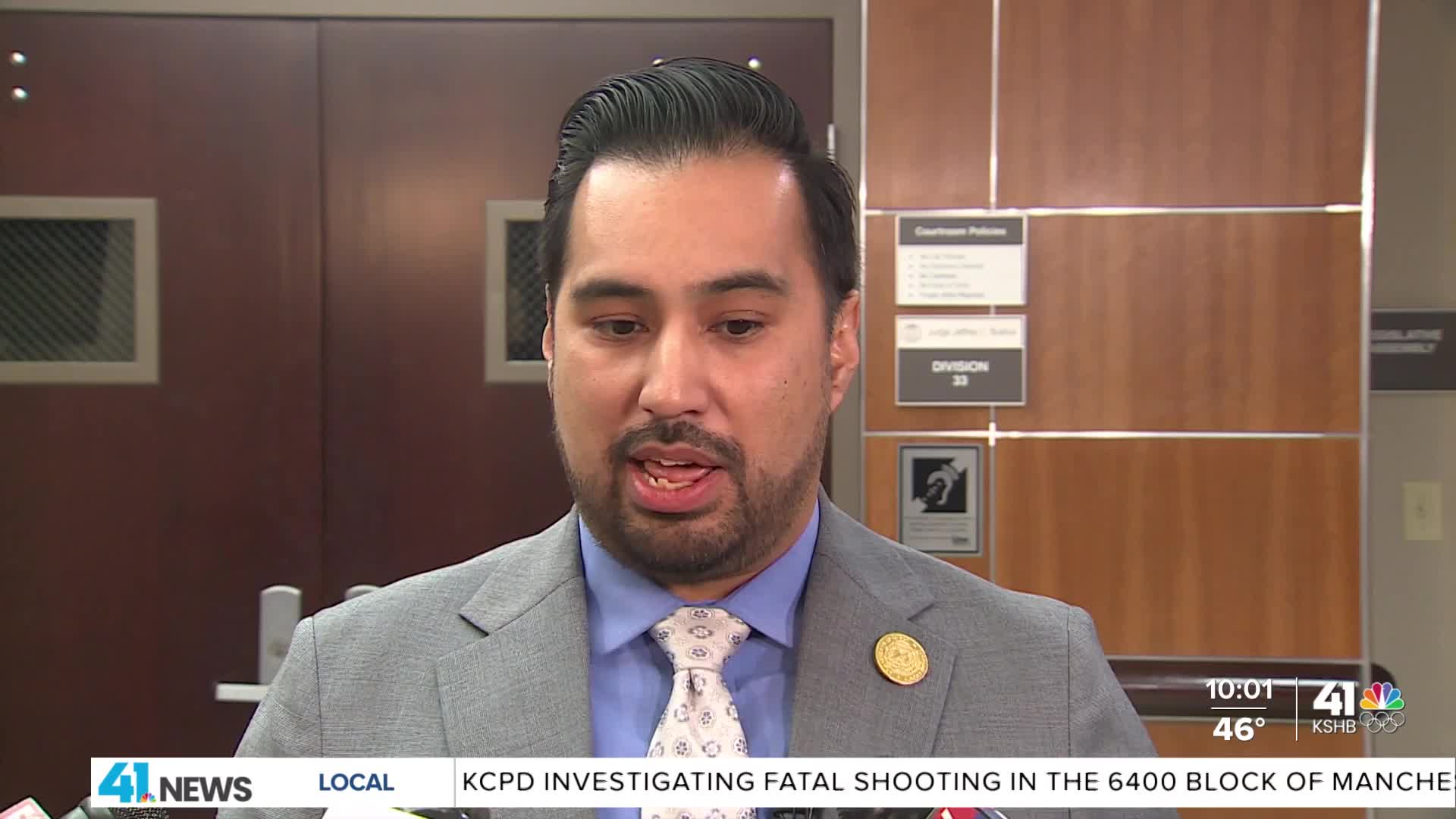


INDEPENDENCE, Mo. — KSHB 41 reporter Fernanda Silva covers stories in the Northland. She also focuses on issues surrounding immigration. She went to a Jackson County Legislature meeting Monday to hear opinions from both sides on whether the legislature should pass an ordinance that would prevent most law officers from covering their faces when doing their jobs. Share your story idea with Fernanda.
—
A Jackson County legislator introduced an ordinance Monday to would prohibit law enforcement officers from concealing their faces or badges during official duties.
The ordinance sparked debate about accountability versus officer safety.
The proposed legislation, introduced in December by Manuel Abarca IV, the county's first Latino chairperson, aims to strengthen transparency and public trust in law enforcement.
The ordinance has since been renamed the Renee Nicole Macklin Good Transparency and Accountability Ordinance for the 37-year-old woman shot and killed by an ICE agent in January 7th Minneapolis.
"The goal is accountability," Abarca said. "It's not to go after undercover cops or anything like that. This is to keep people safe and to keep officers safe."
The ordinance would require law enforcement officers performing official duties in Jackson County to keep both their faces and badges visible to the public. It includes exemptions for undercover assignments, tactical operations, medical equipment requirements, and other urgent situations with written documentation.

Elias Garcia, a first-generation Mexican-American who attended the county meeting, supports the proposed legislation.
"It hits very close to home," Garcia said. "The idea that they're like not being able to know who is doing what to us seems to violate everything I grew up and was taught about our basic fundamental rights as Americans."
The proposed ordinance faces opposition from local law enforcement. Jackson County Sheriff Darryl Forte called the measure "government overreach" in a statement.
"Deputies must retain the discretion to use protective equipment and tactics based on the totality of circumstances," Forte's statement read. You can read the full statement at the end of this article.
Sean Smith, 6th District legislator, expressed skepticism about the ordinance's effectiveness and enforceability.
"We've heard from the sheriff's department and the prosecutor that it's probably not legally enforceable and that they wouldn't enforce it," Smith said.

Smith also raised practical concerns about the legislation's scope.
"I had a retired motorcycle patrol officer say, 'When it's cold out, I wear a shield on my face. So is that now illegal for me to patrol the streets in a motorcycle helmet with a face shield?" Smith said.
Abarca acknowledged these concerns and suggested potential modifications.
"That's something I hadn't considered, which is easily adapted, right?" Abarca said. "Maybe it's a two-out-of-three scenario: Don't hide your badge. Don't hide your name. Cover your face — okay, cover your face. We can create some opportunities here."
Abarca said the ordinance specifically targets federal immigration enforcement.
"I think it is ICE, absolutely. But I think the idea that policing in general needs to maintain these standards," Abarca said.
ICE did not respond to requests for comment. According to the agency's website, officers wear masks to prevent doxing, which can place them and their families at risk. The agency states that all officers carry badges and will identify themselves when required.
The legal enforceability of such local ordinances against federal agents remains uncertain. Matt Harris, a political science professor at Park University, said the question involves complex federalism issues.
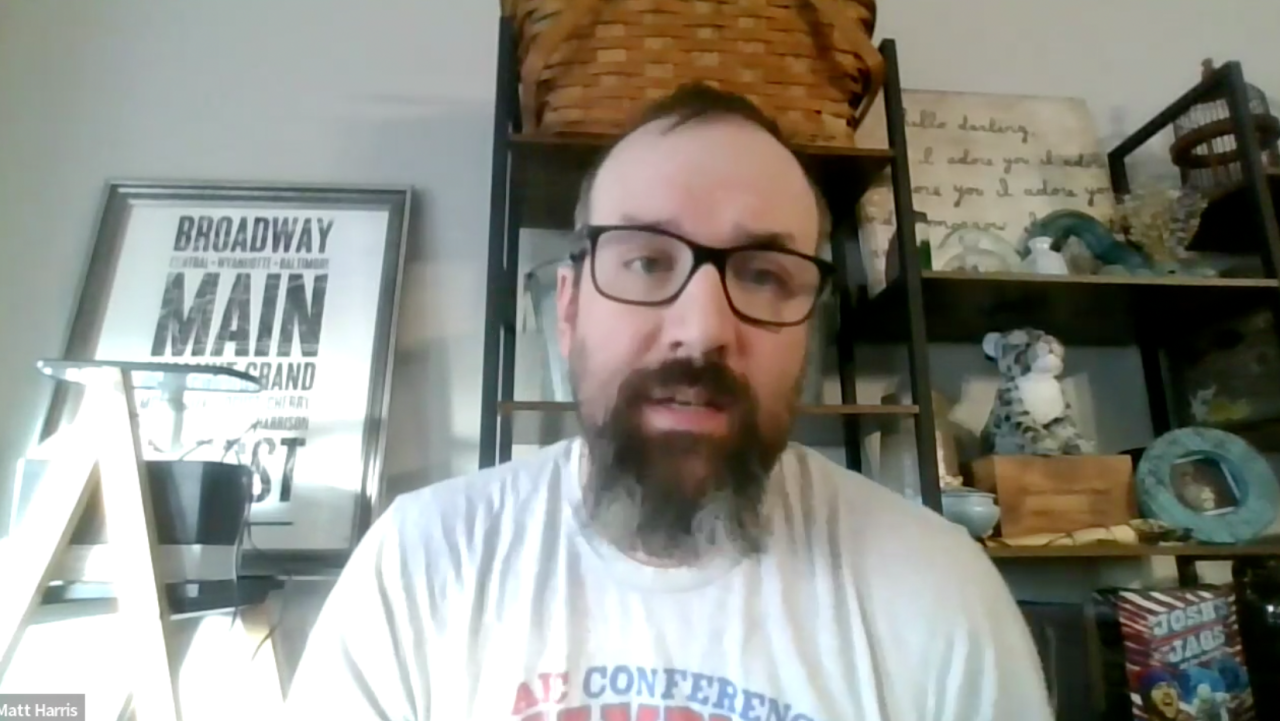
"It gets into this idea of federalism," Harris said. "What happens in California, and where that case eventually goes, could influence enforcement and whether this law can be enforced if it is passed."
California recently enacted similar legislation prohibiting ICE officers from concealing their faces, but enforcement is on hold pending a federal lawsuit from the Trump administration.
The Jackson County ordinance would establish penalties including internal disciplinary action, increased civil liability exposure, and criminal misdemeanor charges for violations.
The ordinance is expected to undergo changes before a vote as legislators work on enforcement concerns and practical exemptions.
Below is the statement from Jackson County Sheriff Darryl Forte.
“I am aware of the ordinance introduced on December 8, 2025, prior to the shooting incident involving a federal law-enforcement officer in Minneapolis. This ordinance reflects ongoing government overreach and dialogue on public safety and law-enforcement practices, without input from those tasked with the duty to protect those we serve.
The Jackson County Sheriff’s Office will continue to prioritize the safety of our deputies and the public above all else. Deputies must retain the discretion to use protective equipment and tactics based on the totality of circumstances, including pre-incident intelligence that may not be known to the general public. When acted on appropriately, such intelligence can significantly reduce the risk of harm to deputies and others.
Enforcement decisions will continue to be guided by officer safety, situational awareness, and established policies, rather than measures that restrict reasonable actions necessary to protect life.”
"This story was reported on-air by a journalist and has been converted to this platform with the assistance of AI. Our editorial team verifies all reporting on all platforms for fairness and accuracy."
—

![092126_KSHB_WX_480x360[61].jpg](https://ewscripps.brightspotcdn.com/dims4/default/79e7fad/2147483647/strip/true/crop/480x360+0+0/resize/960x720!/format/webp/quality/90/?url=http%3A%2F%2Fewscripps-brightspot.s3.amazonaws.com%2F6f%2F6d%2Fa3758caf4c0984b0ecf100f620d1%2F092126-kshb-wx-480x36061.jpg)