

JOHNSON COUNTY, Kan. — KSHB 41 reporter Isabella Ledonne reports on stories in Overland Park, Johnson County and topics about government accountability. Share your story idea with Isabella. She spoke with Johnson County leaders and people who use bus service to get to work and back home. Isabella is looking for more stories about public transportation developments in Johnson County.
—
FIFA World Cup 2026 transportation routes aren't the only transit improvements happening in the Kansas City metro. Johnson County leaders are making plans to improve public transportation after the soccer matches end.
Johnson County, Kansas, is home to nearly half of the Kansas City area's population, yet only has a fraction of its public transit routes. That can leave riders reliant on public transit looking for other options.

"Without buses at all, I don't even know where I'd be," Jesse Hefley, a bus rider, said. "There's no bus service on the weekend. If I come out [to Johnson County] on a Friday night, I'm stuck out here till Monday morning."
Johnson County is among the fastest growing counties in the metro. County leaders plan to get transit lines up to speed by improving the efficiency of the transit system in 2026.

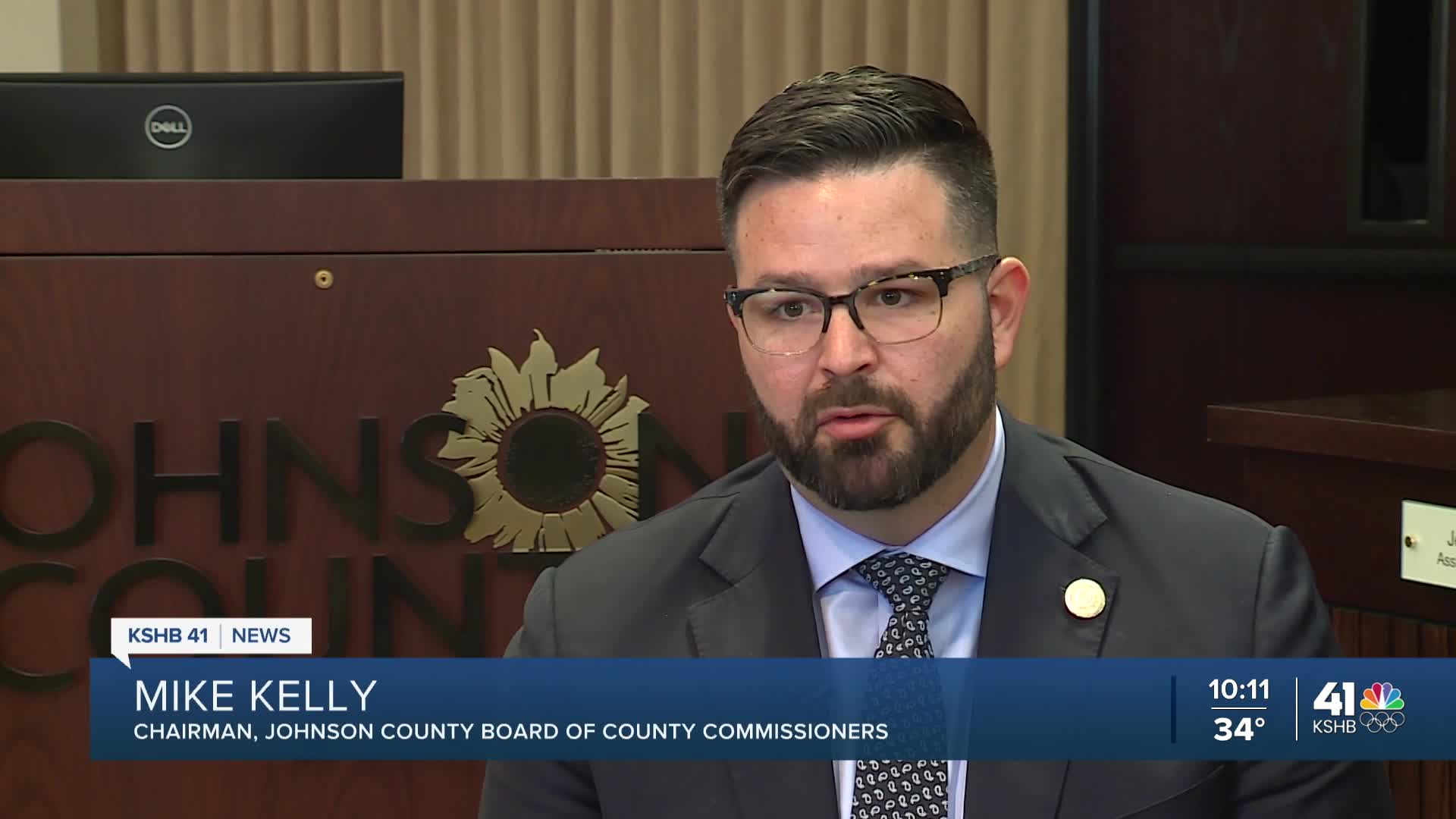
"We wanted to reimagine Johnson County transit," Mike Kelly, chairman of the Johnson County Board of Commissioners said. "It's the first time we've done this in decades."
Johnson County is going to be adding more frequent ride times to popular routes, like the Metcalf line into downtown Kansas City, Missouri. Less popular routes, like the Shawnee line, will have fewer times to make up for other routes in demand. Microtransit will be reduced from seven days a week to five so money can go toward more bus lines.
The changes are in addition to the World Cup transportation routes, including the bus to the stadiums and the airport transit.
Kelly explained the changes are to improve efficiency for public transit.
"We wanted to provide a service that was more robust, a service that was more reliable and therefore we focused on those routes that were in areas that could support more robust, frequent service," he said.
Daily riders like Sara Bressan prefer the transit ride over traffic troubles.
"Why drive the car?" Bressan said. "The traffic is terrible, and then we have to pay parking downtown. This way, I get my coffee, sit on the bus, talk with my friends and then get to work."
The next feature is adding fares in 2026 across the metro region.
Bressan said she doesn't mind paying for rides again. She feels it will make public transit safer.
"We are having people that don't use the bus, they go there because it's raining, because they want a shelter and I have seen so much more violence," Bressan said. "The bus is not supposed to be a shelter."
The microtransit reduction will happen in early 2026 and the route frequency additions will go into effect after the World Cup.
—