

LENEXA, Kan. — KSHB 41 reporter Tod Palmer covers sports business and eastern Jackson County. Share your story idea with Tod.
—
Joyous anticipation. That’s probably the best way to describe the feeling 40 years ago, as my classmates and I doubled up with another second-grade class at Norfleet Elementary to watch the Space Shuttle Challenger launch.
TVs, of course, were heavier and the World Wide Web wasn’t a thing on Jan. 28, 1986, when teachers — at Norfleet and across the country — wheeled three-tiered steel carts topped with old cathode-ray tube monitors and rabbit-ear antennas into classrooms across the country.
By that time, Christa McAuliffe was a household name.

The New Hampshire high school teacher was selected from among 11,000 applicants to NASA’s Teacher in Space Program to join the Challenger crew for a mission to space.
Anything was possible.
A 37-year-old social studies teacher — three years younger than my mom — was going to slip the surly bonds of earth.
Instead, 73 seconds after launching from the Kennedy Space Center in Cape Canaveral, Florida, a catastrophic failure in the solid rocket booster caused an explosion and a nation with its eyes glued to the TV, and by proxy the heavens, watched seven astronauts die.
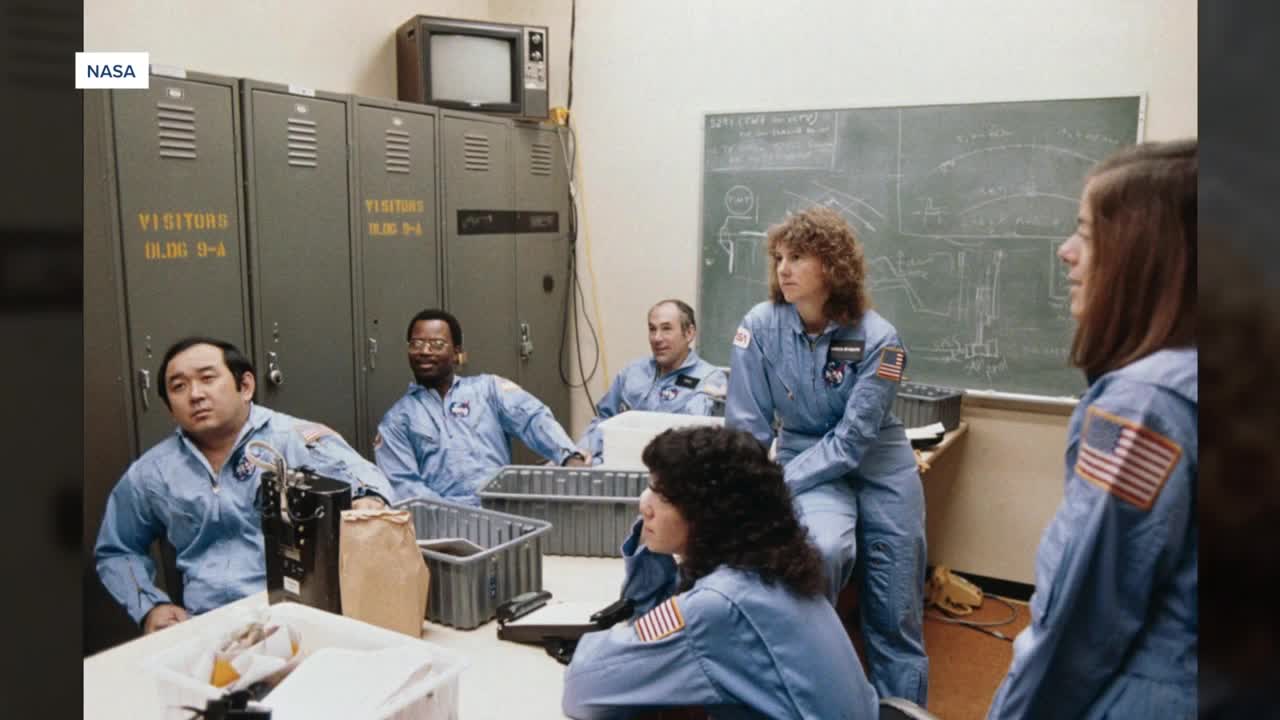
McAuliffe and Greg Jarvis were payload specialists on the flight. U.S. Navy Capt. Michael J. Smith was the Challenger’s pilot for the ill-fated flight with Dick Scobee serving as commander alongside three mission specialists — Ronald McNair, Ellison Onizuka and Judith Resnik.

Steve Hawley — a Kansas native, who was born in Ottawa, raised in Salina and graduated with bachelor’s degrees in physics and astronomy from the University of Kansas — went through the NASA Astronaut Corps with McNair, Onizuka, Resnik and Scobee.
“I was lucky enough to be included in the first class of astronauts chosen for the space shuttle,” Hawley, now a professor emeritus of physics and astronomy at KU, said. “I was lucky enough to make it through the whole process and become one of the 35 that were selected in 1978.”
After NASA helped the U.S. win the race to the moon, the cost of continued space missions became a political issue, ushering in NASA's space-shuttle program — a fleet of reusable vehicles capable of voyaging into the cosmos.
It promised to be cheaper and to make space flight more routine, which led to Ronald Reagan’s ambition for putting a teacher in space and drove renewed interest in NASA’s efforts.
“It was a teacher that was going into space, and she shared a name with me,” Krista Schaffer, a first-grade teacher in the Shawnee Mission School District. “So, you know, when you're a third grader, that's pretty cool.”
Schaffer wanted to be a teacher herself, so she chose something about McAuliffe every time her third-grade teacher, Mrs. Chambers, assigned a report on current events.
“When it came time for the launch, the whole class was looking forward to it,” Schaffer said. “We rolled the TV cart in, and we were really excited.”

Hawley watched it all unfold from Topeka, where he had flown in to participate in a Kansas Day celebration with Gov. John Carlin the next day.
He never made it.
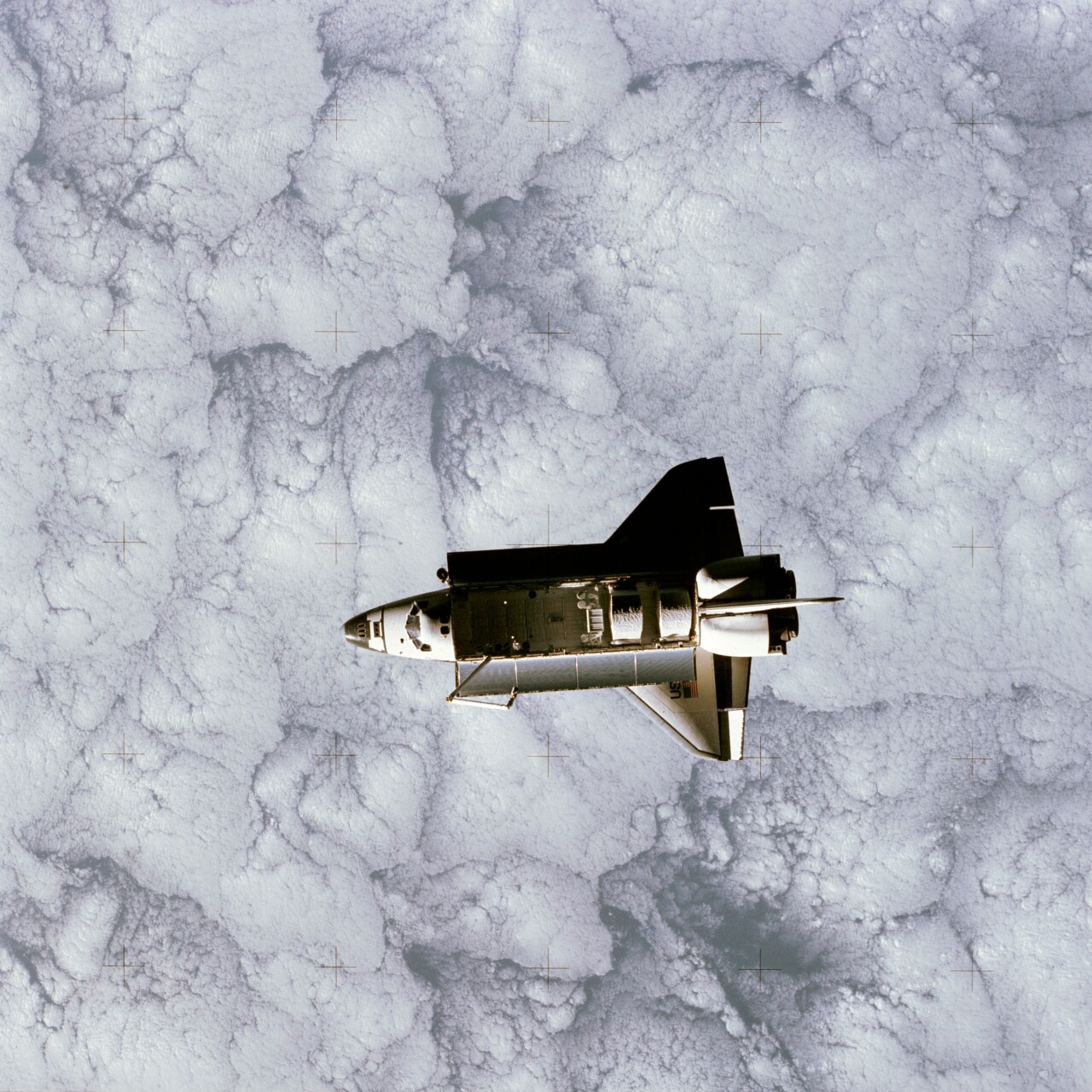
In late summer 1984, Hawley first ventured into space on Space Shuttle Discovery’s maiden voyage.
He returned to space aboard Space Shuttle Columbia less than 17 months later.
Hawley and Columbia’s crew had returned to Edwards Air Force Base in California only 10 days before the Challenger disaster.
Having finished a debrief at NASA’s Johnson Space Center, Hawley made his way back to Kansas.
“Had the launch happened on time, it would have occurred while I was in the air,” he said. “But when I landed in Topeka, I found out that the launch had been delayed, so I still had a chance to watch it.”
Hawley and his parents, Bernie and Jeanne, watched from a lounge at Forbes Field, which is now called Topeka Regional Airport.
“Just over a minute into ascent, the accident occurred, the Challenger was destroyed,” Hawley recalled. “At the moment that that happened, I knew that there was no chance the crew would survive.”
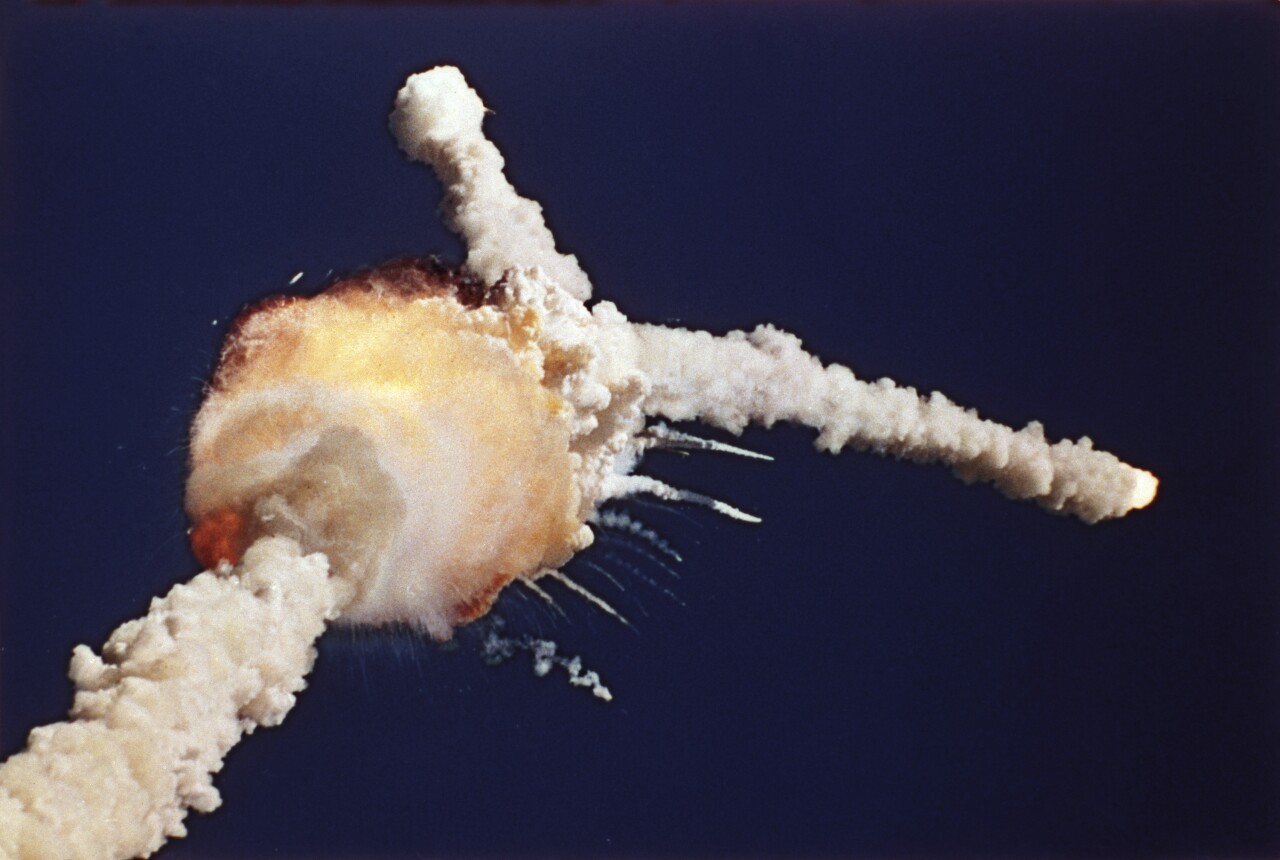
A nation was plunged into mourning.
“Teachers were walking through the halls upset, kids were crying, because we were really looking forward to this,” Schaffer said.
Inside the Norfleet classroom where we watched the tragedy unfold, we didn’t realize quite as quickly as Hawley the gravity of the situation, but it became clear within a few minutes that all seven crew members had died.
Quietly, the TV was turned off and wheeled out of the room, while Hawley went back to work.
“After a while, a guy came into the room and said there was a phone call for me,” he said. “I went and took the call and it was Johnson Space Center, saying they were sending a jet to pick me up and I was being recalled.”

Hawley helped investigate the disaster for NASA, confirming that the crew’s pre-flight checks weren’t a contributing factor to the disaster, and later worked on the White House’s Rogers Commission Report, which made sweeping recommendations about how to improve the space-shuttle program and make it safer.
“We all knew that the crew would want the program to continue,” Hawley said. “The best way to do that is to figure out what happened, then figure out how do you keep that from happening again? ... The improvements we made to the program back in the late ’80s was due to the sacrifice of my friends.”
He also understands that it could have been him, because all of the space shuttles used the same rockets.
"There was one attempt on the flight previous, the one that I was on, where the temperature had been very cold the night before launch, but we didn't launch because the weather overseas was bad and we didn't have our emergency landing site available," Hawley said. "I don't know what would have happened if the weather overseas has been OK and we were going to try to launch, but I did think about that for sure."
Chilly termperatures the day of the launch are believed to have affected an O-ring between a field joint on the solid rocket assembly, which allowed a burn through that led to the catastrophe.
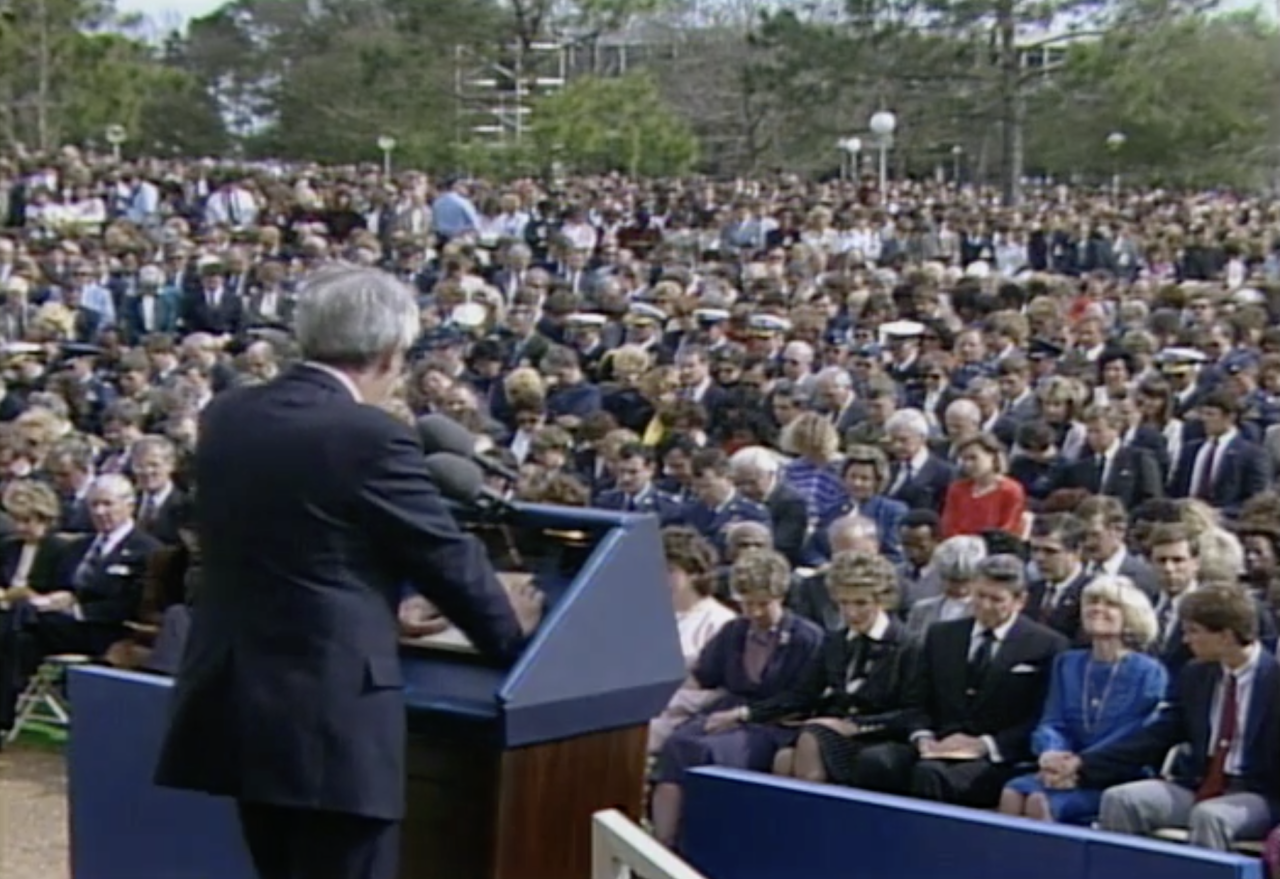
Hawley’s father — then the pastor at First Presbyterian Church of Salina — gave the invocation at the national memorial service for the Challenger astronauts three days after the tragedy in Houston.
“President Reagan was speaking and dad agreed to do that, so that was pretty emotional for me,” Hawley said, “as we were mourning the loss of my friends to have my dad there, giving the prayer for them.”
Resnik also was part of the Discovery crew for the 1984 flight and Hawley had worked with Scobee and Onizuka as part of the pre-launch processing team on earlier missions.
“You become really close to the ones that you share that experience with, so, yeah, Judy and I especially, were pretty close because of that shared experience.”
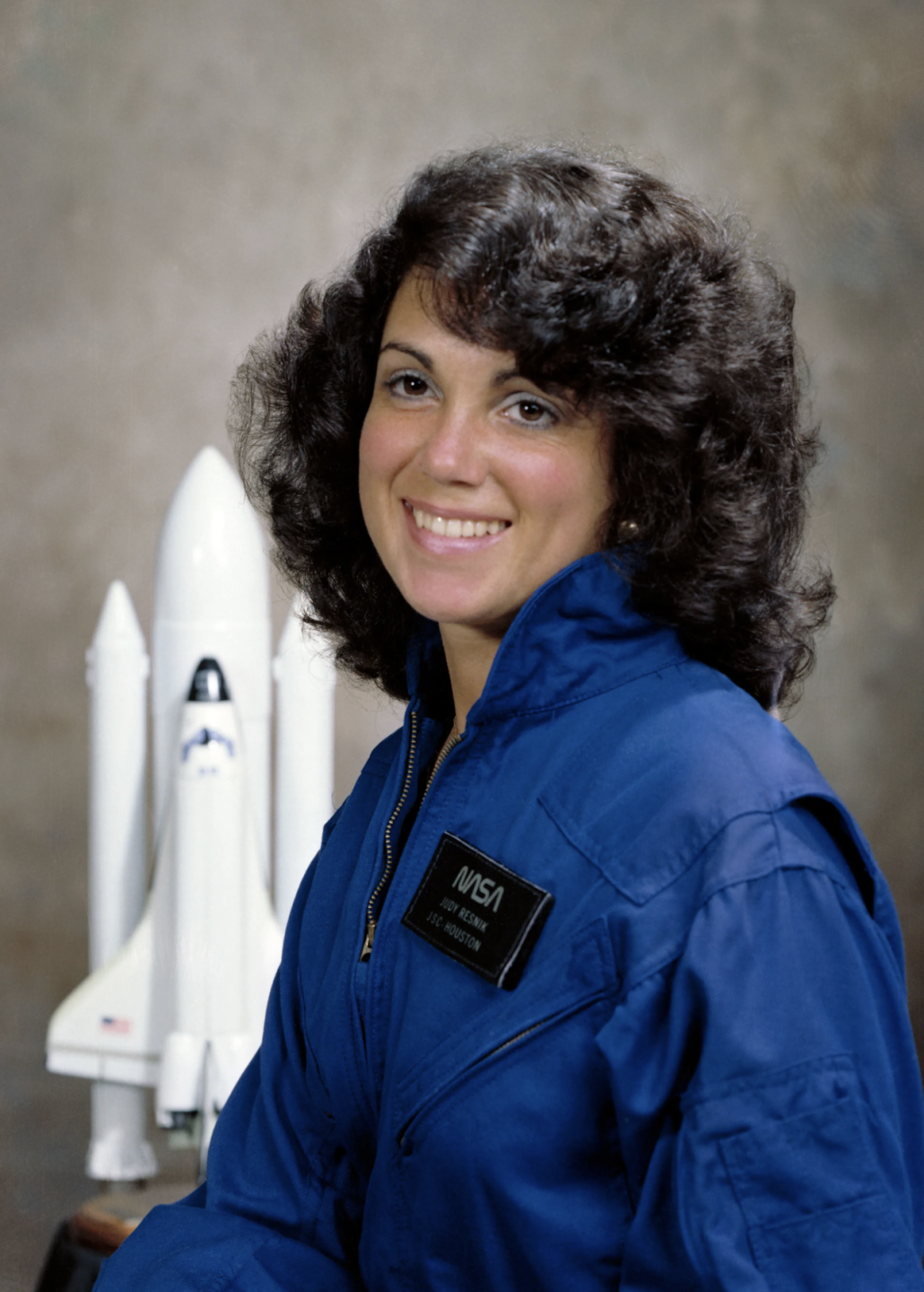
Hawley, who flew with 24 astronauts across five missions, had gone through astronaut training with McNair and met McAuliffe and Jarvis after they joined the Challenger crew.
“I remember being grateful to have known them and to have worked with them,” he said.
When Schaffer returned to work after the birth of her third child, SMSD moved her to a different school.
“I didn’t really want to leave my old school, because I loved the people that I worked with and I was worried I wouldn't find the same connection,” she said. “But when I found out I was going to be teaching at Christa McAuliffe (Elementary), I just kind of smiled and I knew that it was meant to be, it was where I was meant to be.”
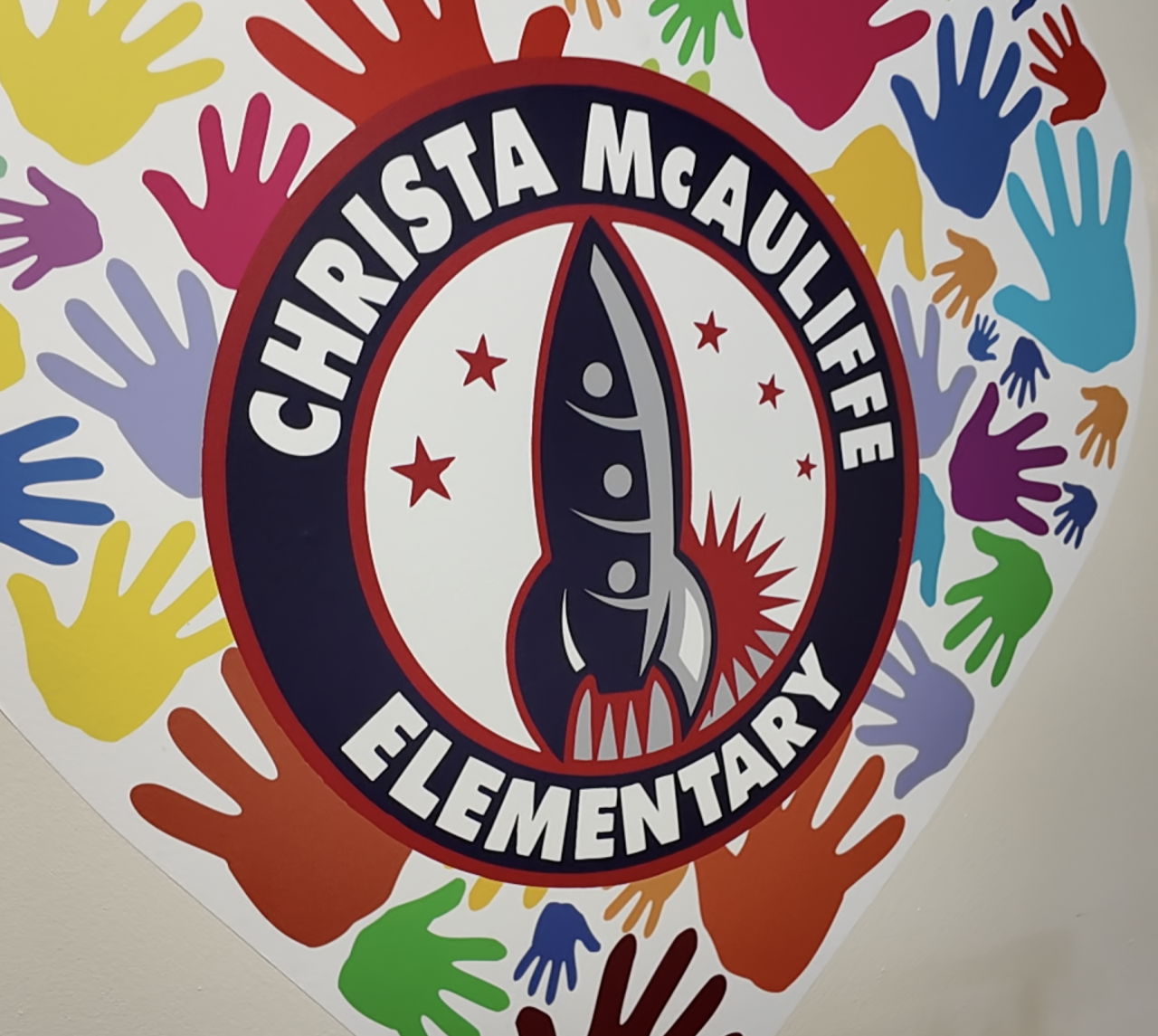
Christa McAuliffe Elementary, which opened in 1987, is one of more than three dozen schools across the country named for the fallen teacher-turned-dreamer-turned-astronaut.
Schaffer said she’s one of two teachers named “Christa” on the staff at a school whose mission is for kids to reach for the stars.
“If you think about naming the school after anybody, you want someone that kids can look up to,” Schaffer said. “You want something that students can be inspired by, and I think her (McAuliffe’s) story is more inspiring than it is anything else.”
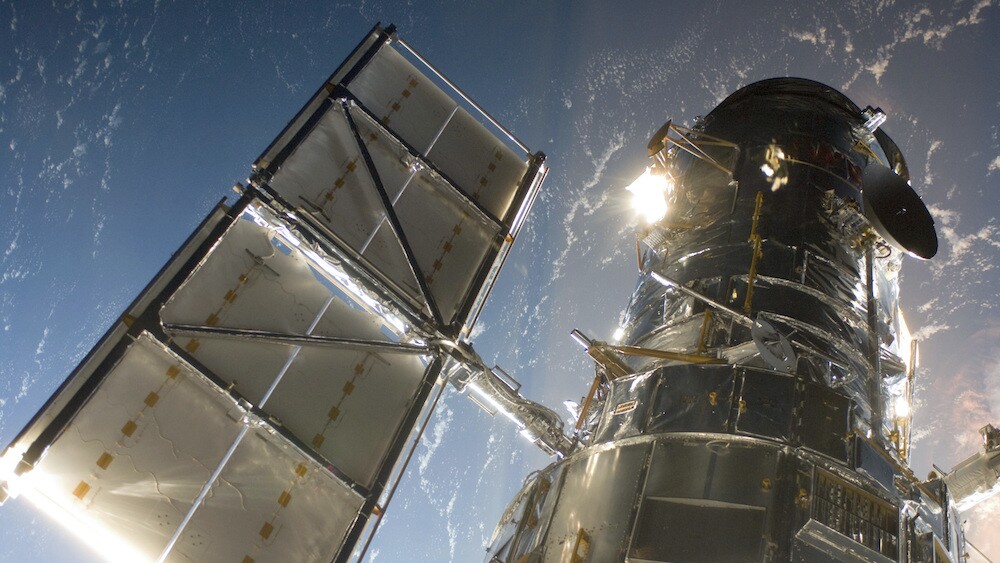
After the Challenger disaster, Hawley would go on to fly three more shuttle missions — for a total of five.
He was aboard Discovery when it deployed the Hubble Space Telescope in 1990 and again seven years later when Discovery returned for a maintenance mission.
Aboard Columbia, Hawley was part of the crew that deployed the Chandra X-ray Observatory in July 1999.
For him, the 40th anniversary wasn’t remarkable.
“The 40th doesn't mean that much to me, because I think about them all the time, so there's really nothing special about it being the 40th as opposed to some other anniversary or just some other time when I'm thinking about Judy,” Hawley said. “Ellison's birthday was just the other day, so I was thinking about him then. It's more than just once a year for me.”
—