

KANSAS CITY, Mo. — KSHB 41 reporter Lily O’Shea Becker covers Franklin and Douglas counties in Kansas. Share your story idea with Lily.
—
The Kansas Senate voted 21-18 on Tuesday to approve a list of rules and penalties for school districts regarding school walkouts.
Sen. Michael Murphy, a Republican representing Kansas District 34, proposed the amendment to the state's budget bill.
“It’s unconstitutional," Mark Johnson, a practicing lawyer who specializes in First Amendment law, said. "In other words, it would violate the student's First Amendment right to engage in free speech during school. Students have that right. What they can’t do is disrupt school, but this amendment would disrupt students from doing a peaceful walkout.”
Under the amendment, if a student walkout occurs at a school, that school must: get written parental consent for each student who leaves the building, apply attendance and discipline policies to any absent students, and make sure staff aren't helping or encouraging the walkout.

“Students have First Amendment rights," Johnson said. "They don’t have to get their parents' permission to get their First Amendment rights.”
Johnson referred to the U.S. Supreme Court's 1969 ruling in Tinker v. Des Moines, where the court ruled students don't "shed their constitutional rights to freedom of speech or expression at the schoolhouse gate," according to the United States Courts.
If a complaint is made, the State Board of Education could investigate.
The school district could face a financial penalty equal to the superintendent's daily base salary for each day a walkout happens. The money from the fine would go into the state's general fund, per the amendment language.
If a walkout occurs, that school day would not count as an instructional school day, according to the amendment.
The amendment defines a school walkout as an "organized effort for students to willfully violate school attendance requirements."
If fully approved, the new rules and penalties would go into effect next school year.
Kansas Sen. Doug Shane, a Republican representing Kansas District 37, voted in favor of the amendment.
“With these walkouts, what has happened is, students have been permitted to leave the school building and in some cases the school premises without parental consent, which causes real concern for me when these are minor children that are put in custodial care of our schools," Shane said.
Kansas Senate Minority Leader Dinah Sykes, a Democrat representing Kansas District 21, voted against the amendment.
"I think overall it's unconstitutional," she said. "Students should be able to protest."
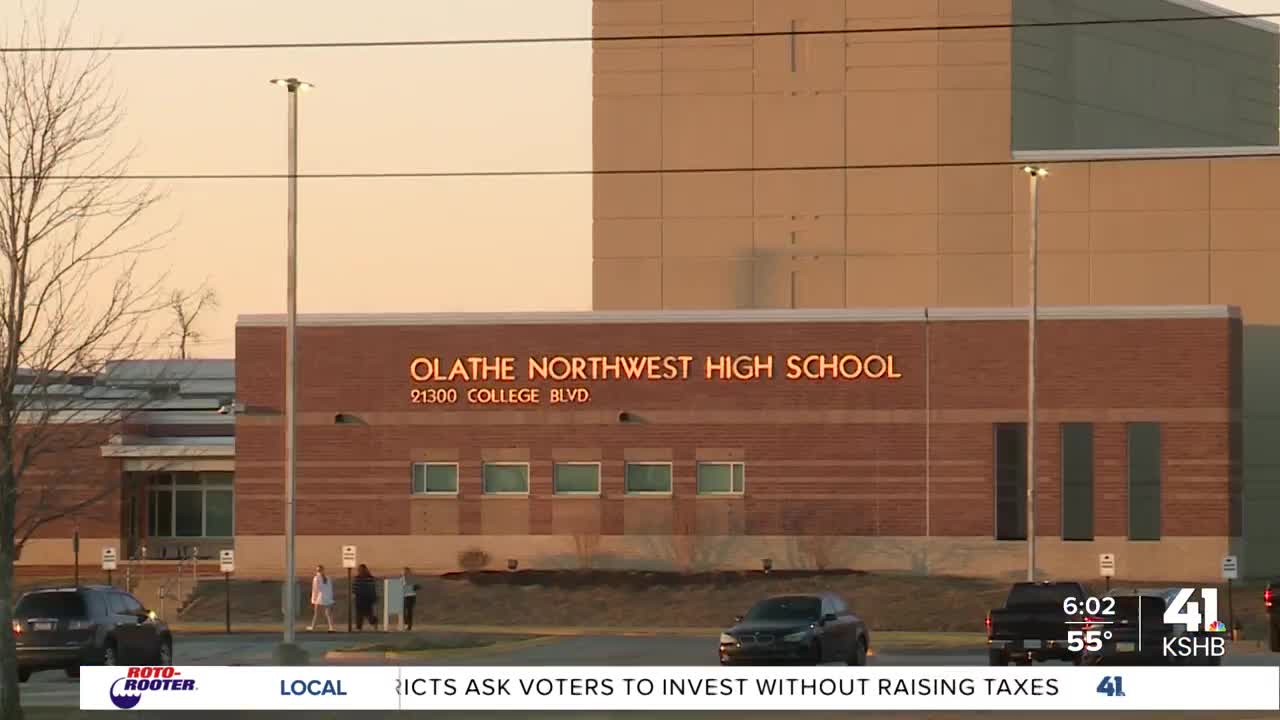
Both Sykes and Shane said they think a walkout incident just off the grounds of Olathe Northwest High School in February helped bring about the amendment.
RELATED | 4 teens arrested following altercation at student protest Friday in Olathe
Bogdan Zaslavsky's son was one of the students injured in the fight involving Olathe Northwest students.
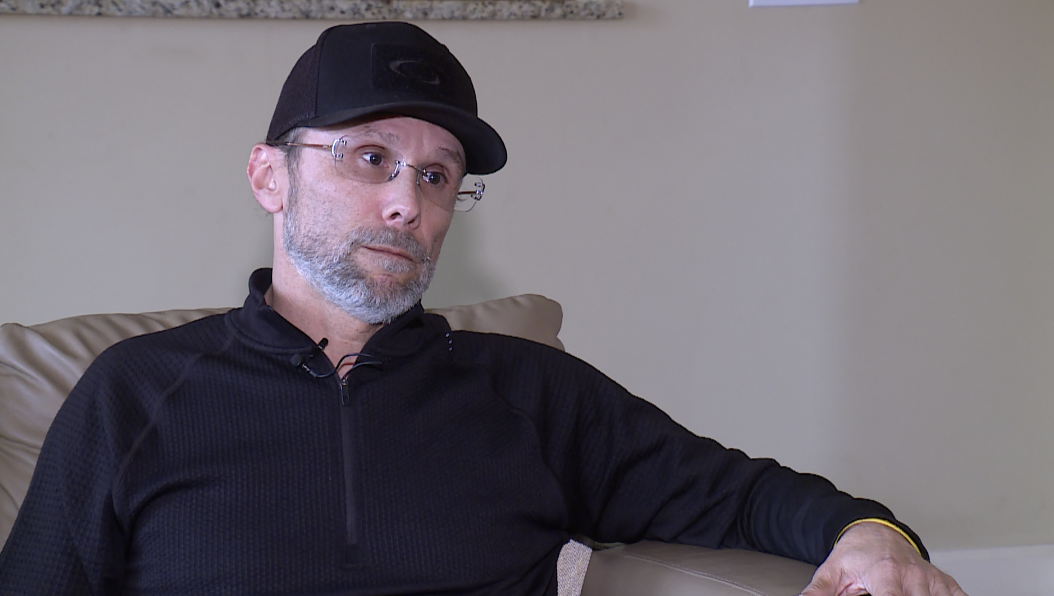
“I’m very proud of what the senate’s doing and how they voted on this because it’s serious," he said.
Across the street from where students held an anti-ICE protest on school grounds, Zaslavsky's son and others demonstrated their support of President Donald Trump.
Zaslavsky said he had a conversation with his son before his son engaged in the demonstration. He said he believes this amendment would create more accountability for both parents and school districts.
“I totally believe in freedom of speech, and everyone should practice what they believe as long as it’s not hurting anyone else or putting anyone else’s life in jeopardy, please do," he said. "But, I don’t believe you should have to defend yourself physically in a situation like that.”
Sykes said she believes the amendment is a response to the incident outside Olathe Northwest High School. She said that because it wasn't a peaceful protest, the current law is the appropriate response.
Four teens were arrested in connection with the altercation outside the Olathe school.
In the Tinker v. Des Moines ruling, the Supreme Court decided school officials could not bar students from expressing their freedom of speech based on the possibility of it disrupting the learning environment, per the United States Courts.
“As long as they’re peaceful and non-violent, there’s nothing wrong with it," Johnson said.
—