

OVERLAND PARK, Kan. — KSHB 41 reporter Olivia Acree covers portions of Johnson County, Kansas, including Olathe and Lenexa. Share your story idea with Olivia.
—
Kansas lawmakers are weighing a bill Tuesday that could expand tax credits for private school donors, potentially redirecting millions of dollars away from public schools.
House Bill 2468, also called the Education Freedom Tax Credit, would expand Kansas' tax credit scholarship program for private schools and, in turn, expand tax breaks for donors.
The bill passed the House last month by a vote of 70–49.
"We wholeheartedly support this program, which will offer Kansas students opportunities to improve their learning and augment their normal education," Vincent Anch, of the Catholic Education Foundation, said in testimony to the House last month.
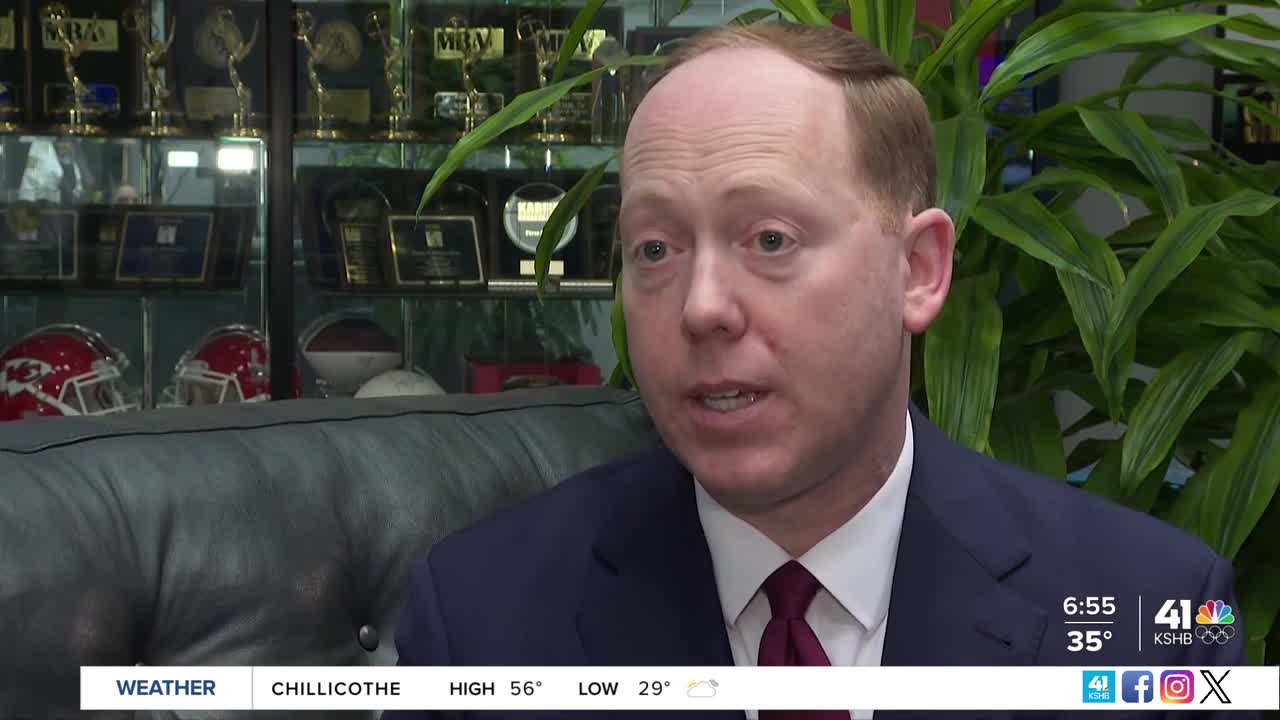
Opponents like Sen. Ethan Corson (D-District 7) warn the bill would mean losing money that would otherwise go to public schools.
Johnson County school leaders are worried about special education funding. Kansas has not met the 92% reimbursement for special education costs since 2011.
Corson says passing the bill would create a $61 million gap in Johnson County alone — money that could be pulled directly from general education budgets in districts that serve a combined 95,000 students.

"Kansans across the state have been really clear with me that they want to see their public dollars remain in public schools, and I think this bill actually does the opposite, especially at a time when we're not fully funding our special education obligations," Corson said.
Johnson County superintendents addressed the Kansas Legislature about special education funding when the session began. They released a joint statement that read in part:
"Fully funding special education should not be a partisan issue. We encourage all Kansas residents to contact your legislators and ask them to support full special education funding at the level required by law."

Corson also warns the bill may not actually support the students it is intended to help. While the bill is designed to provide scholarships to students in need, the federal tax credit outlines a need-based scholarship income threshold of three times the county median. In Johnson County, that figure is $320,000.
"I think it significantly expands it beyond what I think most people would think is a reasonable definition of a lower-income student who might not otherwise be able to attend a private school," Corson said.
As of late January, 23 states have opted into the Education Freedom Tax Credit, including Missouri. The Kansas Senate is scheduled to take up the bill at 1:30 p.m. Tuesday.
This story was reported on-air by a journalist and has been converted to this platform with the assistance of AI. Our editorial team verifies all reporting on all platforms for fairness and accuracy.
—