

OTTAWA, Kan. — KSHB 41 reporter Ryan Gamboa covers Miami County in Kansas and Cass County in Missouri. He also covers agricultural topics. Share your story idea with Ryan.
—
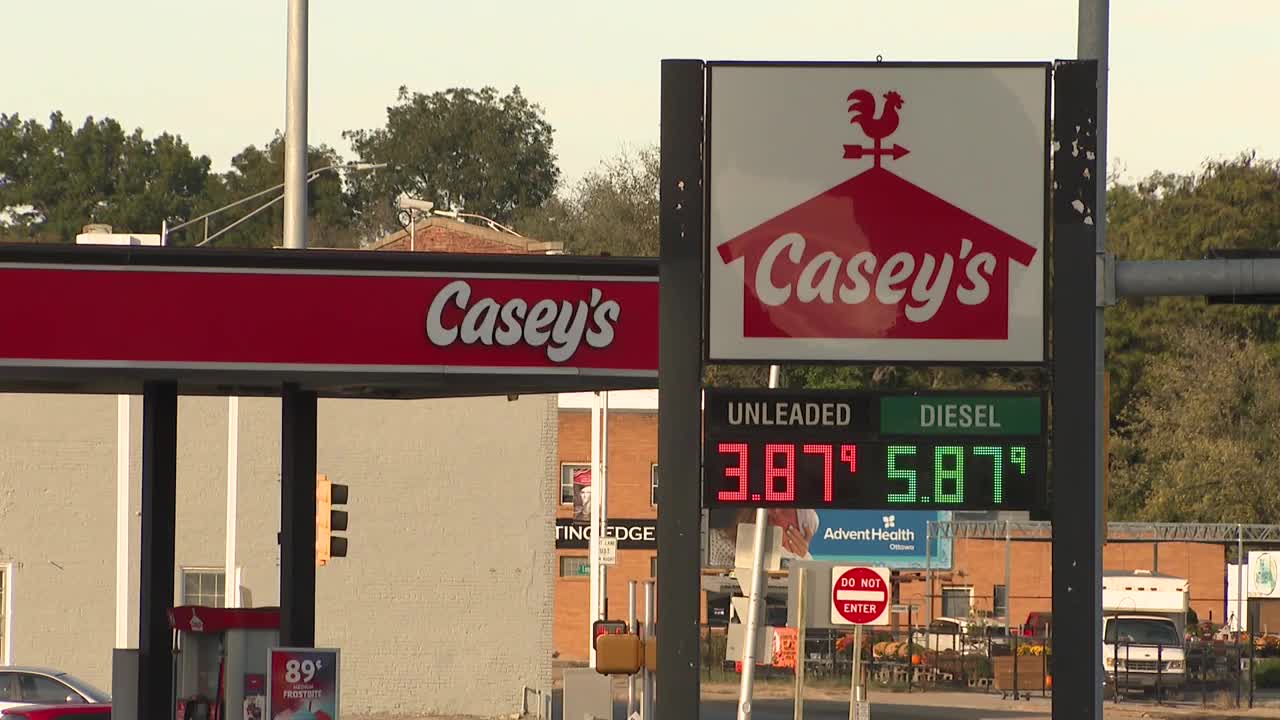
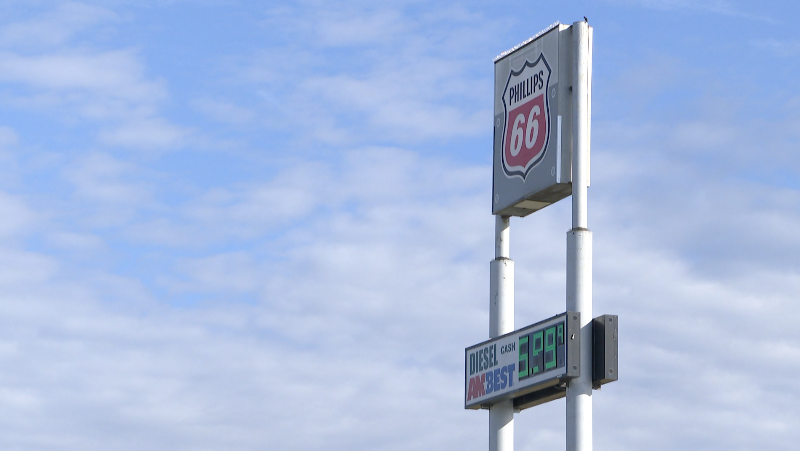
Stress around the fuel pump is taking its toll on Kansas farmers, with diesel prices up 70% since August, according to the Bureau of Labor Statistics.
During a campaign stop in Wichita on Monday, President Donald Trump announced a new round of one-time relief payments for farmers tied to high diesel fuel prices.
"Providing our farmers with $8 billion in support," Trump said.
The justification for the payments is high fuel prices, and the program is expected to resemble past relief efforts.
"My understanding is there's not a lot of details yet, but $8 billion for farmers. The justification is high fuel prices. From what they said, it sounds like it'll be similar to former programs," said Jennifer Ifft, a professor in the Department of Agricultural Economics at K-State.

The timing matters. With harvest underway and crop profit margins tight for years, the money arrives as farms decide whether to prepay inputs for next year, bid on cropland, buy equipment, or rent land.
"A lot of farms are having to pay really high fuel prices right now, and crop profit margins have been tight for a few years, so that's gonna be welcome relief. It's harvest time right now," Ifft said.
The numbers behind the pump
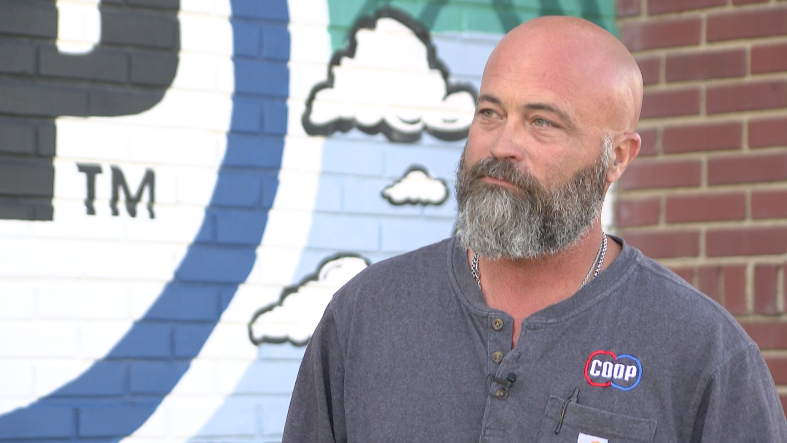
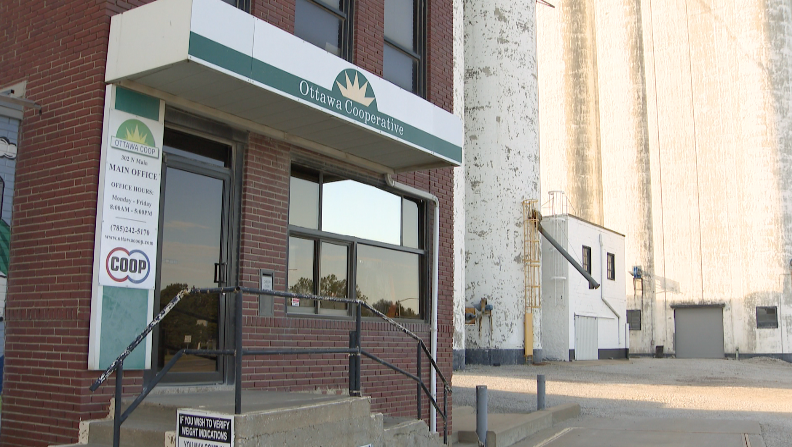
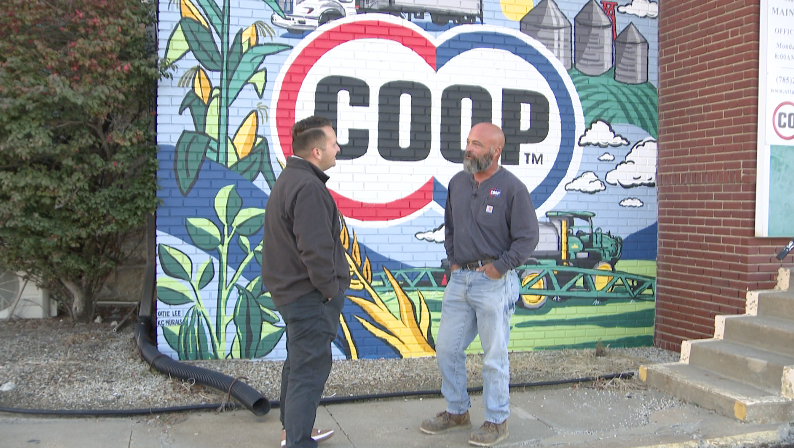
For Judd Perry, fuel manager at the Ottawa Co-Op, the stress is growing, and you can hear it in his voice.
Perry said fuel prices have doubled since the conflict began in February, making it twice as expensive to move grain, feed cattle, and run equipment. A combine, he noted, runs a 300-gallon tank that gets filled every two days.
"Before the conflict, a bushel of corn would buy two gallons of fuel. Now a bushel of corn doesn't buy a gallon of fuel," Perry said. "It takes more than a bushel and a half to pay for a gallon of fuel now."
The math weighs heavily on farmers. Gregg Ibendahl, an associate extension professor at K-State University, said farmers paid about $31,000 a year for diesel last year, and that cost could double this year.
"Farmers being in a really competitive environment don't really have a way to pass that cost back on to anybody else, so they have to absorb that cost themselves, so you're asking a farmer to take on another $30,000 in diesel fuel costs this year," Ibendahl said.
A band-aid, not a cure
Experts tell me these unplanned payments are becoming more common.
"Since 2018, Ad Hoc payments have been the largest core of support to farmers," Ifft said.
Ifft said the payments have grown more prevalent because of the first trade war, the pandemic, natural disasters, and now low crop profit margins, calling them "a feature of farm policy."

Ibendahl said farmers would be struggling without them.
"If it wasn't for these Ad Hoc payments, farmers would be in a world of hurt right now," Ibendahl said.
Still, both experts described the payments as a short-term fix rather than a lasting solution.

"Ultimately, we need a Farm Bill that kind of addresses these things so we don't have to keep going to this emergency thing to get those Ad Hoc dollars," Ibendahl said.
For Perry, the relief offers only temporary help.
"It's kind of a band-aid, let's put it that way, or a piece of Scotch tape to keep things moving," Perry explained.
That sentiment echoes what Perry heard from a farmer earlier on Tuesday morning.
"We just want to make it work, that's all we want to do, we don't want help, but help is appreciated," Perry said the farmer told him.
Relief is far away
Experts warn that a shortage of refining capacity, the Russia-Ukraine conflict, and the Iran war will only continue to push prices higher.
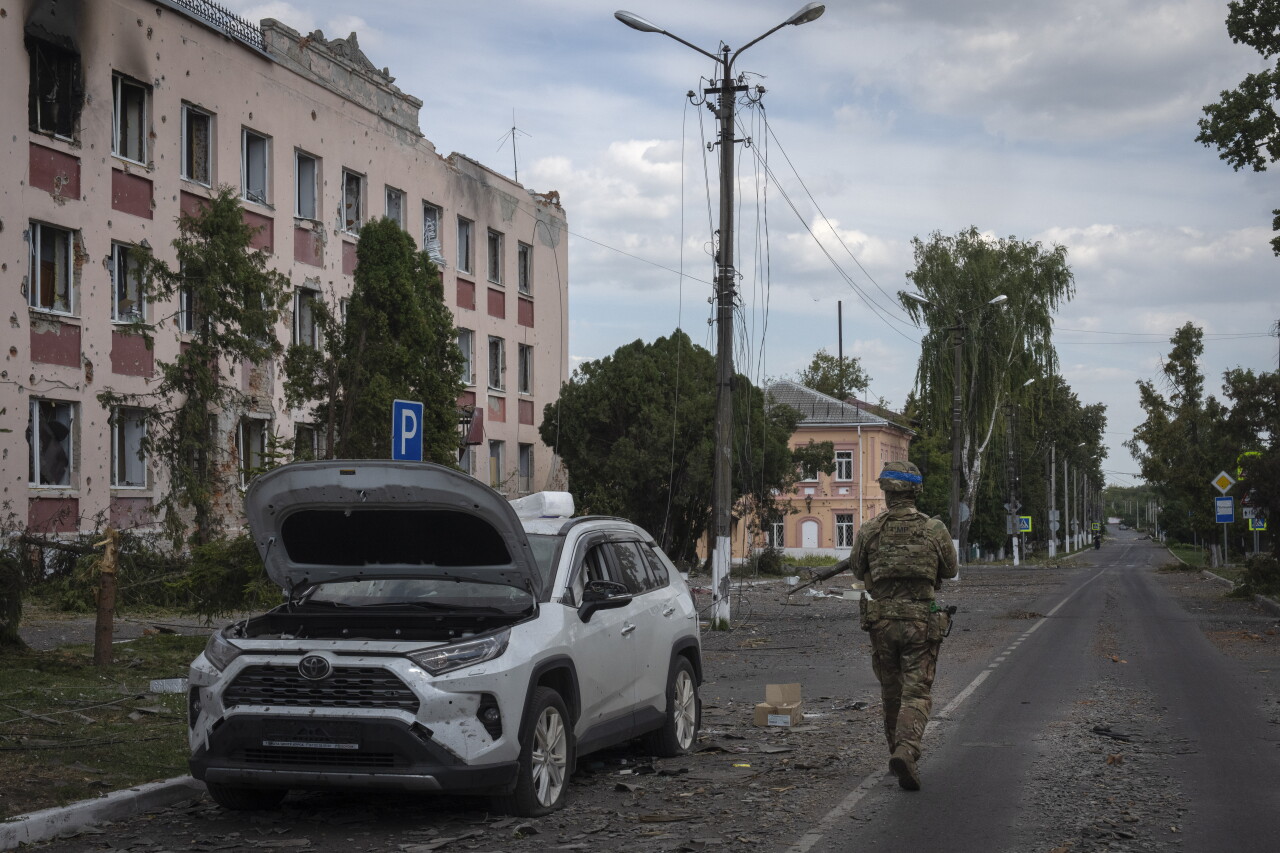
The U.S. exports about 30% of its diesel fuel, and Ibendahl said even the best-case scenario would take time to unwind.
"If we got the whole Strait of Hormuz shipping diesel fuel, through the strait tomorrow it would probably take a year to get prices to go back to where diesel prices were in February," Ibendahl said.

While this new payment helps, the future remains dull for some farmers.
"The farm stress — people will stay up at night, worrying about how to make things work," Perry said.
What it means for consumers
The pain doesn't stop at the farm gate. Ibendahl said the biggest impact on consumers will come from the added cost of shipping, and Perry expects it to reach the grocery store.

"I think we're gonna see a serious uptick in prices in the grocery store, to be honest with you, because it takes twice as much money to move as much product," he said.
"I think $6 or $7 could be the new norm for diesel prices and a $2 premium for gasoline," Ibendahl said. "I don't think anybody is really immune to higher diesel prices. It is the lifeblood of our country. It's one of those things we have to have to make our country run."

Guetterman Brothers Farm harvesting Soybeans near Bucyrus, Kansas.
For Perry, the message is simple.
"People don't understand it affects everybody," he added.
For now, the $8 billion offers some relief, but farmers and experts agree the pressure at the pump isn't going away anytime soon.
This story was reported on-air by a journalist and has been converted to this platform with the assistance of AI. Our editorial team verifies all reporting on all platforms for fairness and accuracy.
—