


KANSAS CITY, Kan. — KSHB 41 reporter Rachel Henderson covers neighborhoods in Wyandotte and Leavenworth counties. Share your story idea with Rachel.
—
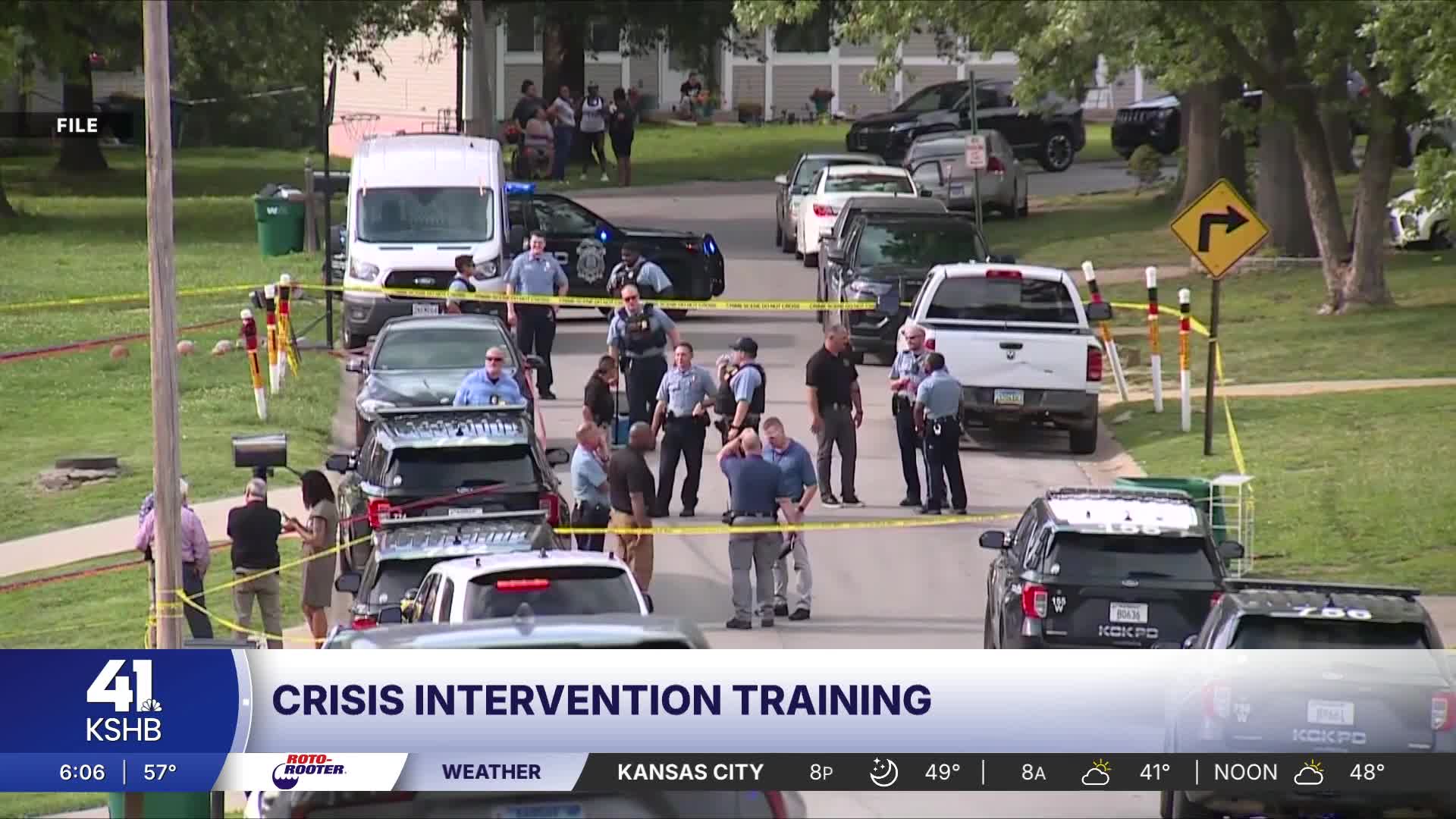
A Kansas City, Kansas, police officer shot Jesse West, 36, on Nov. 6 in the city's fifth officer-involved shooting of 2026, raising community questions about the use of force and reigniting a broader conversation about how law enforcement responds to people in mental health crises.
The Kansas Bureau of Investigation said a family member called 911 reporting that West was behaving erratically. Officers said they saw West with a firearm. Investigators later reported finding "rifle components," but community members are questioning what exactly those components were, whether West was armed at the moment he was shot and exactly what happened after he got out of his vehicle.
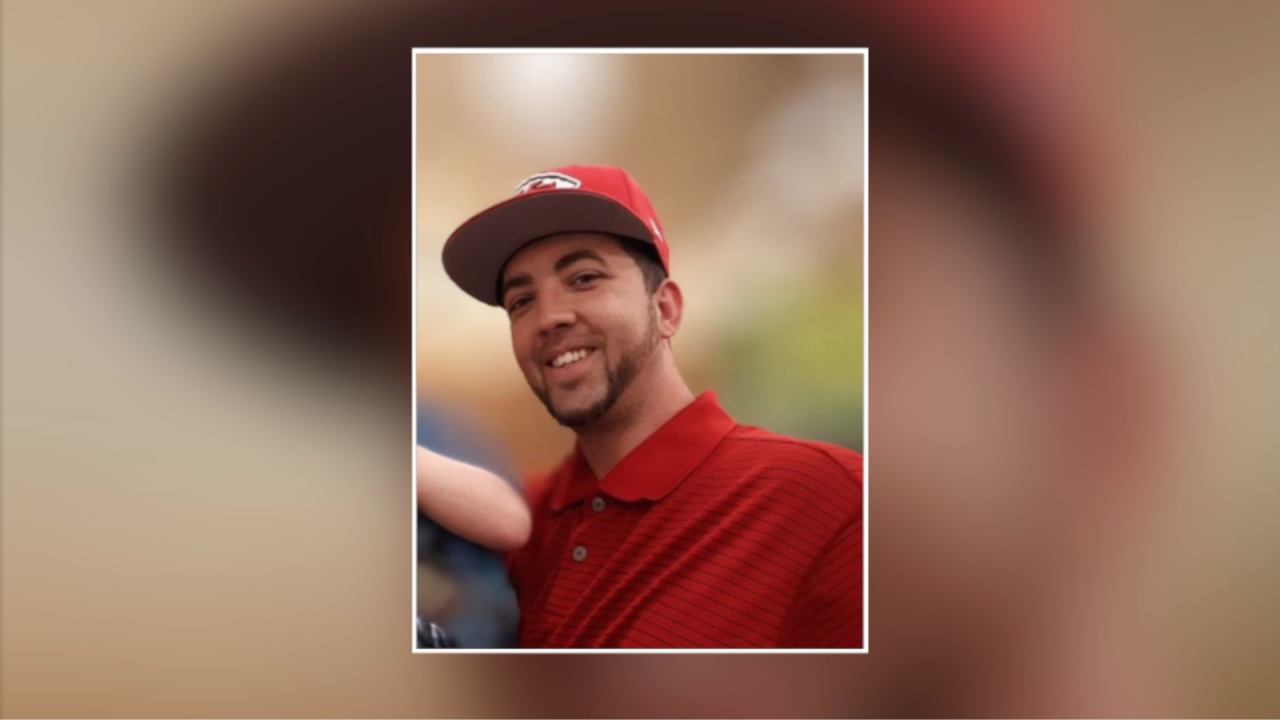
A KBI spokesperson confirmed to me that West was outside the vehicle when he was shot. I have requested the 911 call and body camera video.
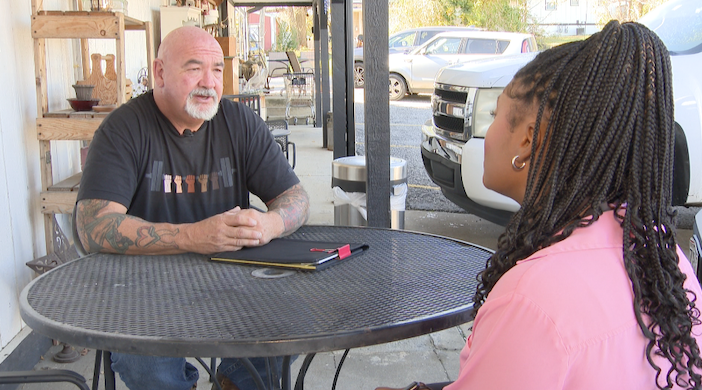
I spoke with William Rogers, a family advocate, about the shooting on Tuesday.
The shooting raises a broader question about how police respond to people in crisis. KCKPD is one of several area departments that use crisis intervention training, or CIT.
Dr. Amy Watson, a professor in the School of Social Work at Wayne State University, researches CIT and has studied both civilian and police perspectives.
She's also president of CRPT, or Crisis Response Programs and Training.
Before earning her doctorate, Watson worked as a probation officer on a specialty team where clients were primarily people with mental illnesses. She has since conducted multiple studies on CIT, including a recently completed 7-site study on CIT training.
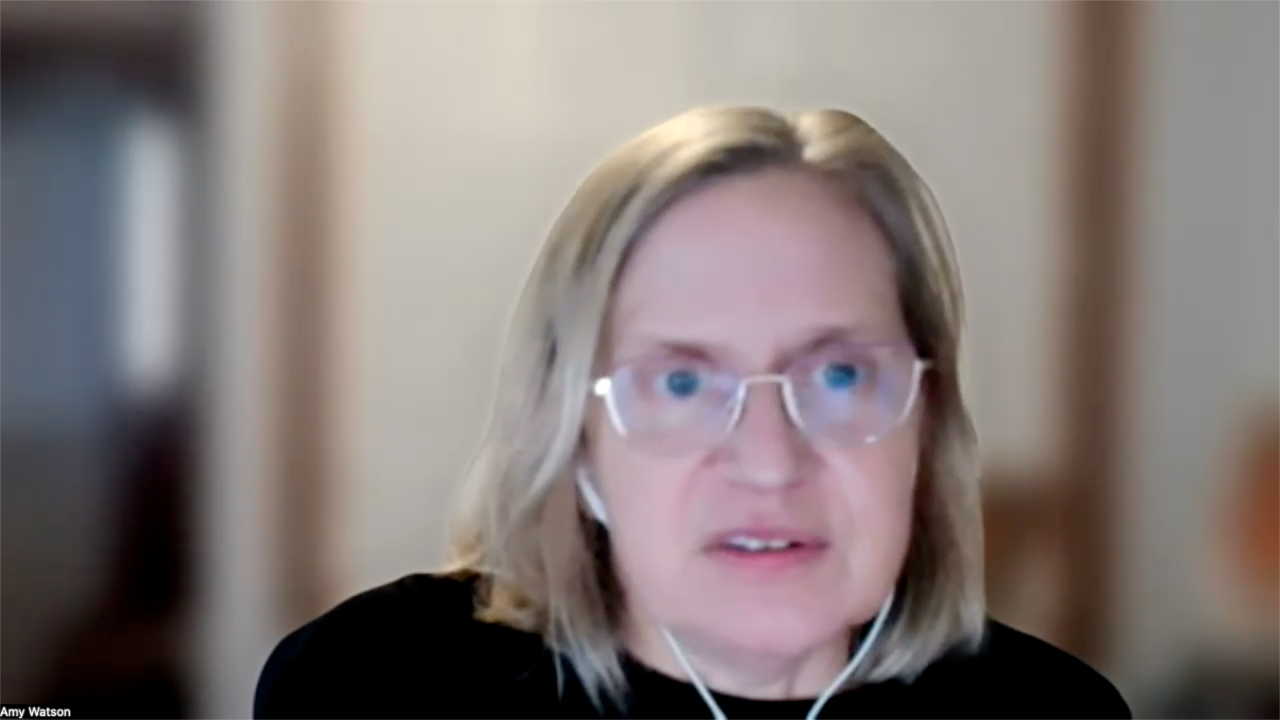
"When we talk to people who've been the subject of those encounters, one of the things they talk about is how vulnerable they feel,” Watson said. "They may be going through a crisis where they're already kind of feeling heightened and vulnerable and then bringing police in often makes them feel like they're going to get killed.
"On the flip side, when you talk to police officers, often times they feel like these could be really dangerous interactions, and they don't always feel adequately prepared to respond."
She said the situation can quickly become a Catch-22.
"You have basically two parties that are feeling at risk, which is not a great recipe for things staying calm,” Watson said.
KCK also uses mental health co-responders, but they work Monday through Friday, 9 a.m. to 5 p.m. Watson said expanding coverage could start with training, but cautions that training doesn't always guarantee the right outcome.
"The issue that comes in is assuming that means you're going to get an officer who is well suited for this work,” Watson said. "We probably don't have enough master's-level licensed clinicians to cover 24/7 everywhere. That's not necessarily why people get their master's degree to work overnight."
I will continue to follow up on this story. If you have tips or information, email wyandottecounty@kshb.com.
This story was reported on-air by a journalist and has been converted to this platform with the assistance of AI. Our editorial team verifies all reporting on all platforms for fairness and accuracy.
—