




KANSAS CITY, Kan. — KSHB 41 reporter Rachel Henderson covers neighborhoods in Wyandotte and Leavenworth counties. Share your story idea with Rachel.
—
As the Unified Government of Wyandotte County/Kansas City, Kansas, challenges the state of Kansas over its authority in the new Kansas City Chiefs stadium deal, community members say they want a voice. At least one expert says their skepticism is part of a nationwide shift.
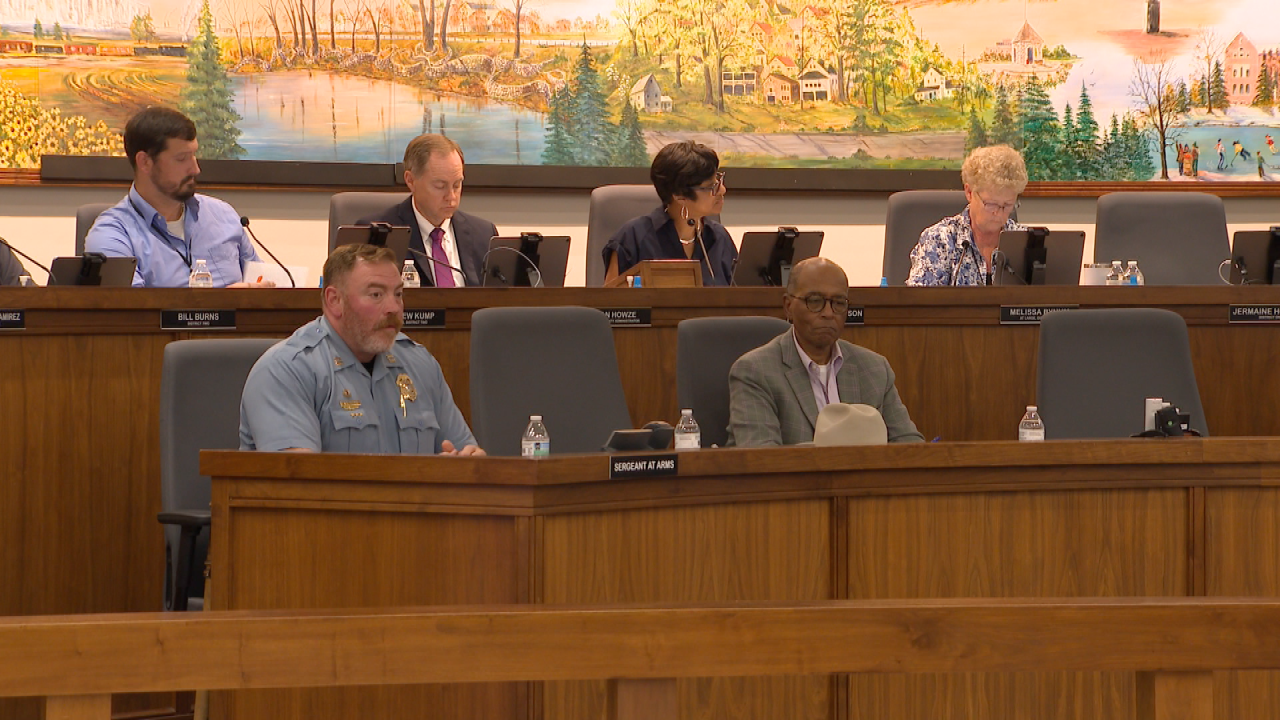
I attended the UG Commission meeting last Thursday alongside Wyandotte County residents Scott Harding and Frank Ramirez.
Ramirez said he had low expectations heading in.
He formerly served as Mayor and CEO Christal Watson’s chief of staff before resigning over the deal.
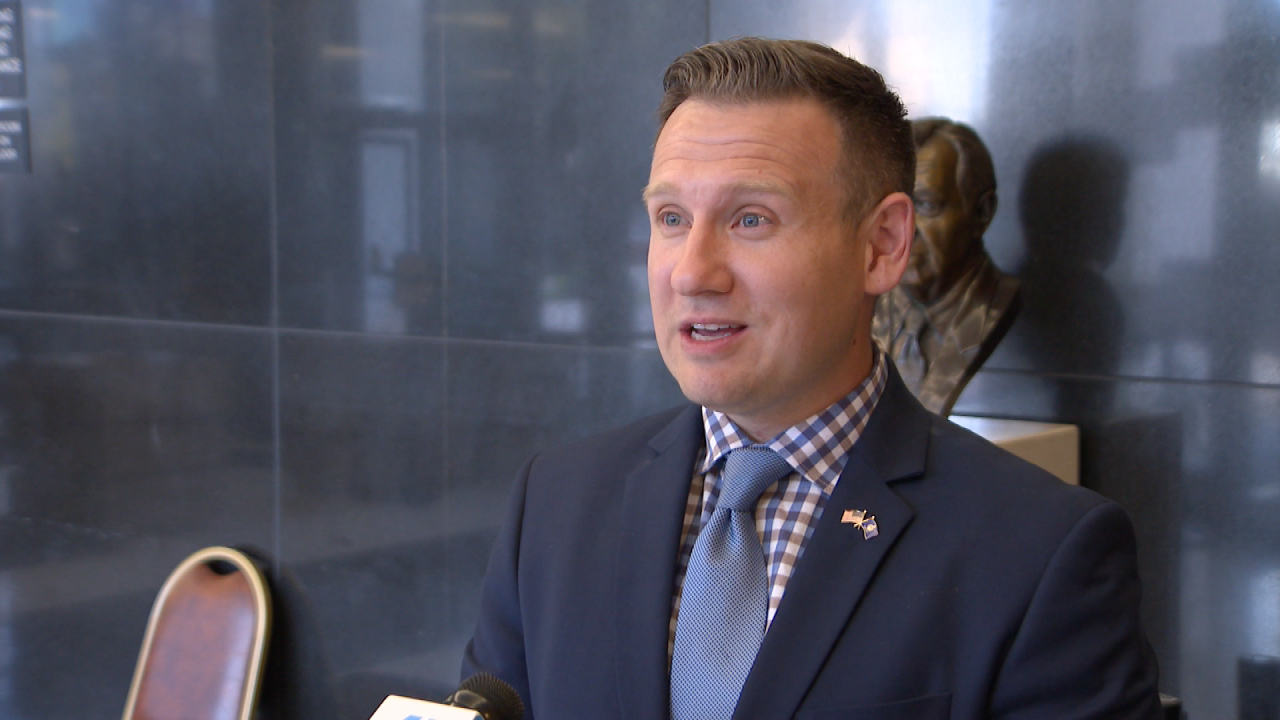
"I was expecting another disappointment, to be completely honest with you. Now, I will say, talk is cheap; actions are what's important," Ramirez said. “What drove the decision to change it? I hope it's that they heard the community. I also hope this wasn't a political strategy just to gain public trust.”
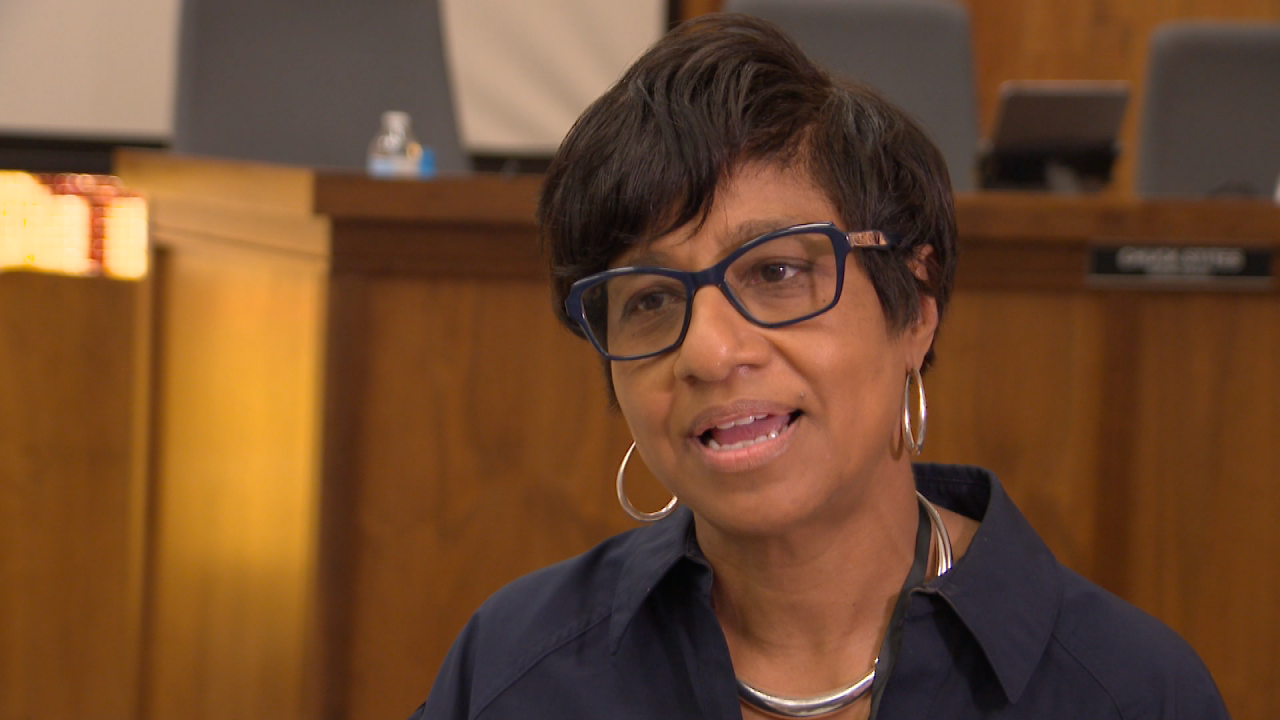
Watson defended the commission's decision.
"We're just doing what's in the best interest of our community," Watson said after Thursday’s unanimous vote.
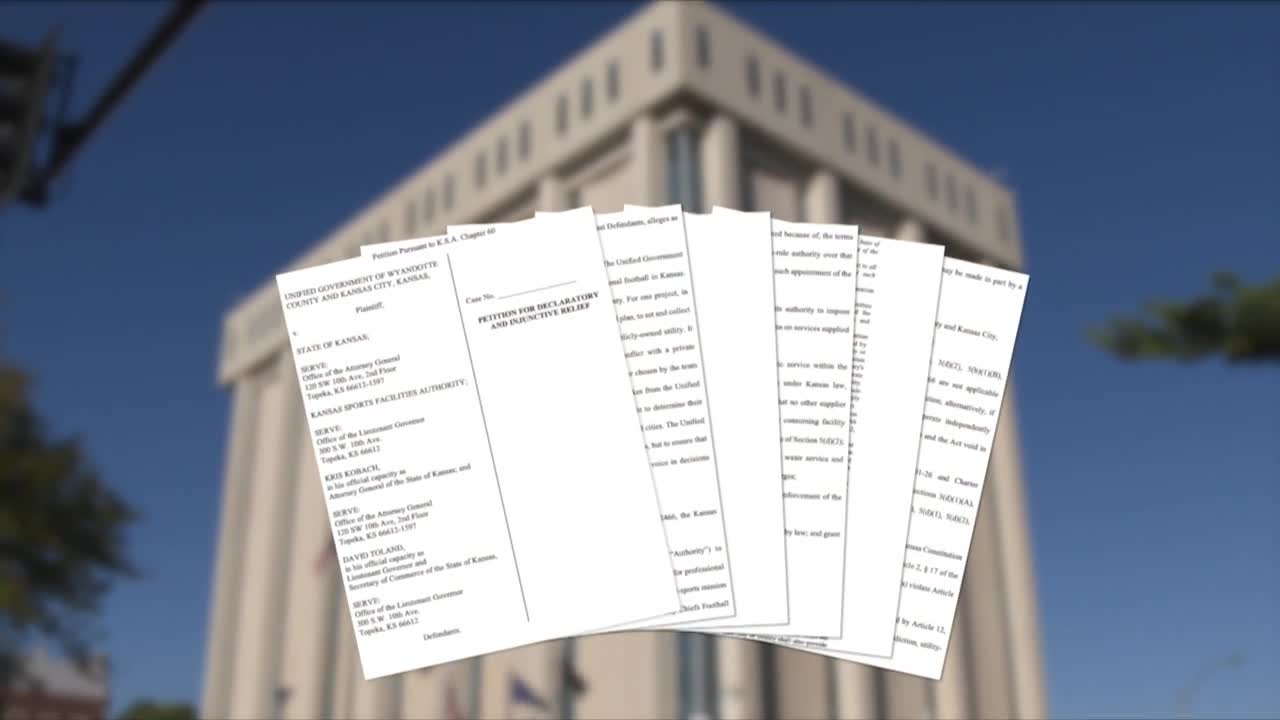
Friday, the UG filed a suit against the state over its authority in the stadium deal.
The UG's legal counsel argues the Kansas Sports Facilities Authority Act — House Bill 2466 — strips local government of its authority to tax, zone and provide utility services through the community-owned Board of Public Utilities.
Dr. Michael Smith, a professor of political science at Emporia State University who specializes in state and local government, said the way the deal came together left Wyandotte County on the outside.
"In Wyandotte County in particular, the state really kind of went around them and negotiated this. They haven't been sold on it yet," Smith said.
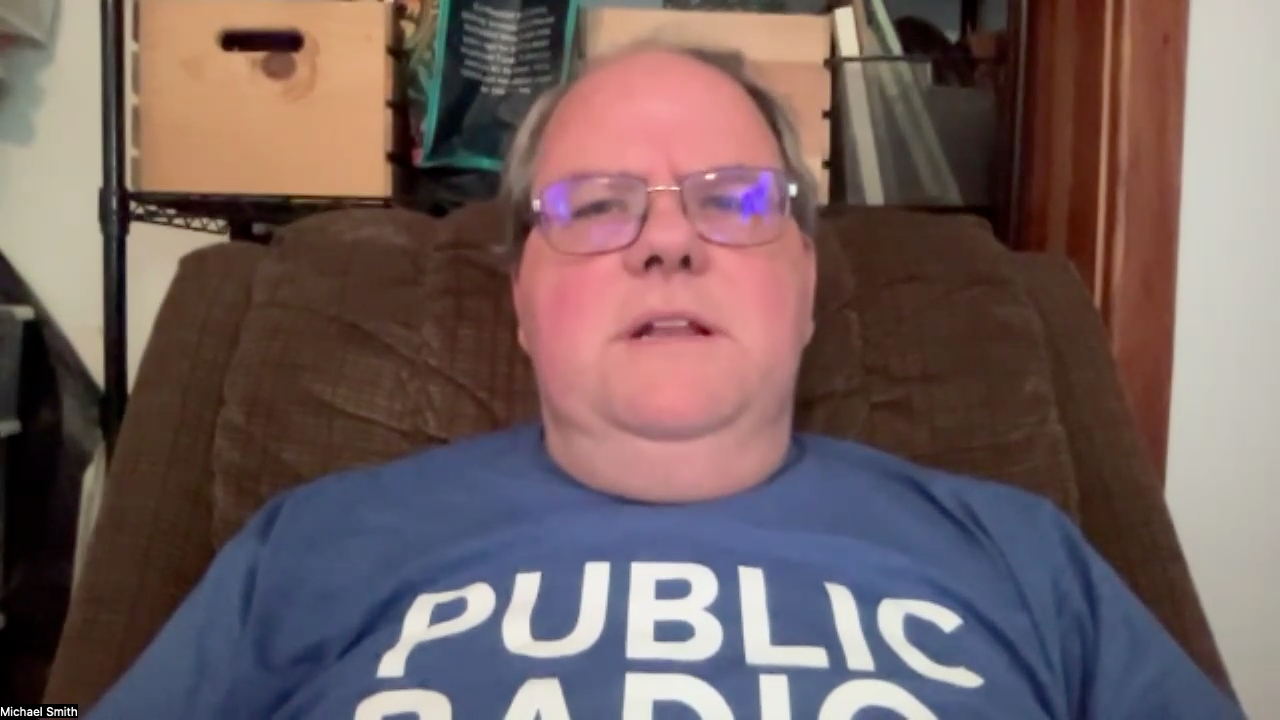
Smith said the pushback reflects a broader shift in how voters view stadium deals — one that doesn't require fans to choose sides.
"Voters can walk and chew gum at the same time. They can say we love the Chiefs, we're not too sure about this stadium deal," Smith said.
The mindset wasn’t always where it is now.
“In the 90s and early 2000s, it seemed like there was a consensus,” he said. “That these things were economic development projects, that they would pay for themselves with all the revenue they would generate and, of course, when it’s sports, fans love it. ‘Cause they love their team.”
Smith said the impact has been especially clear locally.
“More recently, we’ve in Jackson County, Kansas City, now Wyandotte County, voters have become more skeptical. Sports economists have been saying for years that these projects do not pay for themselves," Smith said. "What they do is divert revenue that could be used for something else. There does appear to be revenue generated there, but that’s actually diverted revenue that would have been popping up somewhere else in the economy. That’s not new growth.”
Voter fatigue has begun to reflect expert opinions, according to Smith.
“More recently, the voters have become much more weary. They’re struggling with inflation, housing costs, grocery costs and all this stuff, and they’re starting to move closer to what economists have been saying for years, which is no, these projects actually don’t pay for themselves," Smith said. "They’re scrutinizing them a lot more. Like, for example, when Jackson County voters turned down a sales tax that started this whole stadium relocation fight in the first place.”
Harding, a self-described Chiefs fan, said the team's owners should bear more of the financial burden.
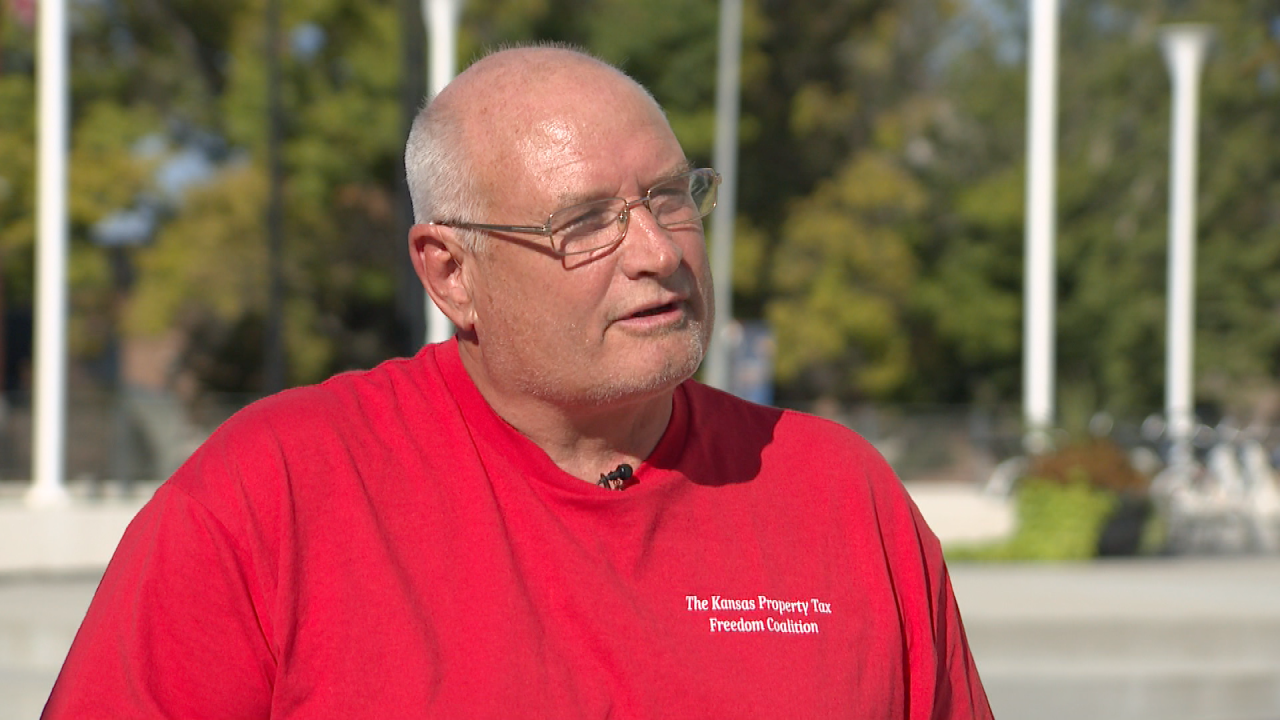
"I love the Chiefs, but they're one of the richest people in the world. They could pay for it," Harding said.
The Chiefs have said they will cover 40% of the $3 billion stadium cost.
I reached out to Watson's office Monday with questions, but she was not available.
All in all, Smith says the political climate has changed.
“That skepticism about billionaires I think is part of the equation, too,” Smith said. “We haven’t seen our last stadium deal. But I think that there will be much higher expectations to prove the benefits to the community moving forward.”
This story was reported on-air by a journalist and has been converted to this platform with the assistance of AI. Our editorial team verifies all reporting on all platforms for fairness and accuracy.
—

![092126_KSHB_WX_480x360[61].jpg](https://ewscripps.brightspotcdn.com/dims4/default/79e7fad/2147483647/strip/true/crop/480x360+0+0/resize/960x720!/format/webp/quality/90/?url=http%3A%2F%2Fewscripps-brightspot.s3.amazonaws.com%2F6f%2F6d%2Fa3758caf4c0984b0ecf100f620d1%2F092126-kshb-wx-480x36061.jpg)