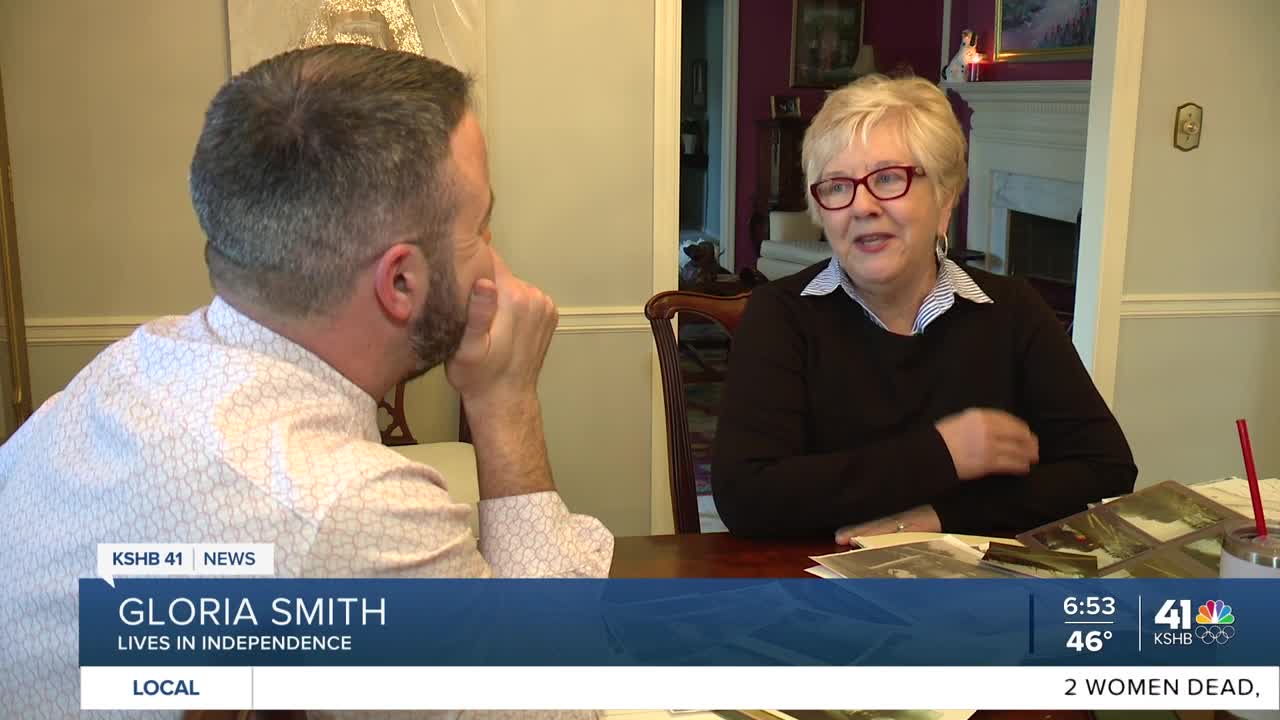


JACKSON COUNTY, Mo. — KSHB 41 News anchor Taylor Hemness reports on stories across Kansas, including a focus on consumer issues. You can contact Taylor by email.
—
"You should do a story on the disappearing town of Courtney, Missouri.”
That's what someone told me about a week ago during our Let’s Talk listening session in Independence. I'd never heard of Courtney, Missouri, and maybe you haven't either.
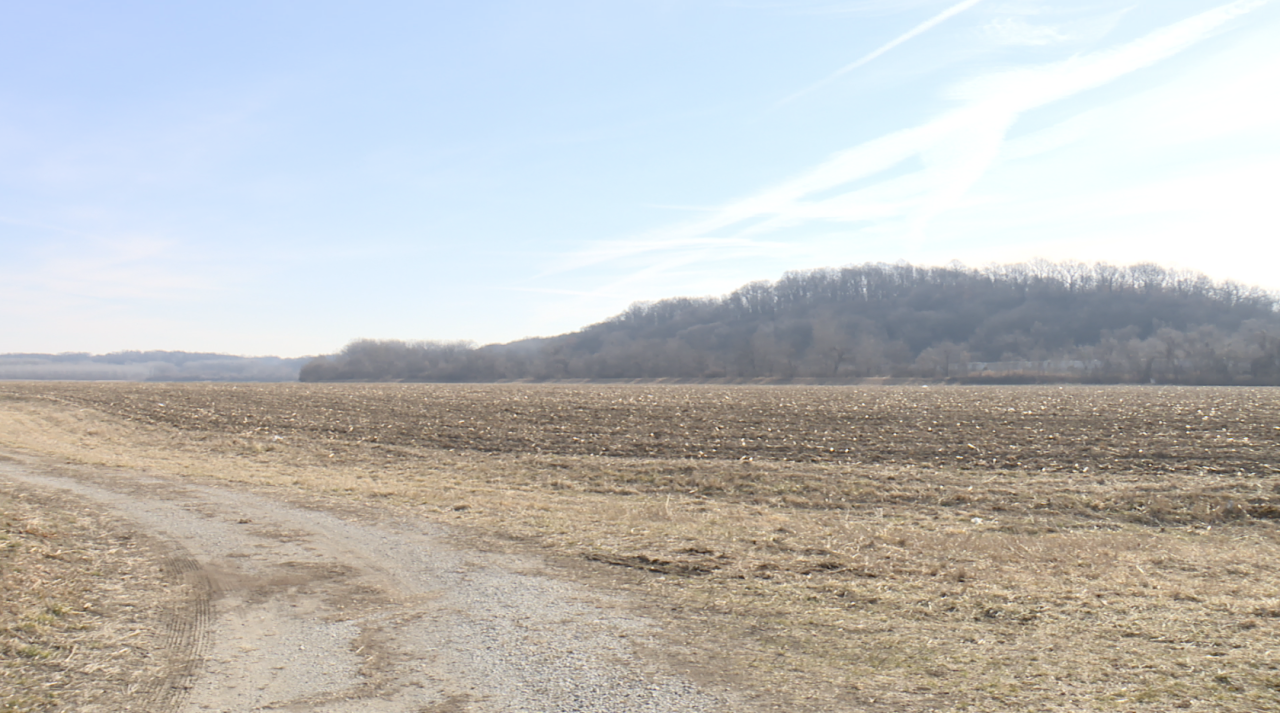
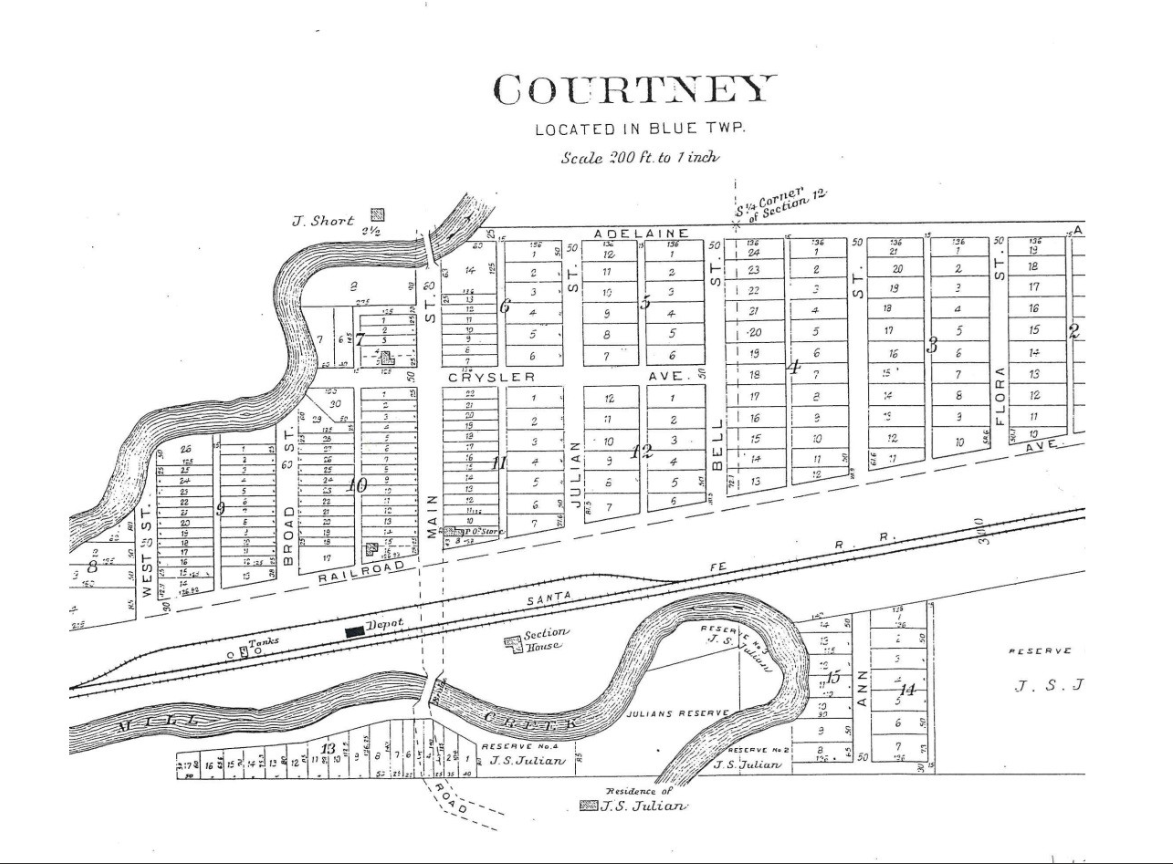
But there’s a big field bordered by train tracks and Missouri 291 Highway in Independence that used to be Courtney.
More than 100 years ago, Courtney was a small but thriving community with a post office and a couple of general stores. That's clearly no longer the case.
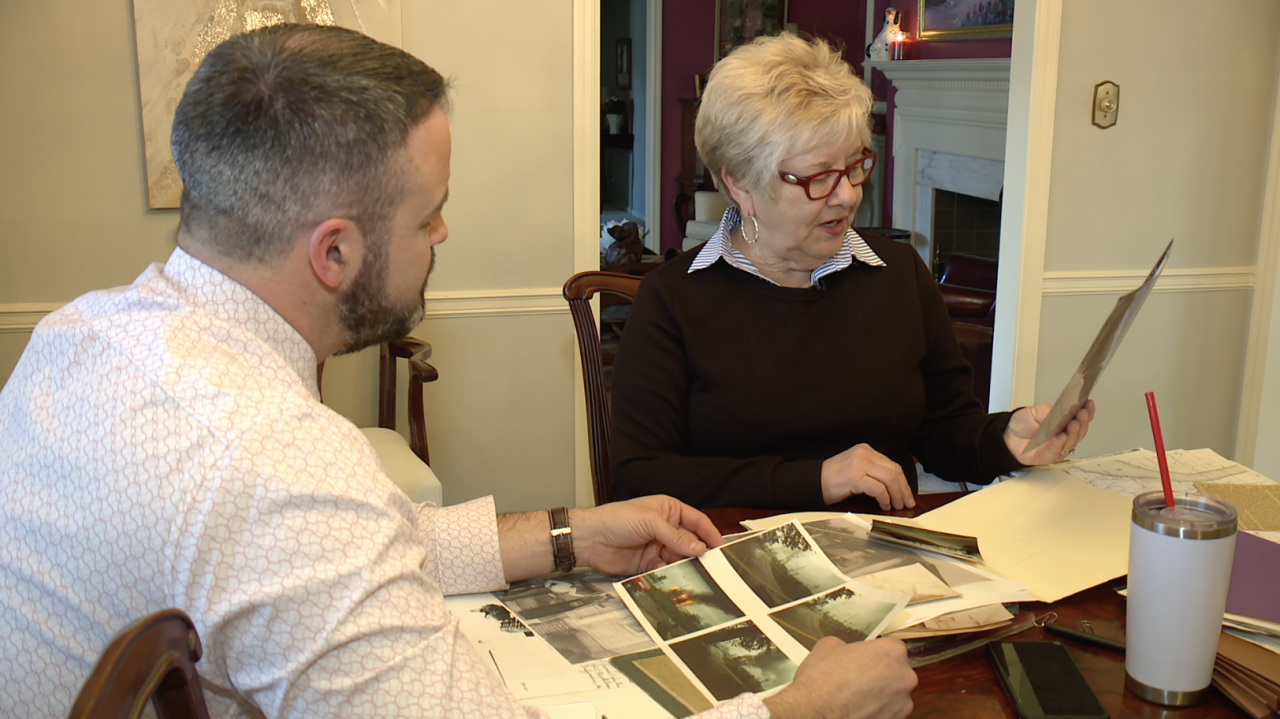
However, I did find a woman in Independence who knows a lot about Courtney. She sat down with me at her home to give me a history lesson.
"Asking me to talk about Courtney is as exciting to me as saying, ‘Tell me about your grandchildren,’" Gloria Smith told me.

Smith lives about 15 minutes from where Courtney used to be. She told me what conversations about Courtney sound like today.
"Well, you go down the highway, and it's that, you know,” Smith told me, miming a map with her hands. “And then they go, 'Oh, yeah, I kind of know where you are.’ But [for] most people, it's gone."
Turns out, Smith’s family has deep roots in the town that no longer exists.
"These are people's lives, and this was a thriving community, and it's all gone," she told me. “I drive by, and I just try to visualize what it was like when our family lived there. I always think about them."
These lives were interesting. She's gone back generations, including finding a multi-great-grandfather, Benjamin Franklin Bush, who ran one of Courtney's general stores and the post office. Bush was also one of the world's leading botanists, identifying tens of thousands of plants.

Smith is the board president of the Jackson County Historical Society. She loves history and is proud of every piece she's found; she just wishes more people felt the same way.
"That's how we are as a community and as a country ... we aren't preserving enough of our history,” Smith said. “And if you don't know where you came from, how do you know where you're going?"
So why did Courtney fade away into history?
Smith says technology had a lot to do with it, according to her research.
“People living in the area in [the] late 1800s and very early 1900s did not drive automobiles, and local services were necessary,” she explained to me via email. “With advancement in autos, they were then going into Independence or north to Liberty for goods and services.”
Not only that, but Smith says farming advancements meant that small family farms, which made up practically the entire population of Courtney, became harder to maintain.
—