KANSAS CITY, Mo. — KSHB 41 reporter Ryan Gamboa covers Cass County in Missouri. He also covers agricultural topics. Share your story idea with Ryan.
—
U.S. Secretary of Agriculture Brooke Rollins announced the Ranchers First Initiative on Monday. The effort aims to rebuild the nation's beef herd and put ranchers first, according to a press release.
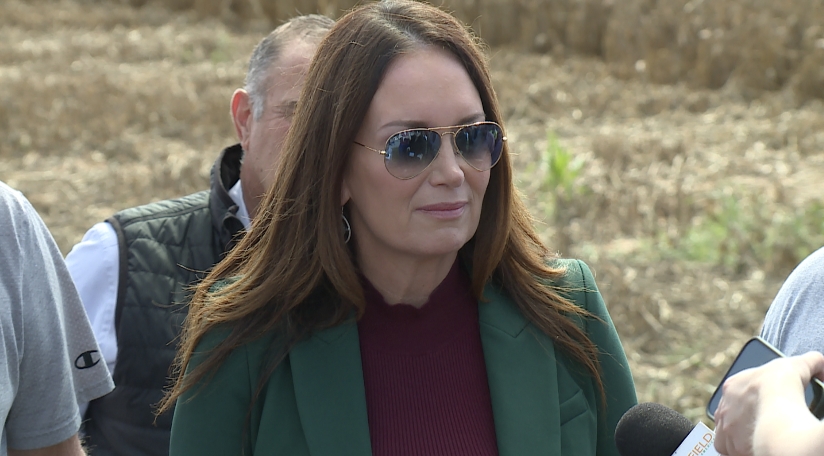
The United States cattle herd is at a historic 75-year low due to years of drought, increased input costs and land pressures. Beef prices have increased at the meat counter for consumers due to the tight supply.
Agriculture producers have also expressed concerns over competition in the marketplace due to four major meat packers — Tyson Foods, Cargill, JBS and National Beef — controlling 85% of the meatpacking industry.
The Ranchers First Initiative is a pro-cattle policy package from the Trump administration aimed at increasing the U.S. cattle herd, helping ranchers stay in business, expanding smaller/local meat processing capacity, reducing regulations and federal barriers, and favoring American-raised beef in government purchasing.
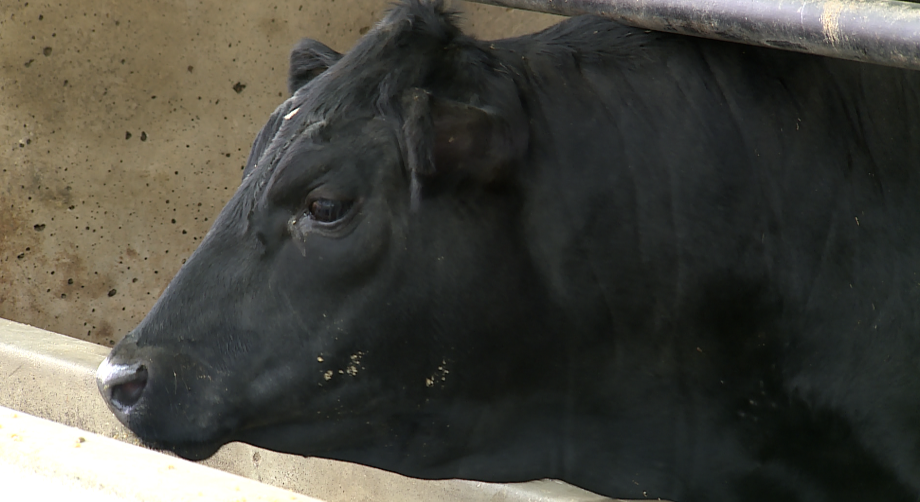
“Until President Trump took office, America’s ranchers were treated as a problem with policy geared toward their eventual extinction. The consequences were devastating: a war on beef, a cattle herd at a 75-year low, and the loss of tens of thousands of family operations,” Rollins said in a statement.
Recently, the Trump administration has been under fire by American cattlemen for its handling of international imports of beef products.
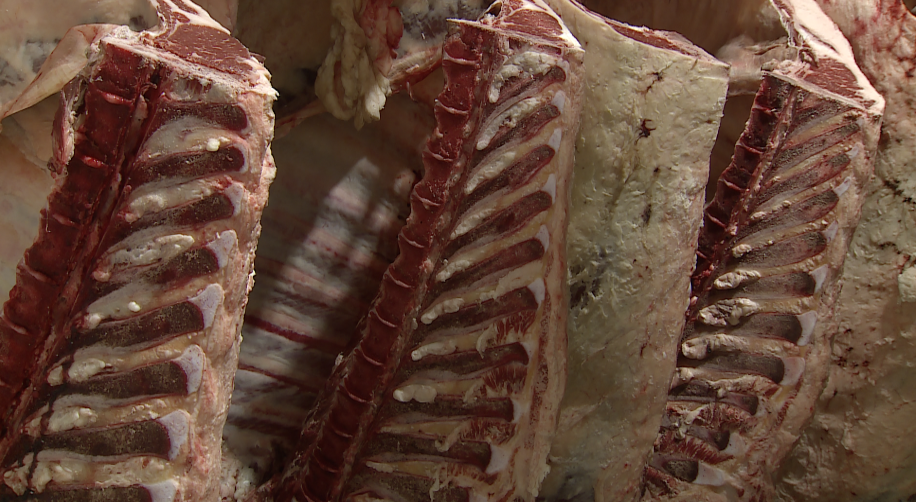
In the past two weeks, Trump posted on Truth Social that he plans to eliminate a tariff on 300,000 metric tons of ground beef imports, pledging to sell that beef at a 25% lower price.
That announcement tanked the cattle market, causing Kansas City-area ranchers to lose hundreds of dollars per head.
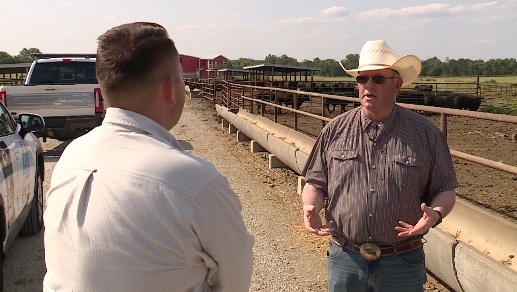
"I'm strictly against it, 100%," Bates County, Missouri, cattle rancher Jim Hertzog said last week. "The best solution is to leave the government out of everything we do and let the market correct itself."
Hertzog suggested continuing to collect tariff money and distributing those dollars to American ranchers to retain some heifers back in their herds.
"That's how you build the herd and help the American cattlemen," Hertzog said.

In the Ranchers First Initiative, the USDA is launching new tools to support heifer retention through the new Beef Retention and National Development (BRAND) endorsement for Livestock Risk Protection (LRP), which will allow producers to insure the economic value of retaining a heifer for breeding over a two-year period.
It would essentially create some insurance to protect the farmer if they choose to retain a heifer. It will protect the ranchers financially if they choose to keep a heifer for breeding instead of selling her. The goal is to reduce the financial risk of rebuilding the nation's cow herd.

The USDA will also allow producers to use the Emergency Conservation Program (ECP) on Grassland Conservation Reserve Program (CRP) acres to speed recovery after wildfires and other natural disasters. This aims to provide ranchers the ability to rebuild critical grazing infrastructure quickly and minimize long-term loss from disaster events.
Additionally, the USDA is pushing to revitalize local meat processing.

On Friday, President Trump made another announcement on Truth Social. This time, he vowed to break up the corporate monopolies controlling the meatpacking industry.
"Ranchers and Farmers have always been a number one priority for me. They work very hard, are smart, efficient, and immaculately CLEAN, but for years I have heard that they have had a tremendous problem with the Big Processors, who many say are a nasty Monopoly. There are, essentially, 4 of them, a very non competitive number, and they make life miserable for our wonderful Farmers and Ranchers, and I can’t let that happen, can I?" Trump wrote on social media. "So, in order to break this powerful monopoly, with much of its ownership based outside of the U.S., I am authorizing legal documents to be drawn in order to allow Farmers and Ranchers to be given the right to PROCESS THEIR OWN FOOD. This should move quickly. Thank you for your attention to this matter!"
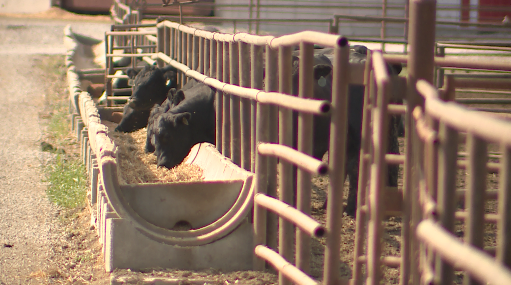
Since that statement, the Ranchers First Initiative is the administration's first attempt to strengthen local processing. Using a variety of loan programs, the goal is to support regional processing, including establishing processor co-ops, expanding small business footprints, and increasing the variety of animal proteins being processed.
The USDA is also planning to establish a Regional Processor Continuity Effort to strengthen regional processing capacity and improve business resilience across the agricultural supply chain.
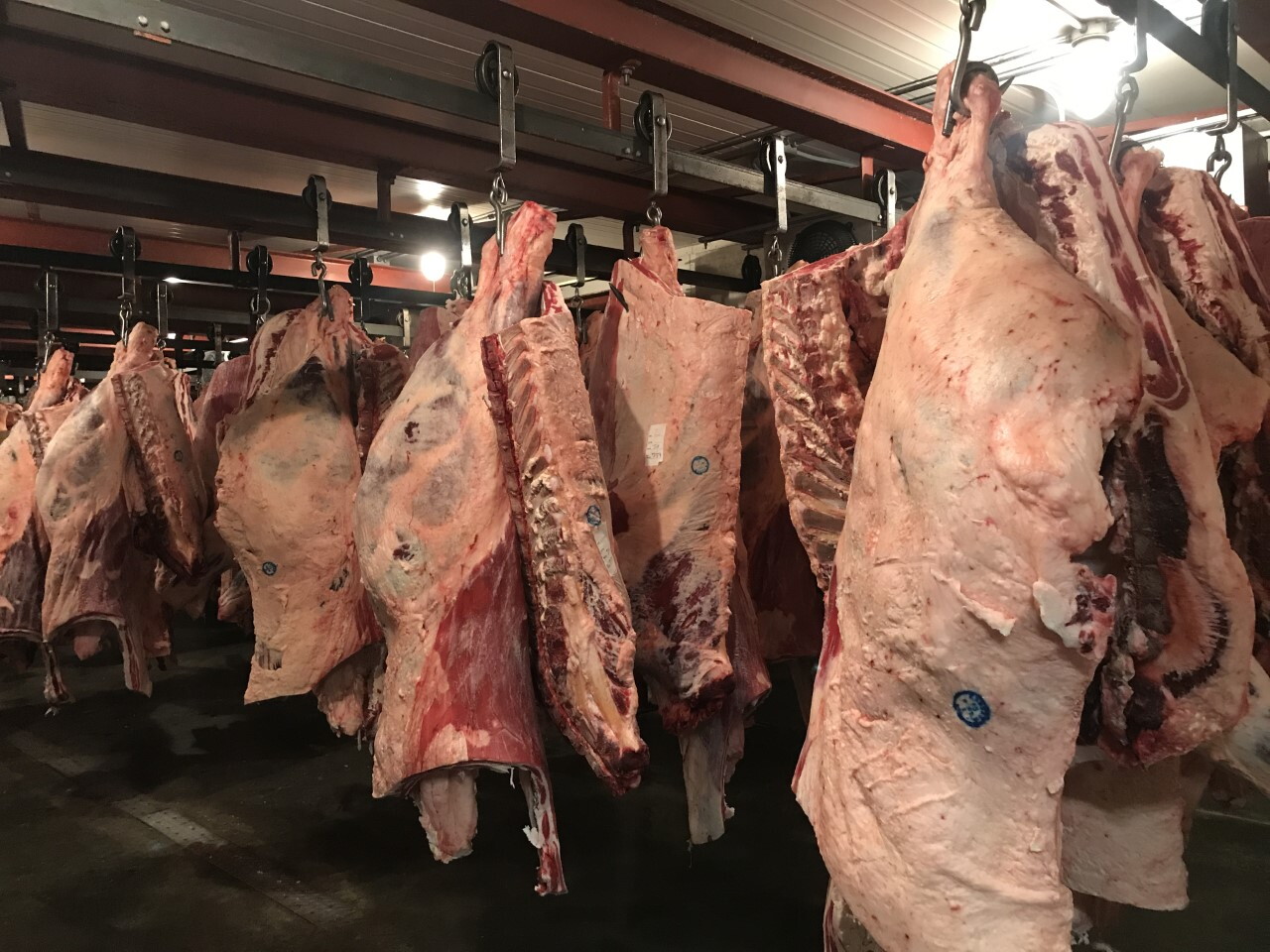
According to a press release on recent processing closure announcements, nearly 20% of beef processing capacity will be available as the herd grows. This provides an opportunity to shift capacity toward American-owned, independent, small, mid-size, and new co-ops to keep the critical meat supply out of foreign control.
Kansas Sen. Roger Marshall, a Republican, signed a letter Tuesday encouraging the USDA to increase cattle grazing infrastructure.
"The Federal government must remain laser-focused on partnering with the industry and state efforts for ranchers, expand grazing on public and private lands, and improve protein processing capacity," the letter said in part.
Per the USDA's Ranchers First Initiative announcement, the Trump administration is prioritizing American-grown beef in federal spending — in hospitals, prisons and related spending.

"By strengthening locally processed domestic sourcing requirements, USDA aims to bolster demand for American‑raised beef, support U.S. ranchers, and reinforce integrity and transparency within federal food purchasing programs," the press release stated.
Finally, the USDA plans to expand technical and financial support for new farmers and ranchers, including tax-related assistance, loans for land and equipment, livestock insurance, and conservation support during their first 10 years in business. There is also an effort supporting military service members in the agriculture industry in the new initiative.

“President Trump promised to put the American ranchers first, and the Ranchers First Initiative delivers on that promise," Rollins said. "We are investing real dollars to rebuild the Great American Beef Herd, giving producers the risk management tools they need, cutting the red tape that has squeezed small and independent operators, and demanding transparency in a marketplace that has been consolidated and foreign-owned for far too long. President Trump will make certain the men and women who raise our cattle can hand their operations to the next generation, and that American families can put safe, high-quality, American-raised beef on the table.”
Kansas Farmers Union also issued a statement to KSHB 41 regarding the new initiative, claiming the new plan doesn't provide clarity or certainty for ranchers or consumers.
"While we welcome any plan that works toward rebuilding the U.S. cattle herd, the lack of details in what is being proposed by the administration doesn’t provide any clarity or certainty for ranchers or consumers," Kansas Farmers Union said in a statment. "The price of beef cattle lately has been helpful to many ranchers, but paired with rising input costs and inflation, it is becoming increasingly difficult for those ranchers to make much of a profit. Serious efforts need to be made to address these concerns.”
—