KANSAS CITY, Mo. — KSHB 41 reporter Claire Bradshaw covers eastern Jackson County, including Blue Springs and Grain Valley. Share your story idea with Claire.
—
The first Sunday in November signals that it is time to fall back, marking the end of Daylight Saving Time until March.
For some, the end of Daylight Saving Time came with a silver lining.

"Well, it's nice to have one extra hour of sleep," Prairie Village resident Sarah Hoppa said.
With the change, daylight now comes earlier in the day, as we no longer have to "save" it for the evening.

"I don't even see the reasoning we have it currently," Olathe resident Chris Linnick said.
DST dates back to World War I as a way to save energy, but modern-day supporters say it keeps people's schedules lined up with daylight availability.
Still, it was hard to find anyone truly in favor of it on the Country Club Plaza Sunday.
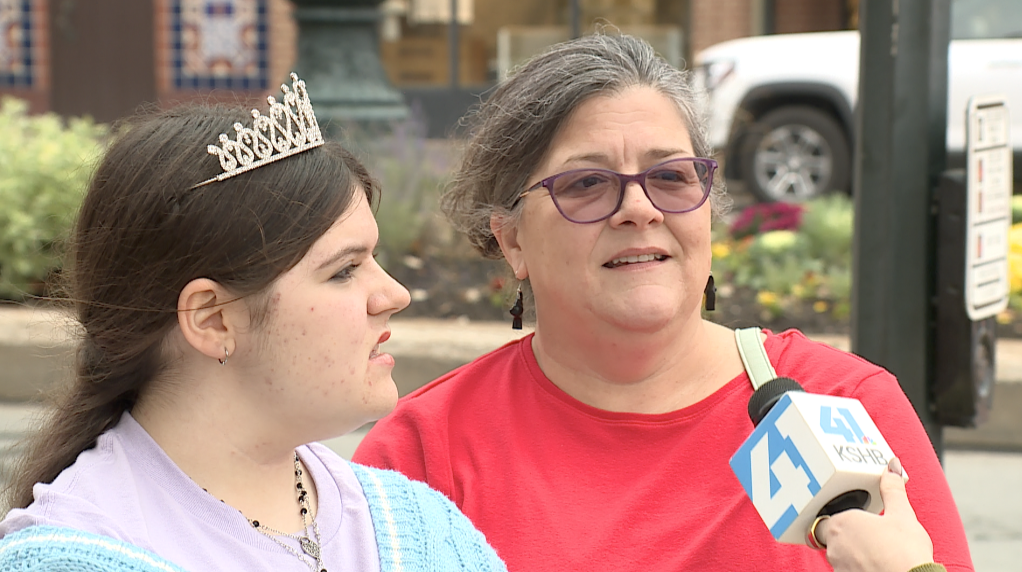
"The sun's gonna rise when it's gonna rise. We're the ones who put this whole clock and this whole thing around it, so that's how we see it," said Sherri Perkins, who was visiting Kansas City with her daughter Maci.
Making DST permanent means no more scheduled clock changes. Daylight in the winter would come later in the morning but stay lighter into the evening.

"It just makes everything easier. It makes everybody's clock, their biological clock, it makes our business clock... It's the way things should be," Kansas City resident Louis Gonzalez said. "We're driving home in the dark. It's not safe for the children. It's not a great working thing, and it screws our clocks out."
Kansas and Missouri have both made recent attempts to go permanent. Kansas's last try failed in 2025. Missouri's House of Representatives passed a trigger bill in April 2026 for DST to be permanent, but the bill cannot go into effect without congressional approval.
In July, a bill called the Sunshine Protection Act passed the U.S. House of Representatives with support from President Donald Trump. However, it stalled in the Senate before it could make a difference this November.
The Sunshine Protection Act will expire in early January 2027 if Congress doesn't approve it before the new class of lawmakers from Tuesday's midterms take office.
For now, be prepared to move clocks forward an hour on March 14, 2027.
This story was reported on-air by a journalist and has been converted to this platform with the assistance of AI. Our editorial team verifies all reporting on all platforms for fairness and accuracy.
—