

KANSAS CITY, Mo. — KSHB 41 reporter La’Nita Brooks covers stories in Kansas City, Missouri, and stories offering solutions on crime. Share your story idea with La’Nita.
A major I-70 closure expected to begin in January is raising concerns among business owners and community leaders in Kansas City's Historic Northeast, who worry increased traffic could affect local businesses and put additional strain on neighborhood streets.
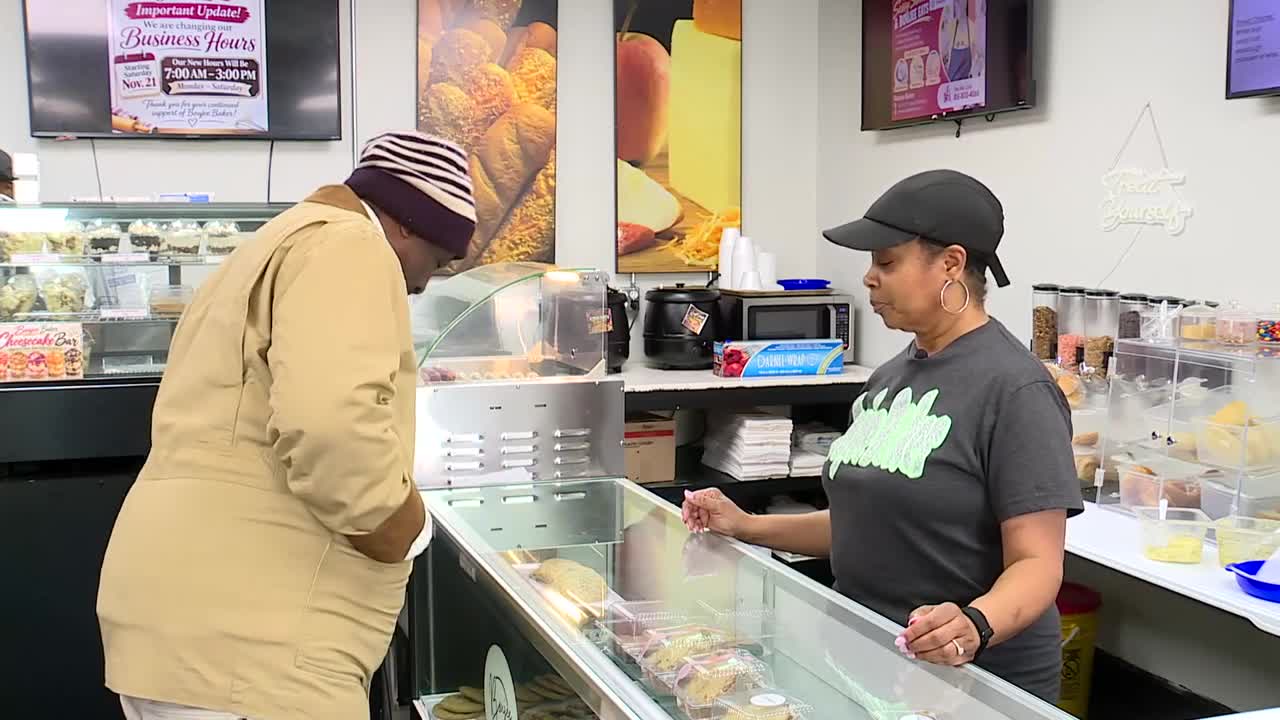
For Joyce Watts, owner of the Boujee Baker, the closure could bring both opportunities and challenges.
Watts says business has been good, and she's hoping the changes to traffic patterns could introduce more people to her bakery.
How much longer will the I-70 closure make your commute?
"We've become very, very busy. So, traffic is normally like in and out," Watts said.
She hopes drivers looking for alternate routes will discover businesses in the neighborhood and become new customers. But she's also concerned that regular customers who travel from outside the area may decide to avoid the drive.
"I'm hoping that they can still get here and they just don't pass us by," Watts said. "A lot of people do come from a little further out like Independence or Raymore. I had someone in from Raymore today. So, I'm hoping they don't just decide not to come because it's too busy."
While some businesses hope to benefit from additional exposure, community leaders are concerned about how surrounding streets will handle the increased traffic.
Bobbi Baker-Hughes, president and CEO of the Historic Northeast Chamber of Commerce, says drivers will likely find alternate routes through neighborhood streets, potentially creating congestion in areas not designed for that volume of traffic.
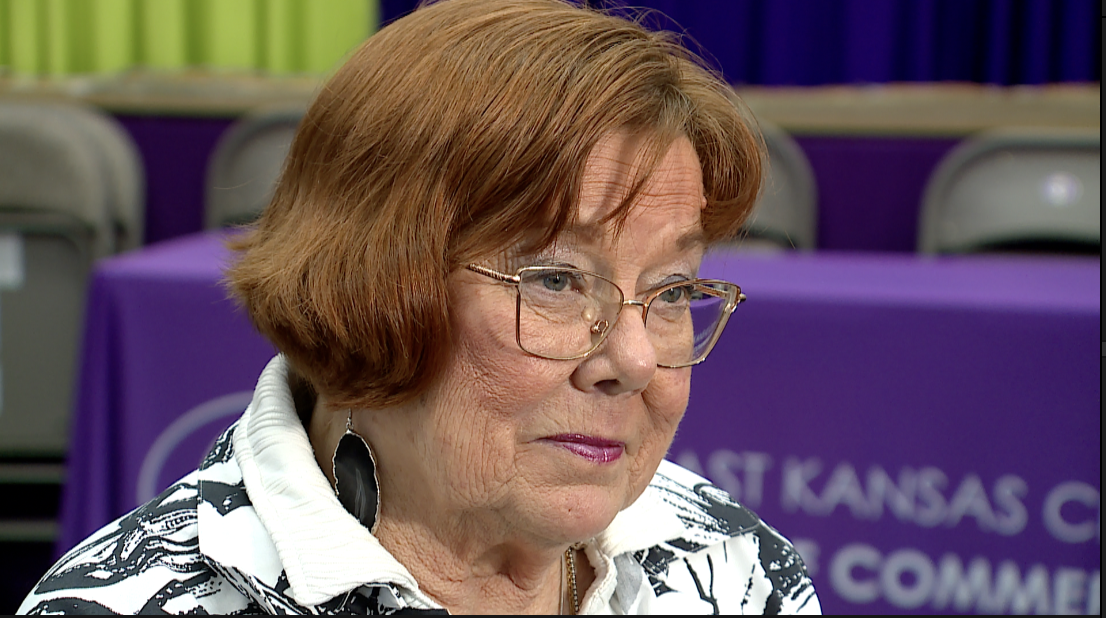
"Like water, they'll find a way to get around. That's a big concern," Baker-Hughes said.
She says Independence Avenue typically sees between 10,000 and 15,000 vehicles a day. That number could increase significantly as drivers look for alternate routes around the I-70 closure.
Baker-Hughes also points to Truman Road and smaller neighborhood corridors, including Ninth Street, 12th Street and St. John's Avenue, as areas that could see additional traffic. She is also questioning how the city plans to address additional wear and tear on neighborhood infrastructure.
"The excessive amount of traffic that we're going to be getting, what are we planning for repairs, for maintenance? What happens when there is a water break? How do we pay for curbs and bigger and more potholes?" she said.
Baker-Hughes worries commuters who normally travel through the area may choose to shop elsewhere rather than stop at neighborhood businesses. Some could take alternate routes north of the river, potentially costing local businesses customers.
Truman Rosad is another area of concern, particularly when it comes to the possibility of increased commercial truck traffic. The city announced that the bike lanes on Truman Road will be removed during the closure.
Mike Spady, director of operations for the Independence Avenue Community Improvement District, says neighborhood streets aren't built to withstand the same heavy traffic as interstate highways.
Spady says much of the underground infrastructure in the area is around 100 years old, raising additional concerns about how it will hold up, especially during winter weather.
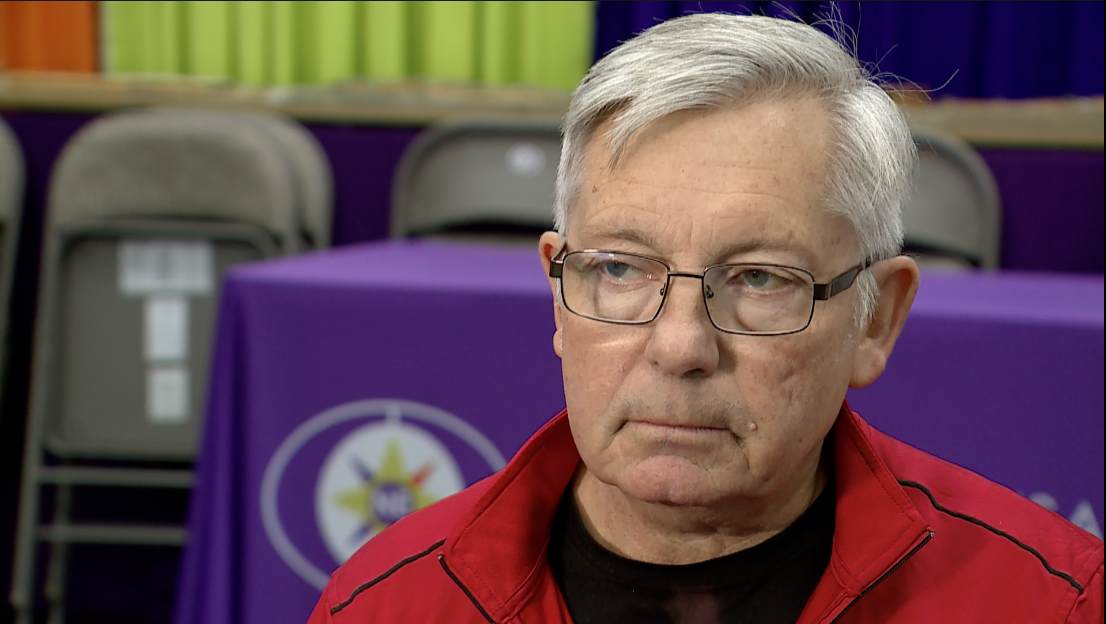
"The streets are not designed to support an increase of 100,000-pound semi-trucks rolling on the roads. They're not built like freeways are built," Spady said. "There's going to be significant damage to the streets before, during and after."
As the closure approaches, business owners and community leaders say they want more communication and coordination from city officials about how traffic will be managed and how neighborhood infrastructure will be protected.
For businesses like Boujee Baker, the hope is that drivers will continue making their way into the Historic Northeast rather than avoiding the area altogether.
—