




KANSAS CITY, Mo. — KSHB 41 reporter Grant Stephens covers downtown Kansas City, Missouri. He also focuses on stories of consumer interest. Share your story idea with Grant.
—
The Kansas City Land Bank is changing how it operates as the city works to address its housing shortage.
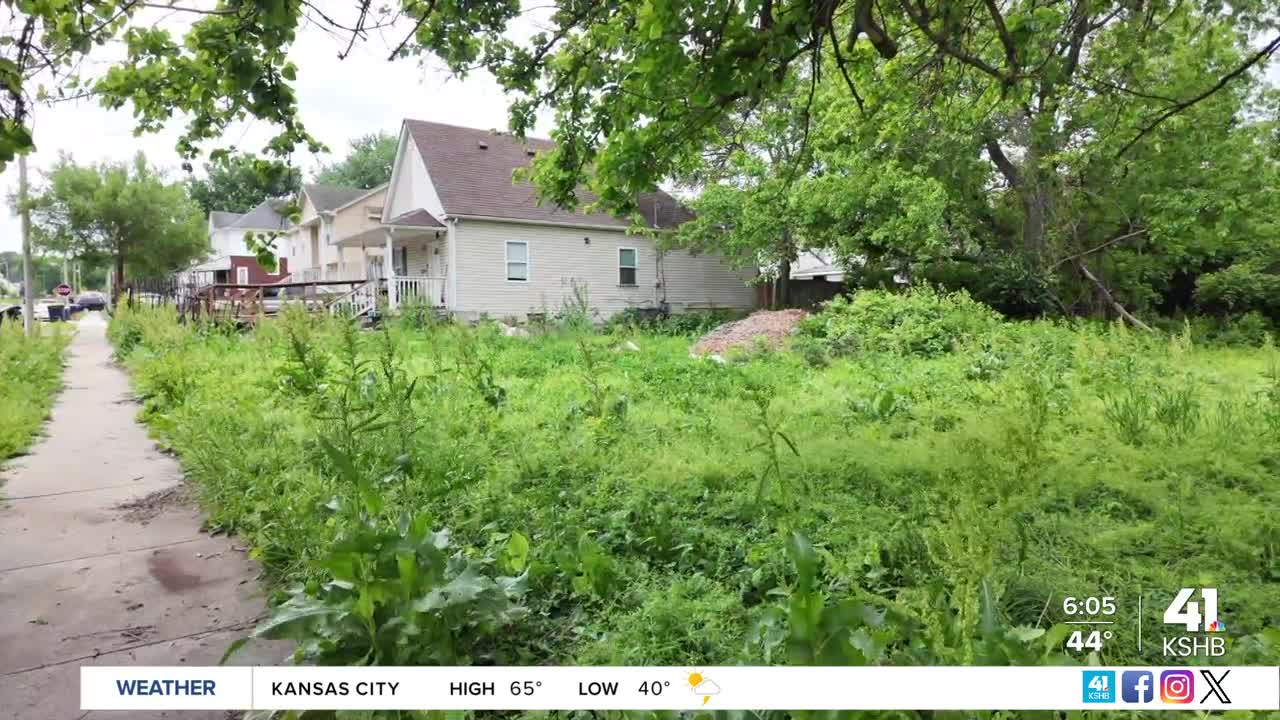
The Land Bank, which manages some of the city's vacant and abandoned properties, outlined a new plan Wednesday centered on redeveloping vacant land and remediating environmental concerns.
The organization was originally created to sell and rehabilitate homes, but with only a few dozen houses left in its inventory, officials say that model no longer works.
Executive Director Gunnar Hand said the focus is now shifting to assessing the vacant lots in the Land Bank's inventory, conducting environmental cleanup where needed, and exploring funding options to make new home construction more affordable.

“What we were initially trying to do was sell and rehab houses," he said. "Fast forward to 2026, we only have 48 houses in our 3,500 unit inventory, parcel inventory, so our policies don't address what our actual issue is."
Land Bank leadership said the changes will mean taking direct ownership of property upkeep and environmental testing, all with the goal of making more land ready for affordable housing.
It's a big deal to people who live in the neighborhoods with Land Bank property, like Kathryn Persley.

"I drive by blocks that used to be a house on every lot, and every lot is vacant," said Persley, with the Dunbar Neighborhood Association. "We know now that the houses were just pushed over and covered up with dirt. So in addition to just it being Land Bank lots, we know there's some environmental issues that need to be addressed, but there's a lot of potential.”
RELATED | Advocates say KC Land Bank could help address growing affordable housing shortage
Many of the lots may require expensive cleanup of old home debris buried decades ago on parcels where there used to be a home. It's why Hand says KC Land Bank is focusing on identifying all of its properties, then focusing on cleanup.
“We'll have a very focused view on neighborhoods and what should be sold versus what should be cleaned," Hand said. "And then, I think you're going to start to see the Land Bank in collaboration with other departments and other agencies, even outside the city, working on environmental remediation. Takes what is probably negatively valued properties to zero, and if we can get it to zero, I think they're going to become a lot more marketable.”
This story was reported on-air by a journalist and has been converted to this platform with the assistance of AI. Our editorial team verifies all reporting on all platforms for fairness and accuracy.
—

![020626_KSHB_Image_NXA_Web_Standard Cube[88].jpg](https://ewscripps.brightspotcdn.com/dims4/default/0ead409/2147483647/strip/true/crop/300x225+0+13/resize/960x720!/format/webp/quality/90/?url=http%3A%2F%2Fewscripps-brightspot.s3.amazonaws.com%2F8f%2F6c%2Ffad8bd2346c5a4d4ead793017d4a%2F020626-kshb-image-nxa-web-standard-cube88.jpg)