

KANSAS CITY, Mo. — KSHB 41 News anchor Taylor Hemness reports on stories across Kansas, including a focus on consumer issues. You can contact Taylor by email.
—
As you likely know, February is American Heart Month.
So, hopefully, you're paying a little closer attention to how your ticker is ticking.
One local priest is especially thankful he's able to continue his calling this month, thanks to a new drug that was recently approved by the Food and Drug Administration.
I met with him and one of his parishioners ... who just happens to be his cardiologist.
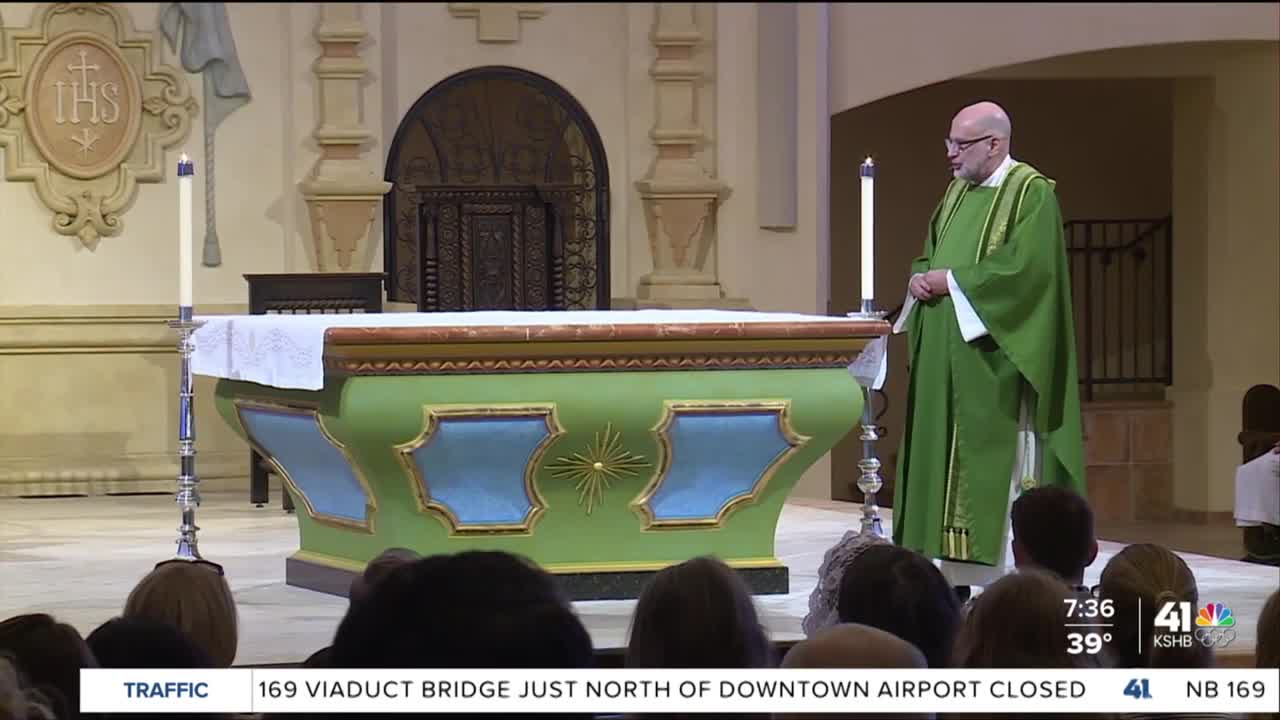
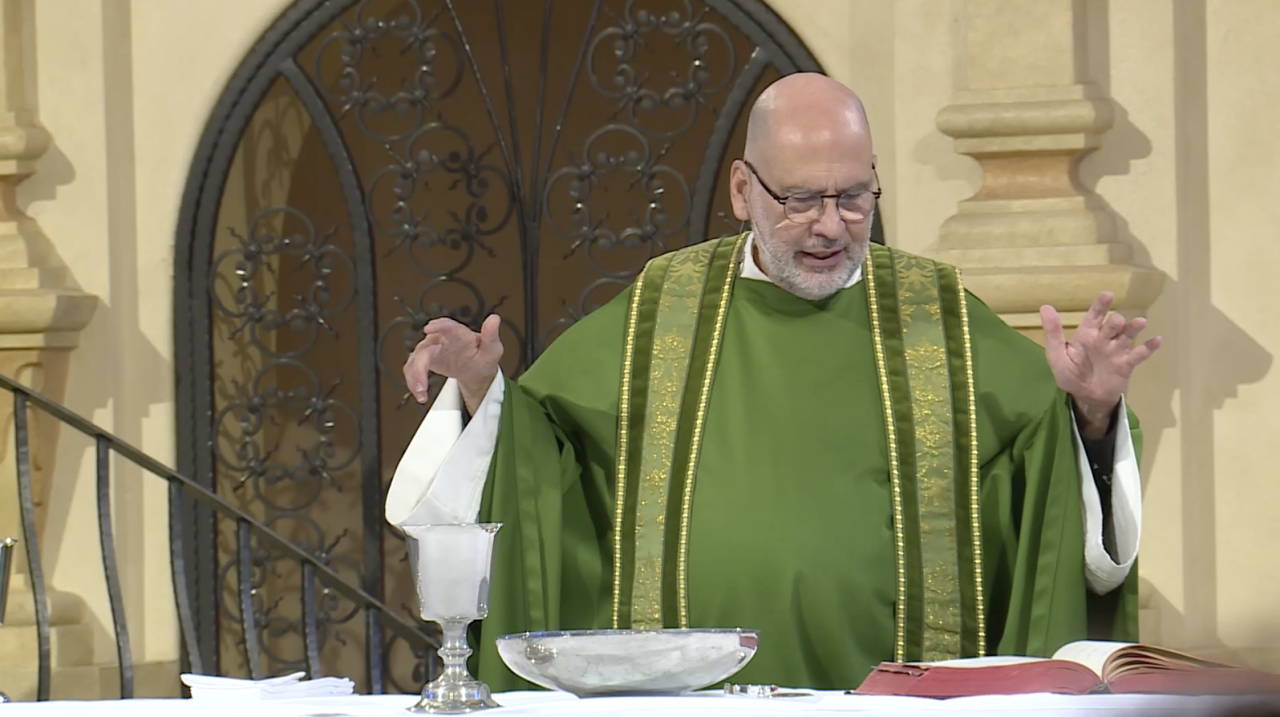
If not for his very vocal job, Father Greg Haskamp, of Visitation Parish in Kansas City, Missouri, may not have ever gone to the doctor — even as he noticed himself slowing down.
"I used to walk to my office; it was just a couple of blocks from my home,” Haskamp told me. “I couldn't get halfway there without having to stop and catch my breath.”
Haskamp described himself as a person who would "just live with it" and would typically decline medication.
But that wasn't really an option because his job was getting harder to do.
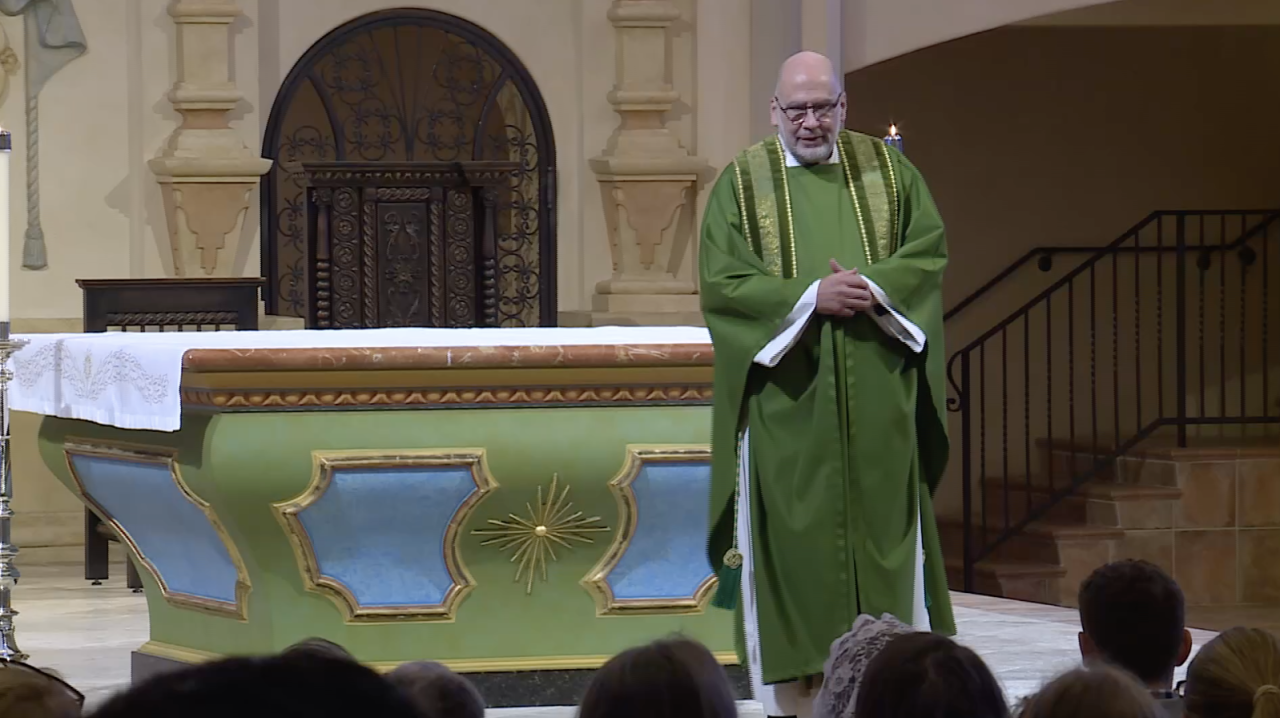
“I had learned to sing with a shallower breath,” Haskamp said. “I think I had forgotten how to take a deep breath."
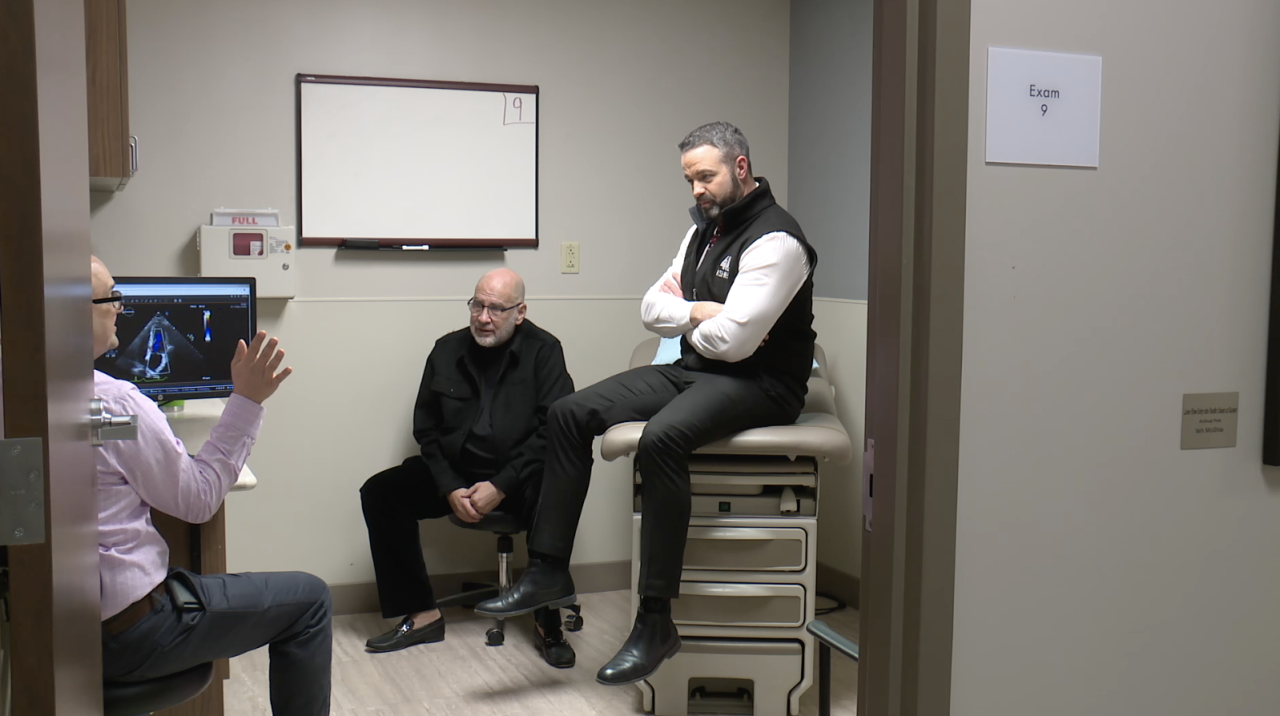
He spoke to Dr. Michael Nassif, a cardiologist at Saint Luke’s Mid America Heart Institute, who watches Father Greg do his job every Sunday morning.
I spoke to Nassif, too, who showed me some of the imaging and scans of Haskamp’s heart.
"Here's the main pumping chamber, the left ventricle; this is kind of the most important chamber, the one that's pumping blood to the body," Nassif pointed out. "This muscle should be less than one centimeter thickness, that's what we consider normal, and this was probably closer to 1.7, 1.8."
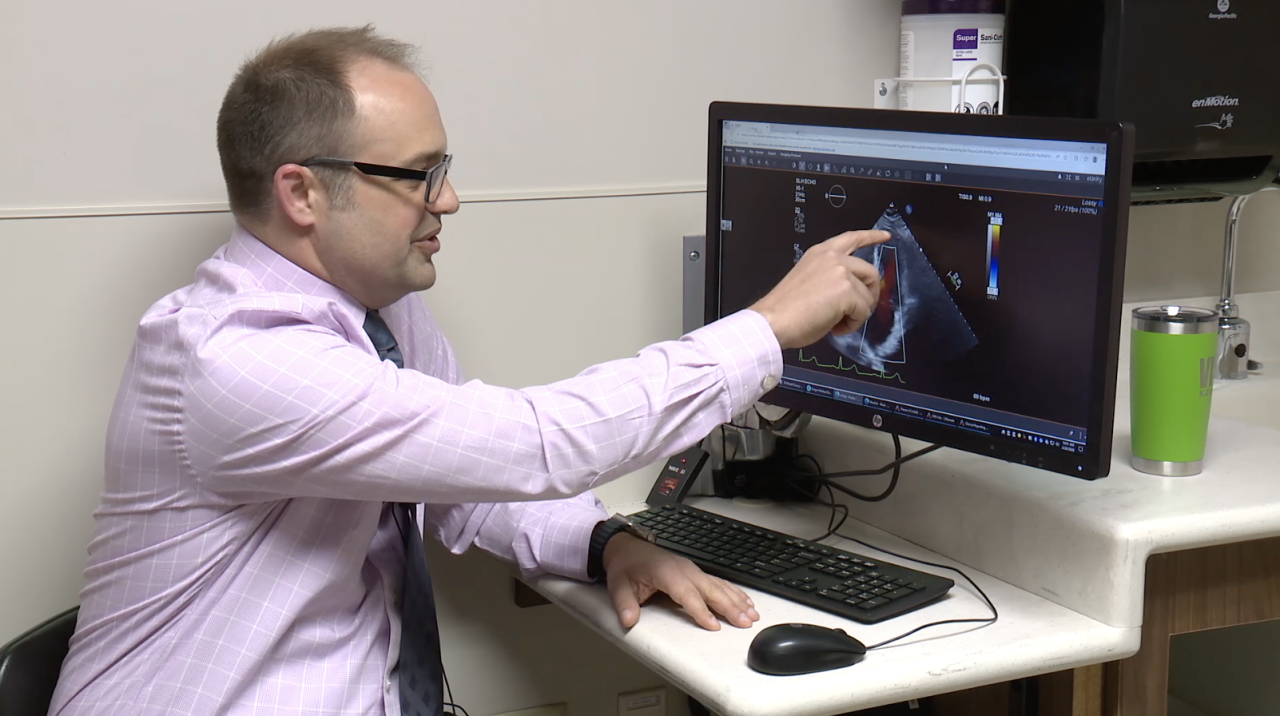
Haskamp had hypertrophic cardiomyopathy (HCM), a condition that impacts thousands of people.
The most common symptoms are shortness of breath, dizziness and, in the most serious cases, people passing out when they exert themselves.
"For years, our best therapies were either slowing the heart down. The other one was invasive surgery," Nassif said.
But not now.
Nassif got Haskamp into an experimental trial for a drug called Aficamten.
"The way your heart cells connect to each other is like hands on a rope,” Nassif explained. “And your heart cells squeeze each other, and these drugs, in a very targeted fashion, take some of these hands off the rope."

They weren't even sure if Haskamp got the drug or a placebo, but there were signs.
"I'd tell my research coordinator, 'The homilies are definitely getting longer at church,’” Nassif said with a laugh. "Father Greg carries that big Bible, I think it's 20–30 pounds; he definitely looks more spry."
Spry and thankful.
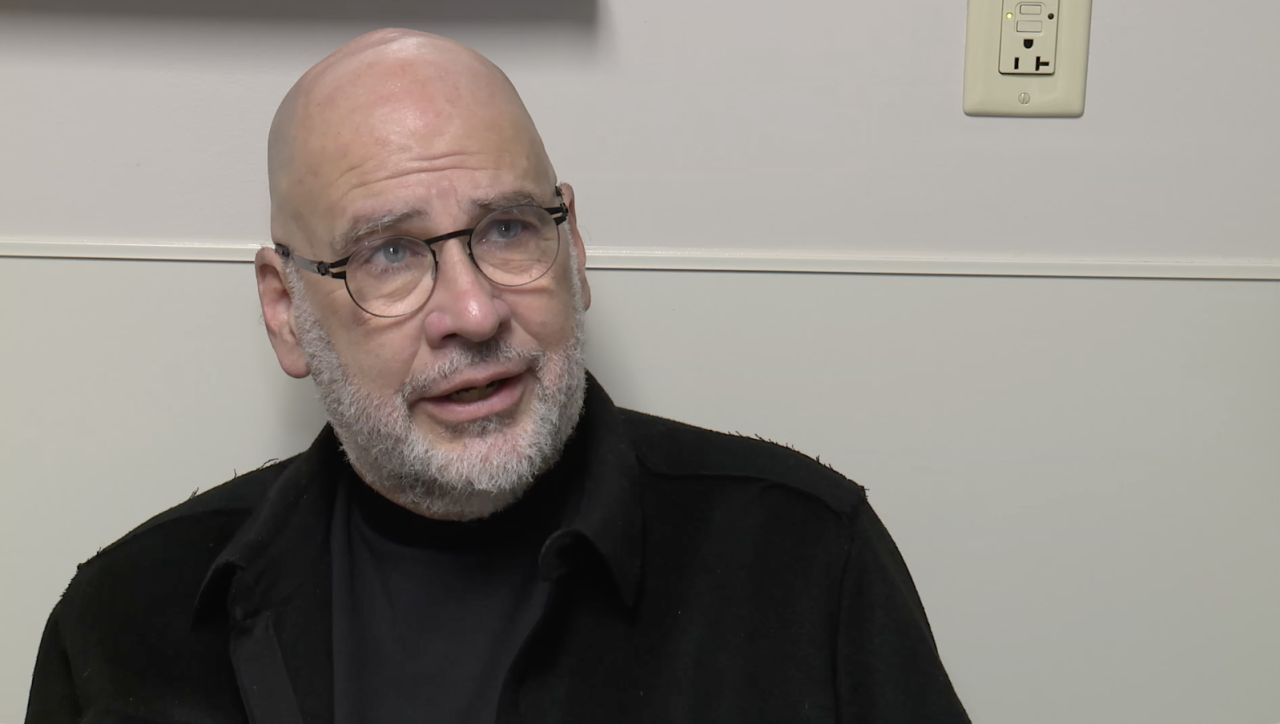
“When Jesus heals somebody today, to think Jesus is healing, or God is healing, through the great advances in medicine, the progress of science," Haskamp said.
I asked him if his homilies are now, in fact, longer.
"Maybe,” he told me. “Every once in a while, I'll throw a short one in."
Nassif says there are likely many people who have HCM and never seek treatment, just believing they're getting older or need to exercise more.
If you're experiencing shortness of breath, talk to your doctor.
Aficamten was just approved by the FDA. Father Greg will likely take this pill for the rest of his life, but he told me he's OK with that.
If you're already on multiple medications for your heart, Nassif says this new drug might be able to replace many of them.
—