

KANSAS CITY, Mo. — KSHB 41 reporter La’Nita Brooks covers stories in Kansas City, Missouri, and stories offering solutions on crime. Share your story idea with La’Nita.
—
As access to maternal healthcare declines across Missouri, Altruism Inc. is working to connect pregnant people and new families with support before, during and after childbirth.
Tonia Wright, founder and CEO of Altruism Inc., leads the maternal and infant care organization, which partners with Samuel Rodgers Health Center to help families who face barriers to quality care.
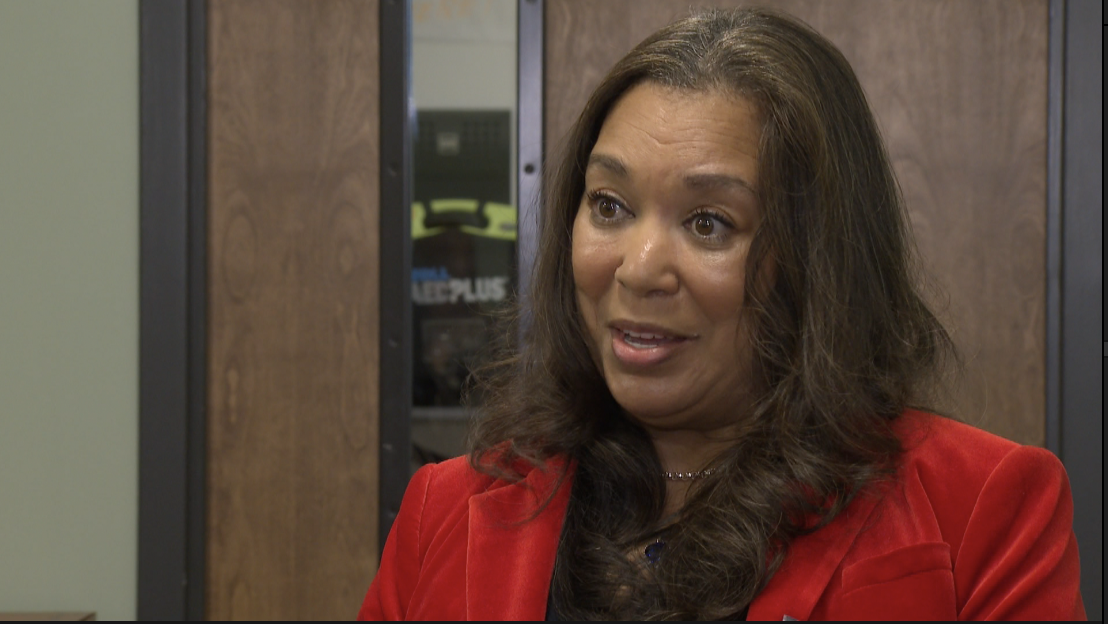
“Altruism Inc. deploys doulas, community health workers and sometimes midwives to pregnant people and birthing people who sometimes struggle with access to quality care,” Wright said.
The organization’s work comes as communities across Missouri face gaps in labor and delivery services.
Since 2010, nearly a dozen hospitals in the state have closed their labor and delivery units, according to a recent March of Dimes report.
Rural communities have been particularly affected, with some families traveling 30 minutes to an hour to reach a facility for childbirth.
Wright said those challenges can be even greater for women of color, who face persistent disparities in maternal and infant health outcomes.
“The March of Dimes recently gave Missouri a D+ when it comes to preterm birth,” Wright said. “For Black babies, that infant mortality rate is more than 11%.”
At Altruism Inc., families can receive more than childbirth support. The organization also helps connect them with resources such as food assistance, mental health services and pediatric care.
Doulas also provide ongoing support throughout pregnancy and the postpartum period.
Sa’Myah Williams, a full-spectrum doula with the organization, said her work includes multiple visits before and after delivery.
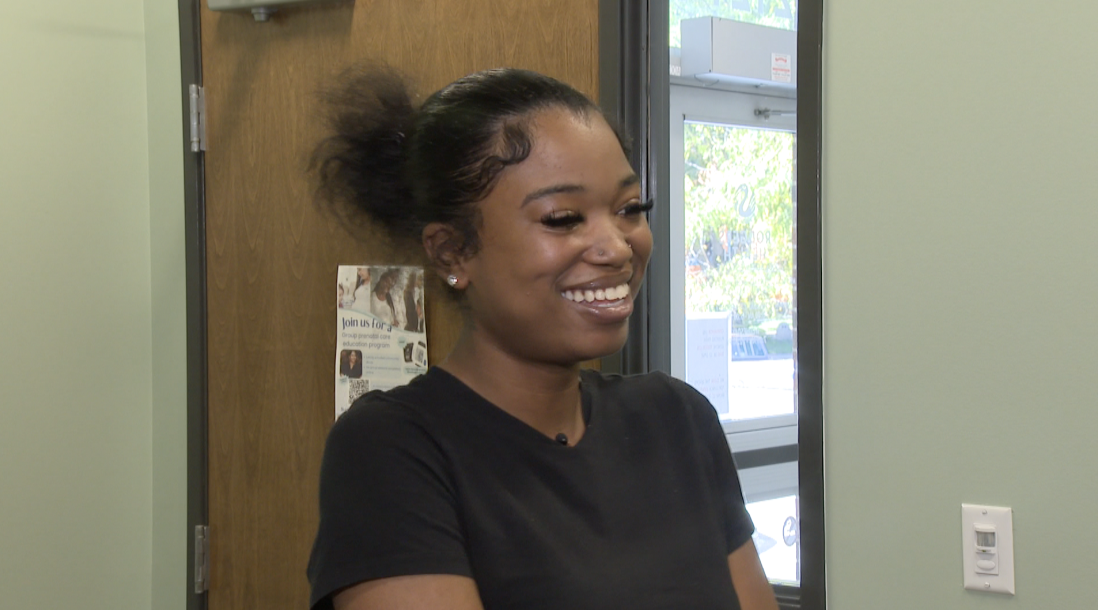
“We get three visits before birth, and then I attend the birth, and then we do three postpartum visits,” Williams said.
Doulas offer nonmedical support and guidance throughout the birthing process, helping families navigate an experience that can be more difficult when access to healthcare is limited.
Wright said that support can have a meaningful impact on maternal health outcomes, particularly for Black families.
“When you talk about the evidence-based benefits of doulas, that Black maternal mortality rate decreases in spades,” Wright said. “But we can say that they’re actually saving lives.”
—