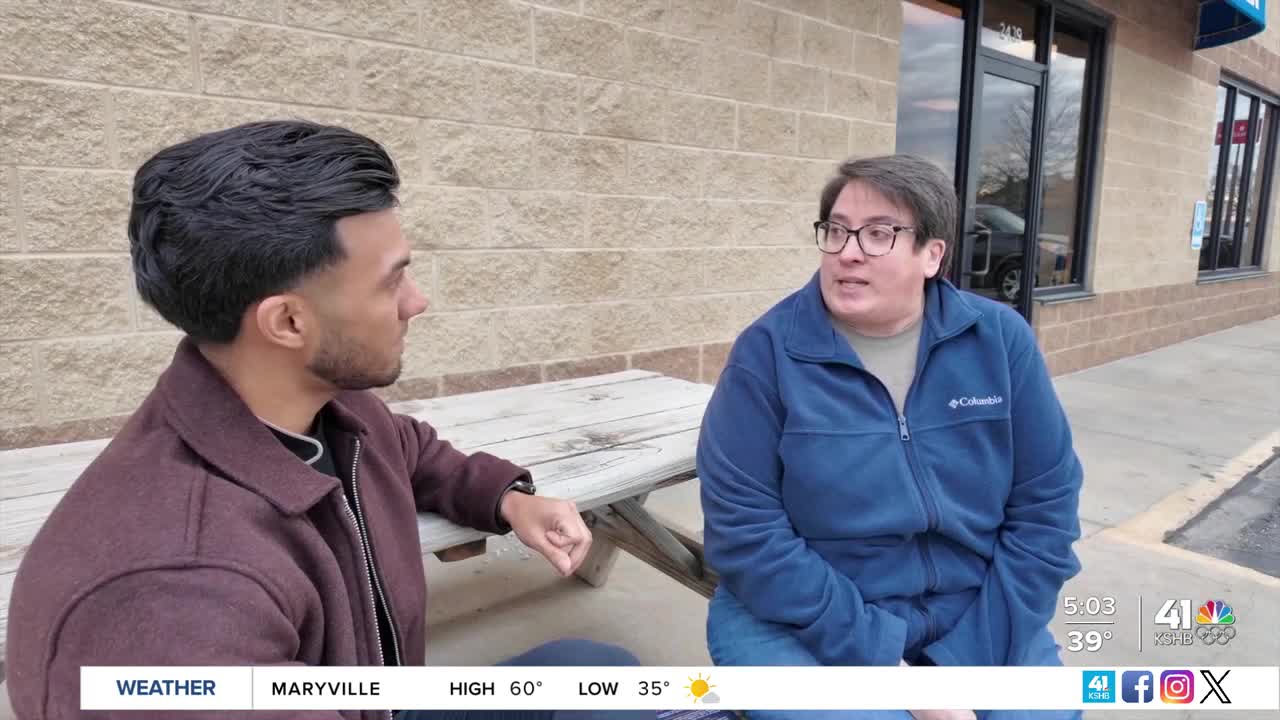


PLATTE CITY, Mo — KSHB 41 reporter Marlon Martinez covers Platte and Clay counties in Missouri. Marlon hads been covering this story for months. Share your story idea with Marlon.
—
A Missouri lawmaker is pushing to increase fines for drivers who illegally pass stopped school buses, a change that could move the state from one of the most lenient in the country to somewhere in the middle.
Under current Missouri law, drivers who pass a stopped school bus face a fine of $130.50. House Bill 2742 would make the fine a mandatory $500.
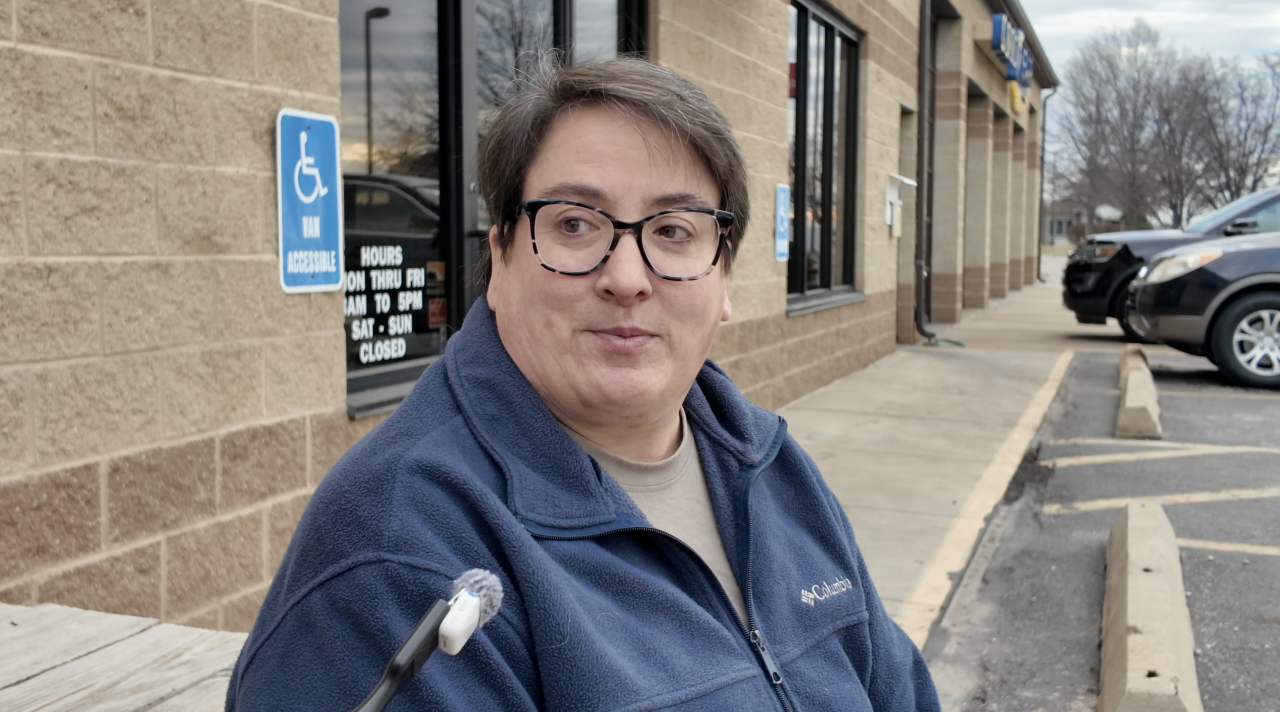
Leslie Kenney, a Platte City resident, said the current penalty is not steep enough.
"I think that that's not enough," Kenney said.
Kenney said she supports raising the cost.
"I think that the $500 is going to get people's attention a little bit more," Kenney said.
I have reported on this issue for months, showing video of drivers speeding past stopped school buses and ignoring flashing red lights and extended stop-arms.

At $130.50, Missouri currently sits near the lower end of fines nationally. If the proposed $500 fine is enacted, Missouri would rank in the middle compared to other states.
Among the states with the harshest first-offense fines.
- Indiana leads with fines up to $10,000.
- Oregon and Alaska both carry fines up to $2,000.
On the more lenient end.
- Wisconsin fines range from $30 to $300
North Dakota and Kentucky both carry fines of roughly $100 to $200.

In neighboring Kansas, the first-offense fine is set at up to $315, placing that state in the middle among others.
Kenney said she believes Missouri is moving in the right direction, but has room to grow.
"I believe that they are playing catch up, but I think that they're headed in the right direction," Kenney said.
She also said distracted driving may be a factor in why drivers are ignoring school bus stop-arms.
"I think that we haven't put enough discipline to people being more aware, drivers overall, not criticizing anybody, but you know, I think we're terribly distracted by, you know, our technology," Kenney said.
The bill is still in its early stages and needs approval from both chambers before it can be sent to the governor's desk.
—