



LIBERTY, Mo. — KSHB 41 reporter Marlon Martinez covers Platte and Clay counties in Missouri. Share your story idea with Marlon.
—
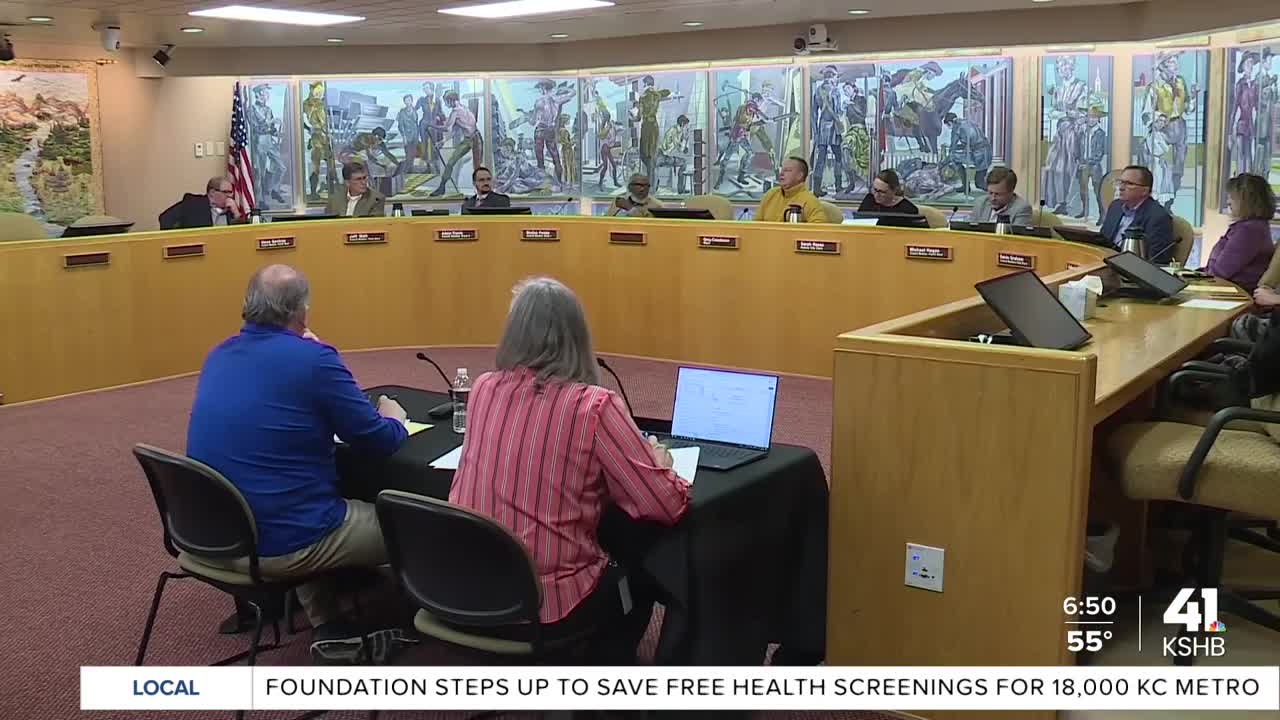
Liberty residents are voicing opposition to a newly-approved data center project, raising concerns about taxes, water and energy use. They also described a lack of transparency from city leaders.
Liberty approved $1.4 billion in bonds and more than $200 million in tax abatements over the next 25 years for a MetroBloks data center development near Old Hughes Road.
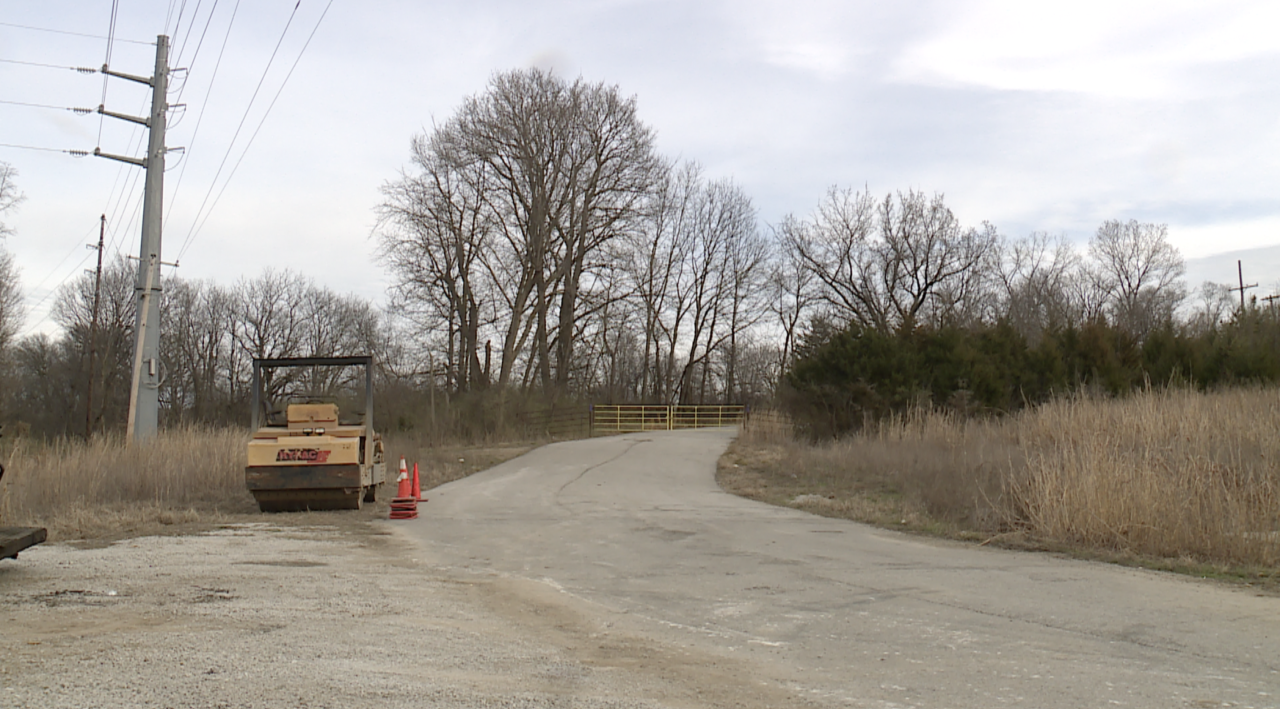
City leaders say the development could help position Liberty for long-term economic growth, but some residents question whether the community will actually benefit.

Carrie Lonsdale moved to this part of Liberty more than 20 years ago for its quiet, small-town feel — a feel she says is now changing.
"I grew up in 40 acres in Springfield, Missouri. We had cows, and so I liked the small town," Lonsdale said.
She is now pushing back against the project and the process that led to its approval.

"They're going to take 30 acres of our land," Lonsdale said. "They're going to have 25 years of not paying all the taxes that they should, and limited, if any, jobs will go to Liberty residents. So what in turn are they bringing to our community?"
Lonsdale also raised concerns about the data center's potential impact on water and energy use.
In a statement to KSHB 41, City Administrator Curt Wenson said:
"Because it will not be a high demand water customer, the building will have the same size water line as other commercial properties. This automatically limits the amount of water that can flow to the facility. Because staff recognized that data center water consumption is a concern, we imposed two other safeguards. The first is water usage limits that if exceeded limit will result in higher rates for the customer. In addition, if the customer exceeds a maximum threshold, the Utilities Department will reduce water flow to the property.
As for electrical consumption, Evergy has stated that the demand from this project will not cause increased rates. Data centers are required to pay 100% of all direct costs for service to and upgrades needed for their facilities. Additionally, if this project grows to use 75MW of electricity, the data center tenant will be assessed a Large Load Power Service tariff.
Transparency / Process
We encourage people to engage with government processes, that's why we go beyond the legal requirements for meeting notifications and share City Council agendas online, through social media and e-newsletters. The online agendas include documents related to items that come before the City Council.
Before an application even makes it onto a City Council agenda, it goes through an internal review process that considers a variety of factors including zoning, utility impacts and City Codes. Under current Liberty code, data centers are classified similarly to other industrial buildings. As this project was proposed for an industrial zoning district, it was processed as an industrial development. The buildings will be consistent with nearby buildings, such as the Amazon and Walgreens fulfillment centers, although each data center building is much smaller than other nearby industrial buildings.
When it comes to contract negotiations, State law allows staff and City Council to meet in closed sessions to discuss proposed agreements. That information becomes public when it goes before the Council for consideration.
For Lonsdale, those answers fall short.
"The mayor and the city council members are not engineers. They are regurgitating information that the data centers want them to hear," Lonsdale said.
She said she plans to keep fighting for the community she calls home.
"We need to stand up… A multi-billion dollar business that can't pay their way, paying their taxes that we need as a community," she said. "The mayor and city council have thought that it's okay to give all of our money away, and one of the main ways that we make money is through taxes."
MetroBloks has not responded to a request for comment regarding resident concerns about utility usage and employment.
—

![092126_KSHB_WX_480x360[61].jpg](https://ewscripps.brightspotcdn.com/dims4/default/79e7fad/2147483647/strip/true/crop/480x360+0+0/resize/960x720!/format/webp/quality/90/?url=http%3A%2F%2Fewscripps-brightspot.s3.amazonaws.com%2F6f%2F6d%2Fa3758caf4c0984b0ecf100f620d1%2F092126-kshb-wx-480x36061.jpg)