



KANSAS CITY, Mo. — KSHB 41 reporter La’Nita Brooks covers stories providing solutions and offering discussions on topics of crime and violence. She also covers stories in the Northland. Share your story idea with La’Nita.
—
If approved, a new Kansas City, Missouri, ordinance would ban certain single-bottle alcohol sales in specific neighborhoods to address the link between crime and alcohol use.
The ordinance would ban certain stores from selling half pints, minis and airplane bottles of hard liquor, as well as malt beverages sold in 40-ounce containers. However, it wouldn't apply to grocery stores.
The ban would apply to specific communities, including Midtown and the Prospect Avenue and Independence Avenue corridors. City leaders point to the concentration of liquor stores in some neighborhoods as a contributing factor to street-level problems.

“You panhandle for an hour, you get some money for some liquor, you get your bottle, you drink, you stay there — you have people who are staying there all day. That is the problem,” Mayor Quinton Lucas said.
While city officials argue the ban will improve safety, local business owners say it will negatively impact the economy.
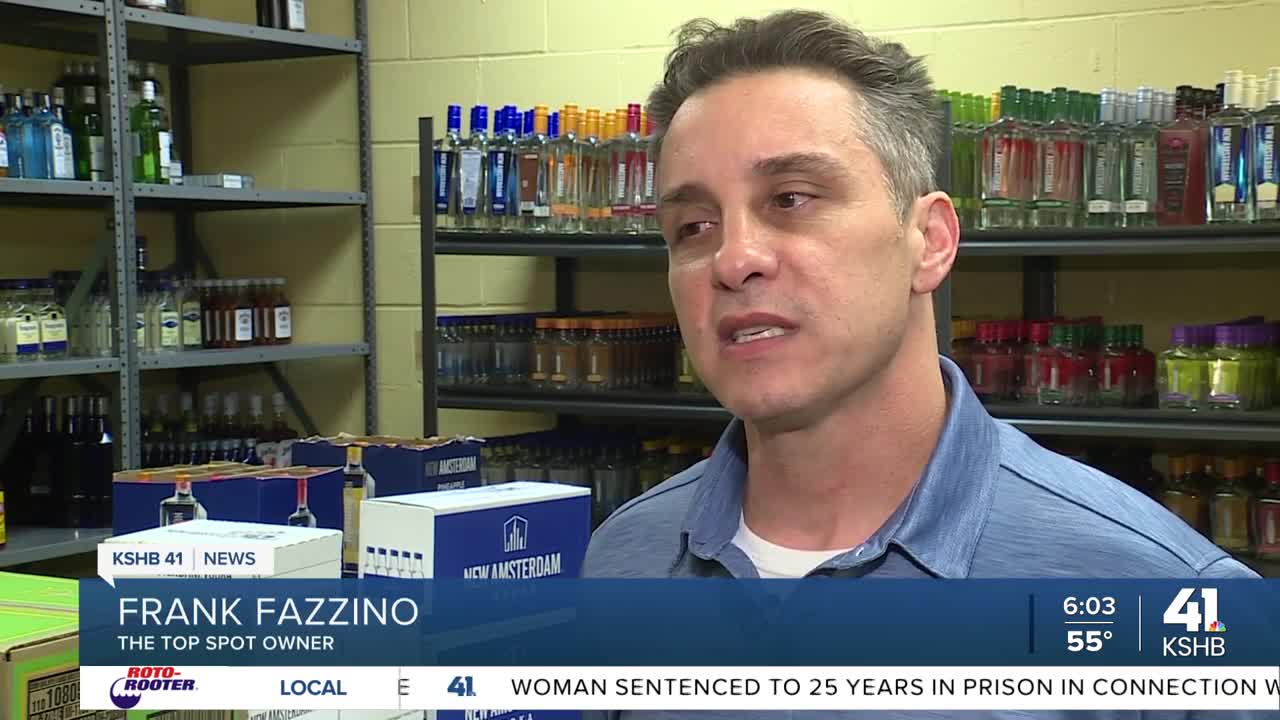
Frank Fazzino, who owns Top Spot on East 27th Street and Brooklyn Avenue, said nearly half of his business’ profit comes from single-serve sales.
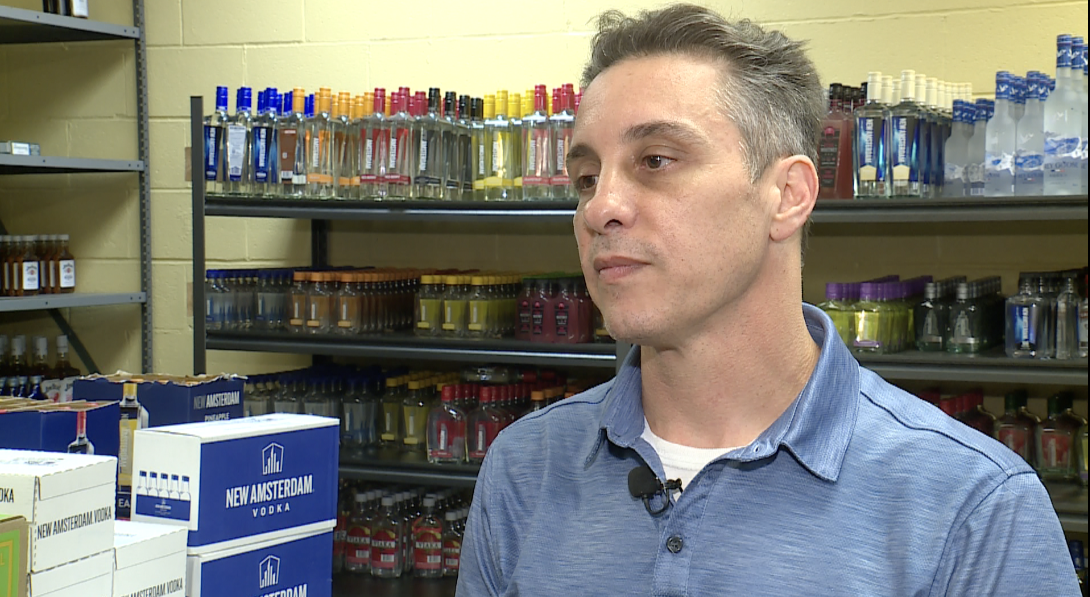
“It would be devastating to us,” Fazzino said. “The big part of this issue I have with the city is they’re not doing this citywide. They’re picking and choosing neighborhoods where they want to do this, and well, it's putting us on an uneven playing field."
Fazzino said it will also impact the local economy. He claimed if his store loses business, he would have to layoff off staff.
“I have people that I’ll have to let go. If I’m not making the money where I can afford people to work my registers and stock my shelves, hours are going to get cut,” Fazzino said.
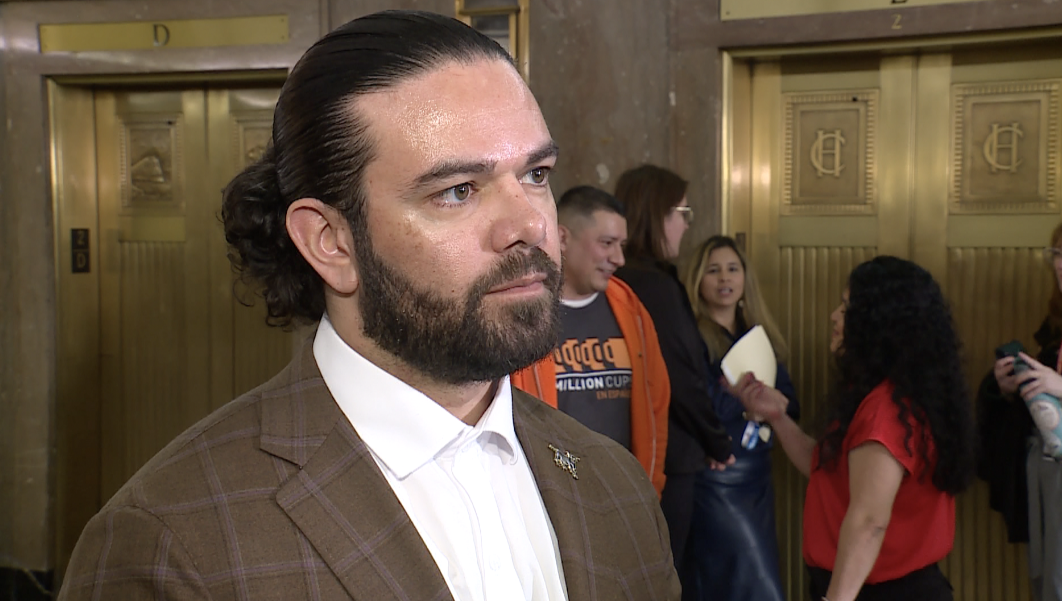
Councilmember Johnathan Duncan, 6th District, believes the potential positive economic impact on those communities outweigh the negative.
“That is an OK exchange in order to provide a better and safer neighborhood," Duncan said. "So that we can have better neighborhoods, so that we can have economic development in those neighborhoods that for a long time have been redlined in one way or another."
The ordinance will be heard by the city council on April 9.
This story was reported on-air by a journalist and has been converted to this platform with the assistance of AI. Our editorial team verifies all reporting on all platforms for fairness and accuracy.
—

![020626_KSHB_Image_NXA_Web_Standard Cube[88].jpg](https://ewscripps.brightspotcdn.com/dims4/default/0ead409/2147483647/strip/true/crop/300x225+0+13/resize/960x720!/format/webp/quality/90/?url=http%3A%2F%2Fewscripps-brightspot.s3.amazonaws.com%2F8f%2F6c%2Ffad8bd2346c5a4d4ead793017d4a%2F020626-kshb-image-nxa-web-standard-cube88.jpg)