



JOHNSON COUNTY, Kan. — KSHB 41 reporter Olivia Acree covers portions of Johnson County, Kansas, including Olathe and Lenexa. She will continue to follow up on declining enrollment and school funding as part of her ongoing series, Shifting Education. Share your story idea with Olivia.
—
Kansas law requires the state to fund 92% of special education excess costs, but the state has not met that benchmark in years. Lawmakers disagree on what the requirement even means.
Republican Rep. Megan Steele, of Pottawatomie County, said the 92% threshold applies to the state as a whole, not to individual school districts.
"That 92% isn't supposed to be applied to every single school district. It's applied to the state excess cost," Steele said.
Democratic Rep. Mari-Lynn Poskin, of Johnson County, said the legislature has still fallen short of its legal obligation.
"It is beholden on the legislators to appropriate that money according to statute, and they have failed," Poskin said.

The Kansas State Department of Education told me that both lawmakers are technically correct. The legislature should meet the 92% mark but has not. However, that is legal because of a clause in the law that makes funding subject to appropriations.
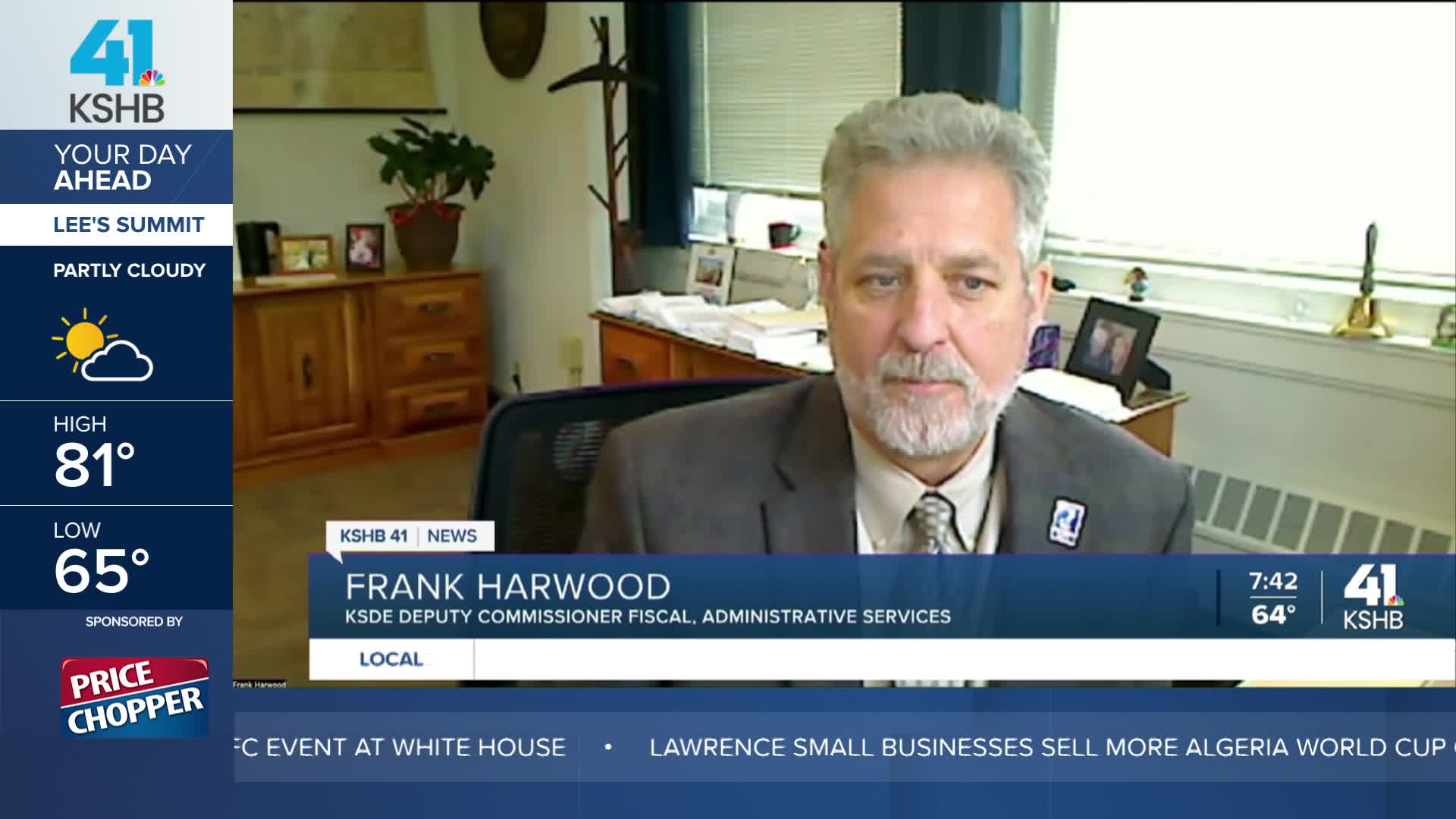
“They did not make that appropriation, which is legal because it says subject to appropriation,” said Frank Harwood, KSDE deputy commissioner for fiscal and administrative services.
KSDE reported that last year, Kansas funded about 67% of statewide special education excess costs. To reach the 92% goal, lawmakers would have needed to appropriate roughly $226 million more than they did.
School districts say the state is not providing adequate funding for a few reasons: the gap between the 67% funded and the 92% required, and the fact that the state is not required to adjust special education funding for inflation, even as the cost to provide those services continues to rise.

Harwood explained how yearly general fund increases fail to offset the shortfall.
"The 2.9% increase in the general fund, because of inflation, most of that's going to have to go to special education expenses and isn’t new general education funding to keep up with inflation," Harwood said. "So that's where districts would be talking about that. Even if we're getting an increase over here, it doesn't make up for what we didn't get an increase over here."
An education funding task force has been meeting to consider whether the current law for special education funding is fair and whether changes need to be made. Harwood said a recommendation is due in January, but no proposals have been made.
This story was reported on-air by a journalist and has been converted to this platform with the assistance of AI. Our editorial team verifies all reporting on all platforms for fairness and accuracy.
—
![020626_KSHB_Image_NXA_Web_Standard Cube[88].jpg](https://ewscripps.brightspotcdn.com/dims4/default/0ead409/2147483647/strip/true/crop/300x225+0+13/resize/960x720!/format/webp/quality/90/?url=http%3A%2F%2Fewscripps-brightspot.s3.amazonaws.com%2F8f%2F6c%2Ffad8bd2346c5a4d4ead793017d4a%2F020626-kshb-image-nxa-web-standard-cube88.jpg)